Tag: nutrition

  • Good Mood Foods

    HEALTHY EATING

    Image of couple eating dinner.

    Colder temps, darker and longer days, and the temptation to eat more and move less. Sound like your winter schedule? Boost your mood with this advice from Highmark, a health care company.

    *Focus on nutrient-rich foods.Eating “comfort foods” may help you relax and give you a mood boost, but it’s only temporary. Nutrient-rich foods like fruits, vegetables, whole grains, and lean protein foods provide a consistent and long-lasting impact on your health, mood, energy, and alertness.

    *Cut back on your fat intake.A high-fat diet can be a real brain and energy drainer. Just say “no” to deep-fried foods and look for foods that contain no more than 3 grams of fat per serving.

    *Eat moderate portion sizes and avoid large meals.Have you ever wondered why you feel tired after eating a large meal? During periods of digestion, your blood supply is directed to the digestive tract and away from the rest of the body, which causes you to slow down.

    *Eat regular meals.Skipping meals can slow your metabolic rate, and the lower your metabolism, the lower your energy level. Plan regular meals and snacks to keep your metabolic rate and blood sugar levels normal to provide your brain the best means to function and handle stress.

    *Remember balance, variety, and moderation.The best strategy for maintaining a good mood, high-energy level, and concentration is to consistently eat a wide variety of foods high in nutritional value.

    © American Institute for Preventive Medicine

  • Meatless Meals (Try It)

    HEALTHY EATING

    Image of yellow and red peppers stuffed with rice and other vegetables.

    You don’t have to become a vegetarian to enjoy a meatless meal. Try working more meatless meals into your week, suggests the Recipe Doctor, Elaine Magee, MPH, RD, author of Food Synergy.

    *  Substitute a soy “meat” product for the meat ingredient in casseroles, stews, tacos, and chili.

    *  Break out a can of beans. They make great meal replacers because they’re super satisfying, with high amounts of protein and fiber. In a nice vegetable stew bursting with beans, you might not notice the meat is missing.

    *  Try a veggie potpie featuring potatoes, peas, mushrooms, and any other vegetables with vegetarian gravy and pie crust.

    *  Make Mexican dishes (burritos, nachos, enchiladas, for example) featuring beans and veggies instead of beef and chicken.

    *  Stir-fry Chinese cuisine with veggies and tofu and serve over rice or noodles.

    *  Stuff bell peppers with a mixture of rice with spices and vegetables plus vegetarian sausage, tofu, or beans to make the dish more satisfying.

    *  Layer lasagna with veggies instead of meat. Spinach replaces ground beef.

    *  A grilled Portobello mushroom can stand in for a burger on a bun.

    © American Institute for Preventive Medicine

  • Spice Up Your Life

    HEALTHY EATING

    Image of different spices.

    If you’re cutting back on salt to control blood pressure, the Spice Islands Test Kitchen has developed 5 tips to boost flavor in food:

    *Increase the amount of herbs when reducing salt.For a great flavor punch, increase your spice and herbs by 25% when reducing or eliminating salt in a recipe.

    *Crush herbs to release all flavor.For leafy herbs such as rosemary and leaf oregano, lightly crush the herbs to bring out maximum flavor.

    *For soups and stews, reduce the salt and add spices last.For long-cooking soups and stews, reduce the salt. Save about a fourth of the spices called for and add them at the end of cooking. This will give a more intense flavor to the dish.

    *Add herbs early in no-cook meals.For salad dressings, fruit dishes, or other no-cook foods, add herbs and spices several hours before serving so flavors can develop and blend. For salad dressings, add seasonings to the vinegar and let stand before adding the oil.

    *Give dried spices a boost.If a recipe calls for fresh herbs and you have dried on hand, simply use a third to a half as much dry for fresh.

    © American Institute for Preventive Medicine
  • Wash That Lettuce

    HEALTHY EATING

    Close up image of hands washing lettuce.

    While it is important to thoroughly wash most fresh fruits and vegetables, if packaged greens are labeled “ready-to-eat,” “washed,” or “triple washed,” then the product does NOT need to be washed at home.

    Pre-washed greens have been through a cleaning process immediately before going into the bag. Re-washing and handling the greens creates opportunities for contamination.

    Always handle pre-washed greens with clean hands and make sure cutting boards, utensils, and countertops are clean, according to the Partnership for Food Safety Education.

    © American Institute for Preventive Medicine

  • Tips For A Healthier, Easier Pregnancy

    Pregnancy & Prenatal Care

    Close up image of 4 pregnant bellies.

    Healthy moms tend to have healthy babies. If you plan to become pregnant, take the following steps to help your baby get off to a good start.

    *  Have a complete medical exam, including a gynecological exam. A number of medical conditions, including obesity, high blood pressure, diabetes, smoking, alcohol use, nutritional deficiencies, and Rh negative blood factor (after the first pregnancy) can jeopardize the health of mother and child.

    *  Check with your doctor about the effects of any prescription or over-the-counter medication you take.

    *  If you have a chronic medical condition, ask your doctor how it may affect your pregnancy and whether or not you should change or adjust your medication.

    *  If you use an IUD or take birth control pills, use an alternative form of birth control for 1 to 2 months before trying to become pregnant.

    *  If you’re markedly overweight, plan to lose excess pounds before becoming pregnant.

    *  Exercise regularly.

    *  Consider genetic tests or counseling if you or your husband has a family history of genetic disorders, if you are 35 or older, or if your husband is 50 or older.

    You and your baby will do best if you follow these guidelines.

    *  Ask your doctor or a dietitian to outline a meal plan that meets the special nutritional needs created by pregnancy.

    *  Avoid caffeine, alcohol, nicotine, and illicit drugs, as they can harm you and your unborn baby.

    *  Consult your doctor before taking any medication.

    *  Ask your doctor what prenatal vitamin/mineral supplement you should take.

    *  Follow your health care provider’s advice about weight gain. The amount of weight you gain should depend on your pre-pregnancy weight and health status, as well as your ethnic background. If you are very overweight, plan to lose excess pounds before you get pregnant.

    *  Continue to exercise in moderation.

    *  Practice relaxation and other stress management techniques. (Doctors think emotional stress may constrict the blood supply to the uterus and placenta, the baby’s only source of oxygen and nutrients.)

    *  Enroll in childbirth preparation classes.

    *  If you own a cat, arrange for someone else to empty the litter box. Cat excrement can transmit a disease called toxoplasmosis. If you’re infected while pregnant, your baby may be stillborn, born prematurely, or suffer serious damage to the brain, eyes, or other parts of the body.

    A Year of Health Hints book by the American Institute for Preventive Medicine. www.HealthyLife.com. All rights reserved.

    © American Institute for Preventive Medicine
  • Buy Local. Eat Local.

    HEALTHY EATING

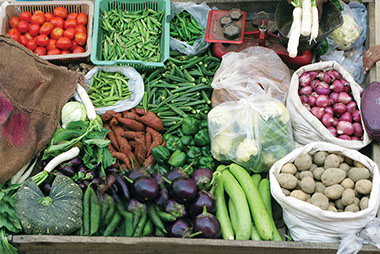
    Image of a farmer's market stand filled with vegetables.

    Did you know the average supermarket produce travels about 2,000 miles to your neighborhood grocery store? Farmers’ market produce travels less than 50 miles, according to University of Nebraska-Lincoln Extension experts who offer these buying and storing tips:

    *Go right home from the market.Foods will decline in quality, and perishable foods such as meats and eggs can pose food safety problems if left sitting in your car. Bring along a cooler with ice if it will take more than an hour or so to get perishables into your refrigerator.

    *Store at room temperature:bananas, melons, onions, potatoes, sweet potatoes, tomatoes, and winter squash. Store them in a clean, dry, well-ventilated place, away from direct sunlight and away from areas where meat is prepared.

    *Ripen on the counter and then put in the refrigerator:avocados, kiwifruit, nectarines, peaches, pears, and plums. Do not keep produce in a sealed plastic bag on the countertop. This slows ripening and may increase off-odors and decay from the buildup of carbon dioxide and depletion of oxygen inside the bag.

    *Store in refrigerator most other fresh fruits and vegetables.Use your refrigerator crisper drawer for whole produce. Store fruits in a separate refrigerator crisper drawer from vegetables. Fruits give off ethylene gas, which can shorten the storage life of vegetables. Some vegetables give off odors that can be absorbed by fruits and affect their quality.

    *Refrigerate fruits and vegetables in perforated plastic bags.This helps maintain moisture yet provide air flow. Make your own: use a sharp object to make several small holes in a food-grade plastic bag (about 20 holes per medium-size bag). Air-tight plastic bags can lead to the growth of mold or bacteria.

    *Wash your hands and produce thoroughly.Wash produce before you use it, NOT when you bring it home. Fresh produce has a natural protective coating that helps keep in moisture and freshness. Washing produce before storage causes it to spoil faster.

    *Remove and discard outer leaves.Rinse under clean, running water just before preparing or eating. Don’t use soap or detergent. It can get into produce and make you sick. Rub briskly-scrubbing with a clean brush or hands-to clean the surface. Dry with a clean cloth or paper towel. Rinse produce even when the peel is removed-such as melons and citrus fruits. Once you have cut through the protective skin of fruits and vegetables, bacteria can enter. Refrigerate cut or peeled fruits and vegetables within 2 hours.

    *Take your own bags or baskets to the farmers’ markets.And be sure to wash them too. Bacteria can grow inside.

    © American Institute for Preventive Medicine

  • Fall Foods Fight Cancer

    HEALTHY EATING

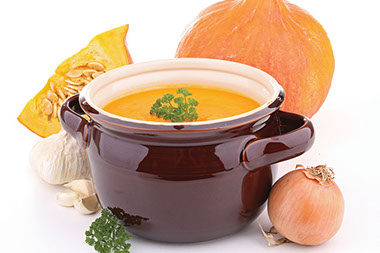
    Image of pumpkin soup.

    The harvest bounty should end up on your dinner table. Stacy Kennedy, a senior nutritionist at Dana-Farber Cancer Institute in Boston, says many fruits and vegetables are at their nutritional peak in the fall so it’s a great time to incorporate them into a healthy diet.

    Kennedy shares the ABC’s of fall foods:

    *“A” is for apple.Studies suggest that eating at least one apple a day can help prevent some types of cancer. Besides being crisp, sweet, and juicy, apples contain quercetin, a nutrient that protects the cells’ DNA from getting damaged. This damage could lead to cancer. Eat apples raw with the skin on because that’s where many of the nutrients are found.

    *“B” is for berries-cranberries.Eat cranberries year-round. Cranberries contain benzoic acid, which has been shown to inhibit the growth of lung cancer, colon cancer, and some forms of leukemia. Buy bags of fresh cranberries now, while they are in season and at their nutritional peak, and pop them in the freezer for later use. This will help ensure that the berries will provide the highest level of cancer protection whenever they’re used.

    *“C” is for color.Just like the leaves on the trees, fall is a time for colorful vegetables like beets, carrots, and parsnips. They add a burst of color and taste. The brighter and richer the pigment, the higher the level of cancer- fighting nutrients.

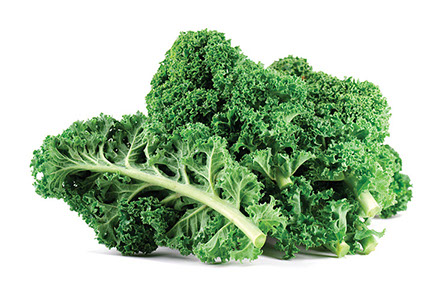
    *“D” is for dark leafy vegetables.Kale is a top choice because it’s rich in phytonutrients called indoles, which stimulate liver detoxification and help fight cancer. Other members of the cruciferous family include broccoli, cabbage, and Brussels sprouts.

    *“E” is for everything orange.Pumpkins, squash, carrots, and sweet potatoes are all packed with a cancer-fighting nutrient called carotenoid. Kennedy stresses that pumpkin isn’t just for pies. She suggests eating it year round by adding it to soup, smoothies, pancake batter and even raviolis.

    FYI: Tomatoes and plastic

    To keep your plastic storage containers from becoming discolored from acidic tomato products, spray with a non-stick cooking spray first, then place your food items inside. This food prep advice is from the extension experts at the University of Nebraska-Lincoln.

    © American Institute for Preventive Medicine

  • Grill Master

    HEALTHY EATING

    Close up image of a person grilling.

    Charring, burning, or grilling meat, poultry, and fish over high temperatures causes heterocyclic amines (HCAs) to form. These HCAs can damage your genes and raise your risk for stomach and colorectal cancers, says The University of Texas MD Anderson Cancer Center. You can avoid HCAs:

    *  Use a marinade. Marinating meat in vinegar, lemon juice, and herbs such as mint, rosemary, tarragon, or sage can reduce HCA formation by as much as 96%. Just 30 minutes can help.

    *  Stick with fish. Fish contains less fat and cooks faster than meat and poultry.

    *  Lightly oil the grill. This keeps charred materials from sticking to your food.

    *  Pre-cook food. Cook meat, poultry, or fish in the microwave or oven for 2 to 5 minutes, then finish them on the grill.

    *  Lower the temperature. For a charcoal grill, spread the coals thinly or prop the grill rack on bricks. This reduces the heat by increasing the distance between your food and the coals. And use barbecue briquettes and hardwood products, such as hickory and maple. They burn at lower temperatures than softwood (pine) chips.

    *  Scrub the grill. Cleaning the grill after each use prevents harmful chemicals from building up and transferring to your food.

    © American Institute for Preventive Medicine

  • Menu Secrets

    HEALTHY EATING

    Image of women at a resturant talking to the waitor about the menu.

    When dining out, two things that affect your menu choices the most are what you see on the menu and how you imagine it will taste.

    But what you order may have less to do with what you want and more to do with a menu’s layout and descriptions, according to a Cornell study in the International Journal of Hospitality Management.

    First,any food item that attracts attention (with bold, highlighted or colored font or set apart in a text box) makes us more likely to order that food item rather than the item listed next to it. “In most cases, these are the least healthy items on the menu,” said lead author, Brian Wansink, author of Slim by Design: Mindless Eating Solutions for Everyday Life.

    Second,menu names with descriptive items sell better and lead you to believe that they taste better. The researchers cite a study where they changed the names of restaurant menu items to make them more descriptive; the seafood filet became Succulent Italian Seafood Filet and red beans and rice became Cajun Red Beans and Rice. Sales of these items went up by 28%, and they were rated as tastier, even though the recipe was identical. Diners were also willing to pay an average of 12% more money for a menu item with a descriptive name.

    The best solutionto healthier restaurant dining may be an easy one. “Just ask your server,” said Wansink, “Ask, ‘What are your two or three lighter  entrées that get the most compliments?’ or ‘What’s the best thing on the menu if a person wants a light dinner?’”

    Eating Out Tip

    Before you choose restaurants, check out their websites. Read menu options and nutrition information, if provided, to help you make healthy choices. When you are at a restaurant, ask if you can make healthier substitutes, such as having a vegetable in place of French fries.

    © American Institute for Preventive Medicine
  • Spooky And Not-So-Spooky Halloween Treats

    HEALTHY EATING

    Image of a brother and sister dressed for Halloween.

    Worst

    *  Chewy/sticky sweets, such as gummy candies, taffy, and even dried fruit can be difficult for children and adults to resist, and even more difficult to remove from teeth. They get stuck in the crevices between teeth, making it nearly impossible for saliva to wash them away.

    *  Sour candies are highly acidic and can break down tooth enamel quickly. The good news: Saliva slowly helps to restore the natural balance of the acid in the mouth. Wait 30 minutes to brush your teeth after consuming sour/acidic candies; otherwise, you are brushing the acid onto more tooth surfaces and increasing the risk of enamel erosion.

    *  Sugary snacks, including candy corn, cookies, and cake, all contain high amounts of sugar, which can cause tooth decay.

    Best

    *  Sugar-free lollipops stimulate saliva, which can help prevent dry mouth that leads to tooth decay.

    *  Sugar-free gum can actually prevent cavities as it not only dislodges food particles from between the teeth but also increases saliva-which works to neutralize the acids of the mouth and prevent tooth decay.

    *  Dark chocolate and its antioxidants can be good for the heart and may even lower blood pressure.

    As always, monitor your children’s candy intake this Halloween and all year round. Kids should be brushing their teeth twice a day for 2 minutes, the Academy recommends.

    © American Institute for Preventive Medicine