Tag: nutrition

  • Store Picnic Food Safely

    HEALTHY EATING

    Image of teens at the beach with a cooler.

    A picnic in the park can be great fun for everyone, but it’s important to assure your food arrives safely along with your family and guests. Follow smart food packing guidelines, say the experts at the Institute of Food Technologists. Keep meats, including lunch meats and raw meats, cheeses, and condiments cold in insulated, soft-sided bags or coolers with freezer gel packs.

    Food needs to be stored at 40ºF or colder to reduce the risk of germ growth, so limit the number of times you open the cooler. Never allow food to sit for more than 2 hours at temperatures below 90ºF, and no more than an hour when temperatures exceed 90ºF outside. Throw away food that’s been sitting out too long.

    Securely package raw meat, seafood and poultry to ensure the juices don’t contaminate other foods. Pack only the amount of perishable food that you think will be eaten. Beverages and perishable foods should travel in separate containers and coolers, especially if you’ll be transporting raw meat.

    When it’s time to go home, don’t reuse packaging material that has contacted raw meats or meat juices. Make sure perishable leftovers stay cold on the trip home. Avoid taking home uncooked leftovers.

    © American Institute for Preventive Medicine

  • What Really Are Antioxidants?

    HEALTHY EATING

    Image of different sources of antioxidants.

    Antioxidants play an important role in overall health. They are natural compounds found in some foods that help neutralize free radicals in our bodies.

    Free radicals are substances that occur naturally in our bodies but attack the fats, protein, and the DNA in our cells, which can cause different types of diseases and accelerate the aging process, according to Claudia Fajardo-Lira, professor of food science and nutrition at California State University-Northridge.

    The best antioxidant sources are fruits and vegetables, as well as products derived from plants. Some good choices include blueberries, raspberries, apples, broccoli, cabbage, spinach, eggplant, and legumes like red kidney beans or black beans.

    They’re also found in green tea, black tea, red wine, and dark chocolate. Usually, the presence of color indicates there is a specific antioxidant in that food.

    The keyword here is variety. Try to get as many fruits and vegetables with different colors when you plan your meals and go to the grocery store. An array of color in your diet will give you the widest range of helpful antioxidants.

    Antioxidants added to foods are as effective as those that occur naturally. Vitamins such as C, A, and E can be added to foods-and they often are, such as in orange juice.

    It’s important not to overdo it on vitamin supplements because there can be too much of a good thing. With food alone, it would be extremely difficult to consume too many antioxidants.

    The MyPlate tool based on the Dietary Guidelines for Americans recommends that you make half your plate fruits and vegetables. If you aim to do that at most meals, you can be sure to get the antioxidants you need, recommends the Institute of Food Technologists.

    © American Institute for Preventive Medicine

  • 10 Ways To Avoid Holiday Weight Gain

    HEALTHY EATING

    Image of women wearing a santa hat while taking her waist measurement.

    It can be especially hard to avoid extra pounds when there’s holiday food everywhere you turn. Stick to the basics of healthy eating so you can make it to the new year without regrets.

    1.Drink more water:Drinking water before you eat may help you feel fuller and eat less.

    2.Skip the soda, hot cocoa and high-sugar coffee drinks:Replacing sugary drinks with water can help you lose weight.

    3.Get exercise:Even just a few minutes a day has health benefits and can help you burn calories.

    4.Eat fruits and vegetables:These foods are generally packed with nutrition and low in calories.

    5.Get enough sleep:Lack of sleep can cause more cravings for unhealthy foods.

    6.Listen to your body:Stop eating when you start to feel full, not when you’re stuffed.

    7.Start with small portions:Start with smaller amounts of food on your plate, and wait to see if you need more later.

    8.Keep a food diary:This helps you get a clear picture of what you’ve eaten.

    9.Don’t eat and watch TV:This can lead to mindless eating and consuming too many calories.

    10.Build muscle:Muscles help your body burn more calories, even when resting.

    © American Institute for Preventive Medicine

  • Do “Meal Replacement” Diets Work?

    HEALTHY EATING

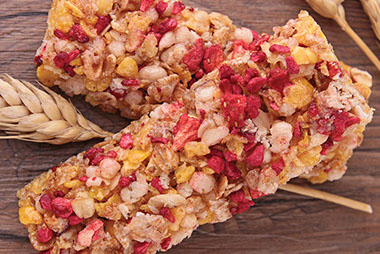
    Image of a nutrition bar.

    It seems simple enough: to cut calories, sip a shake or eat a bar instead of a meal. There’s no risk of accidentally eating too much, and you don’t have to spend time preparing a meal or measuring portions.

    Also known as meal replacement diets, these programs have their pros and cons. A study published in The Journal of the Academy of Nutrition and Dietetics showed they can help people effectively lose weight. But, no single diet works for everyone. Before you try meal replacement, here’s what you should know:

    *  Talk with your doctor before you start any diet plan.

    *  Eat plenty of whole foods daily. Fruits, vegetables, whole grains, lean protein, low-fat dairy and healthy fats are recommended by the USDA. Bars and shakes cannot fully replace the nutrients you get from whole foods.

    *  Get the right amount of calories. There’s a healthy range of calories based on your age, weight and activity level. Learn yours by going to the USDA’s SuperTracker Tool atsupertracker.usda.gov.

    *  Drink plenty of water between meals to stay hydrated. This can improve your energy levels and may help you fight off hunger.

    If you follow the guidelines, you may find success with a meal replacement plan. Be sure to follow the plan as recommended and still eat nutritious foods at other meals. If you find you’re too hungry or it’s not working for you, talk with your doctor or a dietitian about another option.

    © American Institute for Preventive Medicine
  • Food Safety Before, During, And After A Power Outage

    HEALTHY EATING

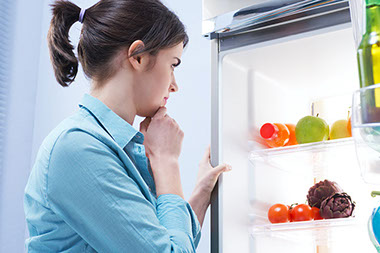
    Image of women looking inside refrigerator.

    Snowstorms, summer thunderstorms, and over usage can knock out power. The FDA says power outages can affect the safety of your food. Ensure that food stays safe by having a plan in place and knowing what food safety precautions to take if a power outage does occur.

    BEFORE

    *  Plan ahead. Stock up on supplies in advance or know where to obtain them if needed. Before an outage, check that the refrigerator temperature is at or below 40 degrees F and the one for the freezer is at or below 0 degrees F.

    *  Plan for ice. Know where you can get dry or block ice. Stock plenty of ice cubes and frozen gel packs. Freeze containers of water (plastic milk jugs do well). All of these help keep food cold in the freezer, refrigerator, or coolers. Keep coolers on hand to store refrigerated food in case the power is out for more than 4 hours. Stock your pantry with a few days’ worth of ready-to-eat foods that do not require cooking or refrigeration.

    DURING

    *  Keep refrigerator and freezer doors closed as much as possible to slow the growth of bacteria. The refrigerator will keep food cold for about 4 hours. A full freezer will keep the temperature for approximately 48 hours (24 hours if it is half full) if unopened. Use ice (dry or block, ice cubes, and frozen containers of water or gel packs) to keep your refrigerator and freezer as cold as possible.

    AFTER

    *  When power is restored, check the temperatures inside your refrigerator and freezer before eating any food. If the power was out for no more than 4 hours, refrigerated food should be safe as long as the doors were kept closed. Discard any perishable food (such as meat, poultry, seafood, milk, eggs, or leftovers) that has been above 40 degrees F for 2 hours or longer.

    *  Food is safe and may be refrozen if the freezer thermometer reads 40 degrees F or below. If you did not have a thermometer in the freezer, check each package to determine its safety; you can’t rely on appearance or odor. If the food still contains ice crystals or is 40 degrees F or below, it is safe to refreeze or cook.

    *  Be aware that perishable foods that are not kept adequately refrigerated or frozen may cause foodborne illness if eaten, even after they are thoroughly cooked.

    © American Institute for Preventive Medicine

  • Heart-Shaped Foods Help Your Heart

    HEALTHY EATING

    Image of a berry and strawberry.

    While some dietitians extol the virtues of red wine, dark chocolate, and salmon for heart health, Dr. Katie Eliot, assistant professor of nutrition and dietetics at Saint Louis University, has a different plan.

    Keep it simple. Look to heart-shaped foods to protect your heart.

    “Being red and heart shaped can be a tip off that some foods are good for your heart,” Dr. Eliot said. “Many heart-shaped fruits and vegetables are great sources of antioxidants. These compounds act like shields, taking the hit from free radicals that otherwise damage the body and cause heart disease and cancer.”

    For instance, strawberries and raspberries are loaded with vitamin C and an antioxidant that prevents plaque from forming in arteries. Cherries contain an antioxidant that is thought to protect the blood vessels and is high in potassium, which helps lower blood pressure.

    Tomatoes and red peppers are rich in the antioxidant lycopene, which is in many red fruits and vegetables and works magic by neutralizing free radicals. And acorn squash and apples contain a type of fiber, which reduces bad cholesterol that can clog up your arteries to cause heart attacks and stroke.

    © American Institute for Preventive Medicine
  • Non-Dairy Calcium-Rich Foods

    HEALTHY EATING

    Image of almond milk.

    Even if you can’t eat dairy, there are plenty of foods that can help you meet your recommended daily calcium intake.

    *  Calcium-fortified soy and almond milk

    *  Tofu

    *  Calcium-fortified orange juice

    *  Sardines

    *  Edamame

    *  Kale, collard greens, broccoli

    *  Figs

    *  White beans

    *  Okra

    © American Institute for Preventive Medicine

  • Sugar: Not So Sweet For Your Health

    HEALTHY EATING

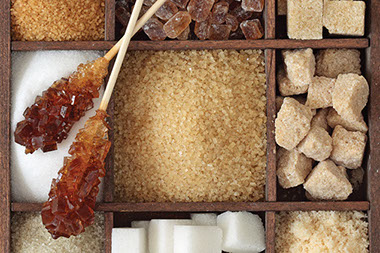
    Image of different types of sugars.

    Cookies, cake, and candy – we all know which foods are high in sugar. Or do we?

    The average American is consuming too much sugar today, and the American Heart Association says this is hurting us. Sugar is loaded with calories, which can cause weight gain and heart problems. A high-sugar diet can also be a factor in diabetes. Sugar can cause cavities and other dental problems.

    You might be surprised to find that many regular or even “healthy” foods have a lot of sugar in them. That’s why the FDA is proposing a change to the food Nutrition Facts label that would list “added sugar.”

    What is added sugar?

    Some healthy foods contain a certain amount of natural sugar. These include fruits, vegetables, dairy, and whole grains. The sugar (simple carbohydrate) naturally occurs in the food.

    On the other hand, many packaged and processed foods contain “added sugar.” This sugar has been added to improve the taste. Many things you wouldn’t suspect, like “diet” foods, soup, yogurt, crackers, and salad dressings can contain a lot of added sugar.

    How do I spot added sugar?

    Sugar can be listed by many different names in the ingredients. So, it’s hard to know how much added sugar you’re getting. Until the nutrition label change takes place, the best thing to do is look at the sugar listing on the Nutrition Facts. Keep track of how many grams are in each serving of food and add them up each day. The AHA recommends:

    *  No more than six teaspoons (25 grams) for women per day

    *  No more than nine teaspoons (37.5 grams) for men per day

    If you eat processed or packaged foods or drinks, look at the Nutrition Facts and see how much sugar each one contains. You may be surprised at how many grams of sugar you consume, even if you’ve been watching your diet. And drinks count too – fruit juice, sports drinks, and sodas are usually loaded with sugar. In fact, a 12- ounce serving of soda contains about 38 grams (nine to 10 teaspoons) of sugar.

    Many food labels don’t list the word “sugar” in the ingredients. In fact, there are more than 50 different names for sugar! These include sucrose, dextrose, maltose, corn syrup, corn syrup solids, dextrin and maltodextrin.

    © American Institute for Preventive Medicine
  • What To Do With Holiday Leftovers

    HEALTHY EATING

    Image of a turkey wrap.

    Make a game plan for leftovers to avoid overeating, say experts from The University of Texas MD Anderson Cancer Center. You can turn holiday leftovers into new healthy dishes by reusing the following foods:

    White turkey meat

    *  Whip up your favorite chili recipe, but use turkey instead of ground beef.

    *  Wrap turkey, spinach leaves, and 2 tablespoons of cranberry sauce in a whole wheat tortilla.

    Mashed potatoes

    *  Mix in a healthy helping of cooked vegetables for a new twist on this side dish. Try cauliflower, broccoli, green beans, or carrots.

    Sweet potatoes

    *  Make a protein-packed sandwich spread or veggie dip by pureeing one-half cup sweet potatoes with one-half cup chickpeas. Eat only 1 or 2 tablespoons at a time.

    © American Institute for Preventive Medicine