Tag: relaxation

  • Taking The Stress Out Of Travel

    Healthy Travel

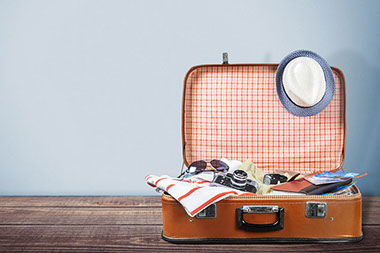
    Image of suit case opened.

    Even if you’re jetting to a sunny climate on your dream vacation, travel can be stressful. Any change in routine, scenery, eating habits, or time zones can take its toll on your well-being.

    Here are some things you can do to minimize travel stress.

    *  Begin to prepare for your trip well in advance of your departure date. Make a list of things to do each day.

    *  Finish packing your bags at least one full day before you leave. Devote the rest of the day to quiet activities, such as reading, napping, taking a leisurely bath, or listening to soothing music.

    *  Allow plenty of time to reach your destination or catch your flight. It’s better to have time to spare than to rush.

    *  Once you reach your destination, don’t over-schedule every day with endless hours of shopping, sightseeing, sports, and partying. Allow for some “downtime.”

    *  Don’t overeat, especially at night.

    *  Get enough sleep. Otherwise, you’ll come home pooped instead of renewed and refreshed.

    *  Get some exercise.

    *  Schedule your return so you have a day or so to “decompress” before you return to work.

    Page image from A Year of Health Hints book by the American Institute for Preventive Medicine. www.HealthyLife.com. All rights reserved.

    © American Institute for Preventive Medicine

  • Reducing Presurgery Jitters

    Medical Care

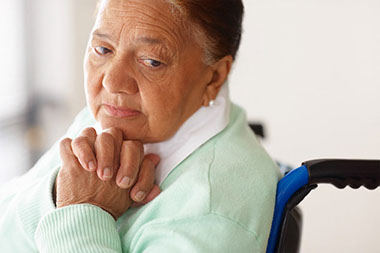
    Image of older women looking nervous.

    Knowing what to expect prior to surgery can reduce pre-operation stress and make you feel more comfortable.

    *  The hospital will have you sign a surgical consent form. Take the time to read it over. Ask your doctor any questions you may have.

    *  Expect a visit from the anesthesiologist or the surgeon (or both). They will review the surgical plans with you. This includes the time and length of surgery, estimated recovery room time, and the type of anesthesia being used. The anesthesiologist will need to know about any previous surgeries, any medical conditions, and any allergies to medications. Ask him or her what time you can expect to return to your room.

    *  Eating in the hours prior to surgery can cause life-threatening vomiting during the operation, so there are usually a prescribed number of hours prior to surgery when no food should be eaten. If a meal is brought to you, don’t eat it until you’ve double-checked with a nurse. It may be a mistake that could cause your surgery to be canceled. Your patient chart should read NPO or non per os (nothing by mouth).

    *  Depending on the nature of the operation, some surgical “preps” may be ordered. This may include a special liquids-only diet, cleaning and shaving of the surgical area, placing a catheter into the bladder, giving an enema, or putting drops into the eyes.

    *  A sleeping pill may be offered the night prior to surgery. Most people will feel anxious about the surgery and find the medication helpful. You are not required to accept it, however, and your patient chart should indicate your preference.

    *  Before surgery, give all valuables or possessions to a friend or relative. These would include jewelry, watches, and eyeglasses. If you wear contact lenses, remove them.

    Page from A Year of Health Hints book by the American Institute for Preventive Medicine. www.HealthyLife.com. All rights reserved.

    © American Institute for Preventive Medicine

  • The Healing Touch

    Alternative Medicine

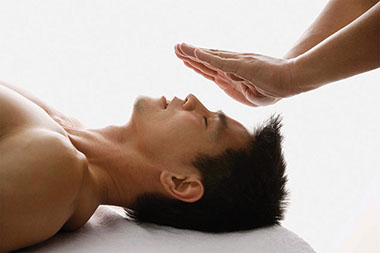
    Image of person having healing touch therapy.

    Balance your energy field

    Healing touch therapy is based on the belief that people have fields of energy that connect and react to the environment around them. It proposes that imbalances or blockages in those energy fields cause illness and pain. Common forms include Reiki, Qigong, and Therapeutic Touch.

    How healing touch works is not known. It is theorized that it affects patients through the connection of energy fields within and outside of the body. There is some evidence that it can reduce pain and improve joint mobility, reduce stress, and trigger a sense of well-being.

    Rubdown not included

    Healing touch is not a massage. In fact, it may not involve practitioner to patient contact at all. During this energy therapy, the practitioner’s hands hover above the body, moving slowly from head to toe, pausing in specific energy centers to clear blocks and energize and balance the energy flow surrounding the body. A session can last from 10 to 40 minutes. Expect to fall into a relaxed state. You may even fall asleep.

    Reported benefits of healing touch therapy

    *  Reduces stress

    *  Increases energy

    *  Calms anxiety and depression

    *  Enhances recovery from surgery

    * Hastens wound healing

    *  Relieves side-effects of chemotherapy

    *  Strengthens the immune system

    *  Supports grief management

    *  Deepens spiritual connection

    *  Eases acute and chronic conditions

    *  Creates a sense of well-being

    Action Step

    If you are considering healing touch therapy, talk with your medical doctor first. It is generally considered safe, but some patients have reported side effects, such as nausea, dizziness, restlessness, and irritability.

    Page from Ways to Well-Being book by the American Institute for Preventive Medicine. www.HealthyLife.com. All rights reserved.

    © American Institute for Preventive Medicine

  • Wellness Gifts 2

    Personal Safety

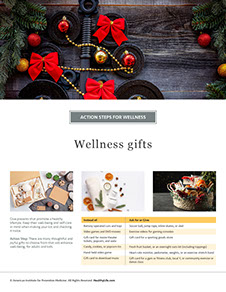
    Fitness tools shaped into a Christmas tree.

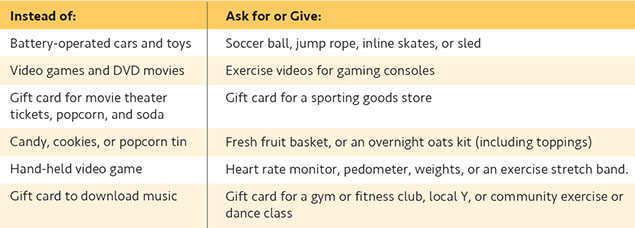
    Give presents that promote a healthy lifestyle. Keep their well-being and self-care in mind when making your list and checking it twice.

    Action Step:There are many thoughtful and joyful gifts to choose from that will enhance well-being, for adults and kids.

    A Year of Health Hints book by the American Institute for Preventive Medicine. www.HealthyLife.com. All rights reserved.

    © American Institute for Preventive Medicine

  • Practice Relaxation Techniques 2

    Healthylife® QuitWell™

    Part 4

    Image of man relaxing while reading a book.

    Use relaxation techniques to manage daily stressors.

    Plan Relaxation Time

    Plan time during the day to relax. You can also do relaxation exercises as needed during the day. Practice these techniques before, during, or after trigger activities (like eating or talking on the phone).

    Relaxation techniques can help reduce stress-related health problems, such as high blood pressure, headaches, and pain. These tools also help you to have greater physical and mental control. This helps you get through times when you may have had a cigarette or other form of tobacco/nicotine in the past.

    How the mind can control the body:

    *  It can slow brain wave patterns.

    *  It can reduce heart and breathing rates.

    *  It can increase blood flow to the limbs.

    *  It can relax muscles.

    Think about the rest of today. When can you spend 10 minutes relaxing? Here are a few ideas of times you can practice relaxation:

    *  Break times when you would usually be on your phone, checking apps or scrolling mindlessly

    *  While drinking your morning coffee

    *  Winding down for bed in the evening

    *  Walking the dog or playing with your pet

    © American Institute for Preventive Medicine

  • Practice Relaxation Techniques 3

    SleepWell® Program

    Week 4

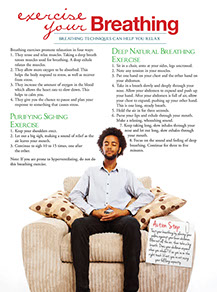
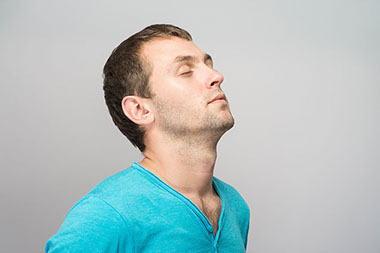
    Image of man deep breathing.

    Learn These Three Skills to Relax

    1.  Relaxation Reflex: Get rid of muscle tension.

    2.  Mental Imagery: Think of calm, restful places.

    3.  Deep Natural Breathing: Feel relaxed by breathing in more oxygen.

    Plan Relaxation Time

    If possible, use the hour before you sleep to wind down and prepare your body and mind for sleep. You can also do relaxation exercises as needed throughout the day. Relaxation techniques can help reduce stress-related health problems, such as high blood pressure, headaches, and pain. These tools also help you to exercise greater mental and physical control and reduce negative emotions.

    How the mind can control the body:

    *  It can slow brain wave patterns.

    *  It can reduce heart and breathing rates.

    *  It can increase blood flow to your limbs.

    *  It can relax muscles.

    Prepare for Relaxation

    Remove external factors that could be causing your body and mind to be overly alert. Watching TV is ok, but avoid loud, violent, or exciting programs. Mindless programs are better. Dim the lights. Play a quiet game (though not on your phone or computer), read a book, or organize your sock drawer or the clothes in your closet.

    A bath taken two hours before bedtime allows your body temperature to drop to a sleep-inducing level.

    Relaxation Reflex

    This skill relaxes four basic muscle groups. Tightening and relaxing these muscles produces a soothing effect which helps you relax. Take slow deep breaths, drop your head, and place your shoulders forward to add to the effect.

    Practice this every day for about five to 10 minutes. Divide the body into four muscle groups. Tense each group for five seconds, then release.

    1. Arms and Hands – Lift your arms, bend them at your wrists and elbows, make fists, and tighten your upper arms.

    2. Face and Neck – Squinch your eyes, nose, cheeks and brow. Stretch your mouth and grit your teeth. Point your chin down toward your chest.

    3. Middle Torso – Push your shoulders back, tighten your stomach and the middle of your back.

    4. Legs and Feet – Lift your legs off the floor and hold them straight out. Point your toes towards your face. Tighten your thighs.

    Mental Imagery

    Choose a peaceful scene like a beach, forest, or sunrise. You can even choose a place of fantasy. Then take an imaginary visit there and relax in the process. Imagine this place using the following 10 steps:

    1. Find a comfortable sitting or reclining position.

    2. Gently close your eyes.

    3. Notice nothing but your own gentle breathing pattern.

    4. Begin to think about your peaceful scene. Picture where you are and what you do when your mind and body are very, very relaxed. Pause to create and capture the image of your soothing place.

    5. Pretend that you are really there in your special relaxing environment. Picture all the colors… Hear the sounds… Smell the aromas… Taste… Touch your surroundings as if you are really there… Enjoy… Relax…

    6. Find the calm and peace. Allow yourself to feel good… Let your whole body relax and enjoy the moment.

    7. Pause for five to 10 minutes and become filled with relaxation.

    8. Allow the relaxation to re-energize your body and mind.

    9. As you feel comfortable, slowly open your eyes, feeling totally refreshed.

    10. Escape to your special place anytime you wish to relax, if even for a moment.

    Deep Natural Breathing

    An increased amount of oxygen allows your heart rate to slow down. This produces a calming effect.

    1. Sit in a chair, arms at your sides, with your legs uncrossed.

    2. Note any tension in your muscles.

    3. Put one hand on your chest and the other hand on your abdomen.

    4. Take in a breath slowly and deeply through your nose allowing your abdomen to expand and push up your hand. After your abdomen is full of air, allow your chest to expand, pushing up your other hand. This is one long steady breath.

    5. Hold the air in for three seconds.

    6. Purse your lips and exhale through your mouth making a relaxing, whooshing sound.

    7. Continue to take long, slow, deep inhales through your nose and let out long, slow exhales through your mouth.

    8. Focus on the sound and feeling of deep breathing. Continue for three to five minutes.

    9. Your chest should feel less constricted. You should feel less stress and tension physically and mentally.
    © American Institute for Preventive Medicine

  • Non-Drug Options For Chronic Pain

    SELF-CARE CORNER

    Image of different herbs.

    Pain that lasts a long time or is ongoing is called chronic pain. A variety of conditions may lead to chronic pain, including  arthritis, fibromyalgia, past injuries, or migraine headaches.

    Always speak to your doctor about any natural remedies you wish to try and any herbs or supplements you take. Not all natural treatments are safe for everyone, including if you are pregnant. Some can interact with medicines. Your doctor can help you find options that will be best for you. The following options are alternative, non-drug treatments that may be helpful.

    Acupuncture

    This Chinese medicine practice involves the placement of thin, small needles into the surface of the skin at various points on the body called meridians. Acupuncturists should be certified or licensed and should use sterile needles. Some studies suggest acupuncture may help with osteoarthritis pain, lower back pain and headaches.

    Mindfulness

    Mindfulness is a type of meditation in which you focus on the present moment only. You calmly acknowledge feelings and thoughts that arise and go back to thinking about the present moment. This treatment may be helpful for people with chronic pain.

    Herbs and dietary supplements

    Various natural supplements may be helpful for chronic pain.

    *  Omega-3 fatty acids, gamma-linolenic acid (GLA) and the herb thunder god vine may help with rheumatoid arthritis pain.

    *  Butterbur, feverfew, magnesium, riboflavin and coenzyme Q10 may help prevent migraines.

    *  Vitamin D supplements may reduce pain in people with fibromyalgia who have low vitamin D levels.

    *  Devil’s claw and white willow bark taken by mouth may be helpful for back pain.

    *  Cayenne, comfrey, Brazilian arnica and lavender essential oil may help back pain when used on the skin (do not take these by mouth).

    Massage

    Massage therapists use their hands to rub or knead the muscles and joints of the body. Some studies show that massage therapy can help with neck pain. Massage may also help reduce pain from osteoarthritis.

    Source: National Center for Complementary and Integrative Health

    © American Institute for Preventive Medicine