Tag: screening

  • The Latest On Mammograms

    MEDICAL NEWS

    Female doctor smiling.

    Our understanding of cancer has expanded rapidly in recent decades. As a result, cancer treatment continues to improve. However, prevention and early detection are important steps to fight cancer.

    Identifying breast cancer before it has the chance to spread is one of the best ways to improve breast cancer survival. In general, the earlier cancer is diagnosed, the better the prognosis. Mammograms are a critical tool for early detection.

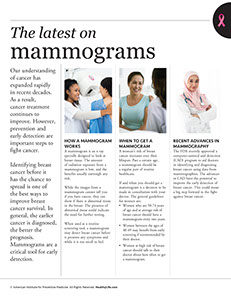
    How a mammogram works

    A mammogram is an x-ray specially designed to look at breast tissue. The amount of radiation exposure from a mammogram is low, and the benefits usually outweigh any risk.

    While the images from a mammogram cannot tell you if you have cancer, they can show if there is abnormal tissue in the breast. The presence of abnormal tissue could indicate the need for further testing.

    When used as a routine screening tool, a mammogram may detect breast cancer before it presents any symptoms and while it is too small to feel.

    When to get a mammogram

    A woman’s risk of breast cancer increases over their lifespan. Past a certain age, a mammogram should be a regular part of routine healthcare.

    If and when you should get a mammogram is a decision to be made in consultation with your doctor. The general guidelines for women are:

    *  Women who are 50-74 years of age and at average risk of breast cancer should have a mammogram every two years.

    *  Women between the ages of 40-49 may benefit from early screening if recommended by their doctor.

    *  Women at high risk of breast cancer should talk to their doctor about how often to get a mammogram.

    Recent Advances in Mammography

    The FDA recently approved a computer-assisted and detection (CAD) program to aid doctors in identifying and diagnosing breast cancer using data from mammographies. The advances in CAD have the potential to improve the early detection of breast cancer. This could mean a big step forward in the fight against breast cancer.
    © American Institute for Preventive Medicine

  • Prevention Is Key: Hpv & Cervical Cancer

    MEDICAL NEWS

    Image of 4 female doctors.

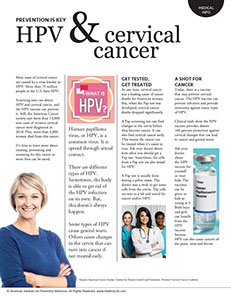
    Most cases of cervical cancer are caused by a virus known as HPV. More than 79 million people in the U.S. have HPV.

    Screening tests can detect HPV and cervical cancer, and the HPV vaccine can prevent it. Still, the American Cancer society says more than 13,000 new cases of invasive cervical cancer were diagnosed in 2018. Plus, more than 4,000 women died from this cancer.

    It’s time to learn more about treating, preventing and screening for this cancer so more lives can be saved.

    What is HPV?

    Human papilloma virus, or HPV, is a common virus. It is spread through sexual contact.

    There are different types of HPV. Sometimes, the body is able to get rid of the HPV infection on its own. But, this doesn’t always happen.

    Some types of HPV cause genital warts. Others cause changes in the cervix that can turn into cancer if not treated early.

    Get tested, get treated

    At one time, cervical cancer was a leading cause of cancer deaths for American women. But, when the Pap test was developed, cervical cancer deaths dropped significantly.

    A Pap screening test can find changes in the cervix before they become cancer. It can also find cervical cancer early. This means the cancer can be treated when it’s easier to cure. Ask your doctor about how often you should get a Pap test. Sometimes, the cells from a Pap test are also tested for HPV.

    A Pap test is usually done during a pelvic exam. The doctor uses a swab to get some cells from the cervix. The cells are sent to a lab and tested for cancer and/or HPV.

    A shot for cancer

    Today, there is a vaccine that may prevent cervical cancer. The HPV vaccine can prevent infection and provide immunity against many types of HPV.

    Clinical trials show the HPV vaccine provides almost  100 percent protection against cervical changes that can lead to cancer and genital warts.

    Ask your doctor about the HPV vaccine for yourself or your kids. The vaccines can be given to kids as young as 9. Both boys and girls can benefit from the HPV vaccine because HPV can also cause cancers of the penis, anus and throat.

    Sources: American Cancer Society, Centers for Disease Control and Prevention, National Cervical Cancer Coalition

    © American Institute for Preventive Medicine
  • Talking About Oral Cancer

    MEDICAL NEWS

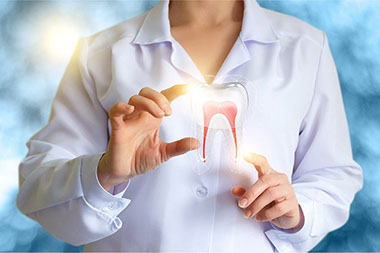
    Image of dentist with illustration of a tooth.

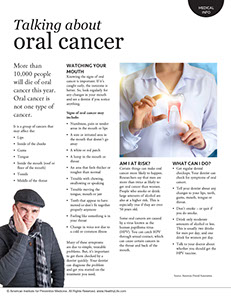
    More than 10,000 people will die of oral cancer this year. Oral cancer is not one type of cancer.

    It is a group of cancers that may affect the:

    *  Lips

    *  Inside of the cheeks

    *  Gums

    *  Tongue

    *  Inside the mouth (roof or floor of the mouth)

    *  Tonsils

    *  Middle of the throat

    Watching your mouth

    Knowing the signs of oral cancer is important. If it’s caught early, the outcome is better. So, look regularly for any changes in your mouth and see a dentist if you notice anything.

    Signs of oral cancer may include:

    *  Numbness, pain or tender areas in the mouth or lips

    *  A sore or irritated area in the mouth that doesn’t go away

    *  A white or red patch

    *  A lump in the mouth or throat

    *  An area that feels thicker or rougher than normal

    *  Trouble with chewing, swallowing or speaking

    *  Trouble moving the tongue, mouth or jaw

    *  Teeth that appear to have moved or don’t fit together properly anymore

    *  Feeling like something is in your throat

    *  Change in voice not due to a cold or common illness

    Many of these symptoms are due to simple, treatable problems. But, it’s important to get them checked by a dentist quickly. Your dentist can diagnose the problem and get you started on the treatment you need.

    Am I at risk?

    Certain things can make oral cancer more likely to happen. Researchers say that men are more than twice as likely to get oral cancer than women. People who smoke or drink large amounts of alcohol are also at a higher risk. This is especially true if they are over 50 years old.

    Some oral cancers are caused by a virus known as the human papilloma virus (HPV). You can catch HPV through sexual contact, which can cause certain cancers in the throat and back of the mouth.

    What can I do?

    *  Get regular dental checkups. Your dentist can check for symptoms of oral cancer.

    *  Tell your dentist about any changes to your lips, teeth, gums, mouth, tongue or throat.

    *  Don’t smoke – or quit if you do smoke.

    *  Drink only moderate amounts of alcohol or less. This is usually two drinks for men per day, and one drink for women per day.

    *  Talk to your doctor about whether you should get the HPV vaccine.

    Source: American Dental Association

    © American Institute for Preventive Medicine

  • Which Std Tests Do You Need?

    MEDICAL NEWS

    Couple embracing each other.

    Sexually transmitted diseases (STDs) can occur when people have sexual contact with a person who also has an STD.

    People of all ages can get STDs. If you have unprotected sexual contact with someone who is infected, you risk getting an STD. This includes oral, anal and vaginal sex.

    Don’t be afraid or embarrassed to ask a health care provider about STDs. Getting tested is important so you can get treatment for STDs. The most common ones include:

    *  Human papilloma virus (HPV)

    *  Chlamydia

    *  Gonorrhea

    *  Syphilis

    *  Herpes

    *  Trichomoniasis

    *  HIV/AIDS

    Why do I need tests?

    Testing is the only way to know for sure if a person has an STD. Many STDs don’t cause any symptoms. This means people could spread STDs to others without knowing. They could also have long-term health problems.

    Risks of STDs include:

    *  Spreading STDs to others

    *  Infertility (trouble getting pregnant)

    *  Long-term pain in the pelvic area

    *  Pelvic inflammatory disease (PID), which can cause pain and infertility

    *  Serious health and immune system problems (from HIV infection)

    Who needs to be tested?

    The Centers for Disease Control and Prevention (CDC) lists the following recommendations for testing:

    *  Everyone ages 13 to 64 should be tested at least once for HIV.

    *  Anyone who has unprotected sex or shares injection drug equipment should get tested for HIV at least once a year.

    *  All sexually active women younger than 25 years should be tested for gonorrhea and chlamydia every year.

    *  Some women 25 years and older should also be tested for gonorrhea and chlamydia every year. This includes women at a higher risk. They may have multiple sex partners or have a partner who has a known STD.

    *  All pregnant women should be tested for syphilis, HIV and hepatitis B. Some pregnant women may also need tests for chlamydia and gonorrhea. Pregnant women may need more than one test throughout pregnancy.

    *  Sexually active gay and bisexual men may need HIV tests every 3 to 6 months.

    *  All sexually active gay and bisexual men should be tested at least once a year for syphilis, chlamydia and gonorrhea. Some men may need to get tested more often if they have multiple partners.

    Many health departments offer STD testing or can help people find a testing site. To find STD testing sites near you visitgettested.cdc.gov.

    Source: Centers for Disease Control and Prevention

    © American Institute for Preventive Medicine
  • Recognize Addiction

    Substance Use & Abuse

    How to tell if you have a drinking or drug problem.

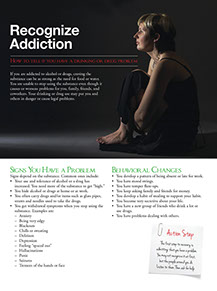
    If you are addicted to alcohol or drugs, craving the substance can be as strong as the need for food or water. You are unable to stop using the substance even though it causes or worsens problems for you, family, friends, and coworkers. Your drinking or drug use may put you and others in danger or cause legal problems.

    Signs You Have a Problem:

    Signs depend on the substance. Common ones include:

    *  Your use and tolerance of alcohol or a drug has increased. You need more of the substance to get “high.”

    *  You hide alcohol or drugs at home or at work.

    *  You often carry drugs and/or items such as glass pipes, straws and needles used to take the drugs.

    *  You get withdrawal symptoms when you stop using the substance. Examples are:

    – Anxiety

    – Being very edgy

    – Blackouts

    – Chills or sweating

    – Delirium

    – Depression

    – Feeling “spaced out”

    – Hallucinations

    – Panic

    – Seizures

    – Tremors of the hands or face

    Behavioral Changes:

    *  You develop a pattern of being absent or late for work.

    *  You have mood swings.

    *  You have temper flare-ups.

    *  You keep asking family and friends for money.

    *  You develop a habit of stealing to support your habit.

    *  You become very secretive about your life.

    *  You have a new group of friends who drink a lot or  use drugs.

    *  You have problems dealing with others.

    Action Step

    The first step to recovery is admitting that you have a problem. You may not recognize it at first, but the people around you do. Listen to them. Then ask for help.

    Page from Ways to Well-Being book by the American Institute for Preventive Medicine. www.HealthyLife.com. All rights reserved.

    © American Institute for Preventive Medicine
  • Health Screenings Can Save Lives

    Medical Exams

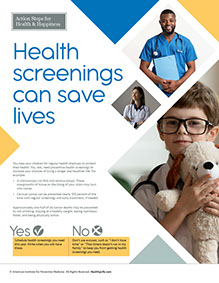
    Smiling doctor.

    You take your children for regular health checkups to protect their health. You, too, need preventive health screenings to increase your chances of living a longer and healthier life. For example:

    *  A colonoscopy can find and remove polyps. These overgrowths of tissue on the lining of your colon may turn into cancer.

    *  Cervical cancer can be prevented nearly 100 percent of the time with regular screenings and early treatment, if needed.

    *  Schedule health screenings you need this year. Write when you will have these.

    *  Don’t use excuses, such as “I don’t have time” or “That illness doesn’t run in my family” to keep you from getting health screenings you need.

    Approximately one half of all cancer deaths may be prevented by not smoking, staying at a healthy weight, eating nutritious foods, and being physically active.

    ays to Well-Being book by the American Institute for Preventive Medicine. www.HealthyLife.com. All rights reserved.

    © American Institute for Preventive Medicine

  • Know Your Health Numbers

    General Health Conditions

    Stethoscope shaped into a heart.

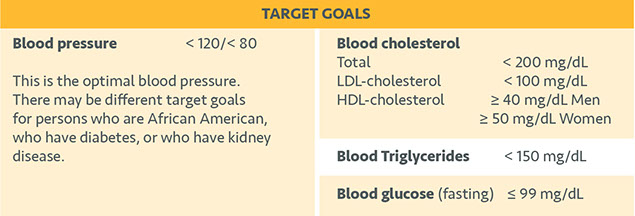
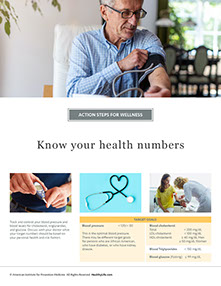
    Track and control your blood pressure and blood levels for cholesterol, triglycerides, and glucose. Discuss with your doctor what your target numbers should be based on your personal health and risk factors.

    Health at Home Lifetime book by the American Institute for Preventive Medicine. www.HealthyLife.com. All rights reserved.

    © American Institute for Preventive Medicine
  • Skin Check

    SELF-CARE CORNER

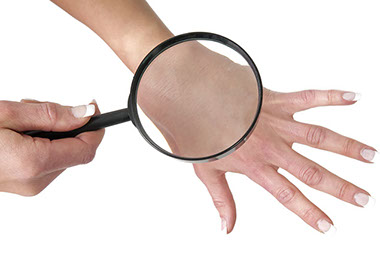
    Close-up image of a person checking to see if they have any skin moles on their hand.

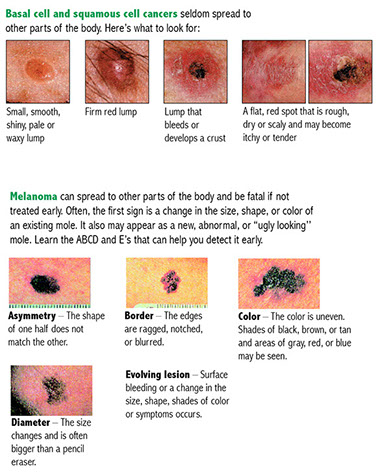
    It is important to understand what will help prevent skin cancer and what might actually increase your risk, according to Caliber I.D., a company that makes diagnostic lab instruments.

    Fact: All skin types and ethnic groups can develop skin cancer. While it is true that Caucasians have a greater risk of skin-related cancer, everyone should protect their skin against the sun’s harmful rays.

    Although fair-skinned people can often easily see stage 1 melanoma (dark spots, changing or new moles) and other cancers, darker skin makes catching it in the early stages more unlikely. Also, darker-skinned people tend to develop a more lethal type of melanoma that develops on the soles of the feet, between the toes, and on the palms of the hands.

    Let your health care provider know if you have any of these signs.

    Chart showing the different types of skin cancers.

    © American Institute for Preventive Medicine

  • Lung Cancer

    Respiratory conditions

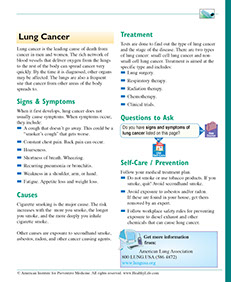
    Lung cancer is the leading cause of death from cancer in men and women. The rich network of blood vessels that deliver oxygen from the lungs to the rest of the body can spread cancer very quickly. By the time it is diagnosed, other organs may be affected. The lungs are also a frequent site that cancer from other areas of the body spreads to.

    Signs & Symptoms

    When it first develops, lung cancer does not usually cause symptoms. When symptoms occur, they include:

    *  A cough that doesn’t go away. This could be a “smoker’s cough” that gets worse.

    *  Constant chest pain. Back pain can occur.

    *  Hoarseness.

    *  Shortness of breath. Wheezing.

    *  Recurring pneumonia or bronchitis.

    *  Weakness in a shoulder, arm, or hand.

    *  Fatigue. Appetite loss and weight loss.

    Causes

    Cigarette smoking is the major cause. The risk increases with the  more you smoke, the longer you smoke, and the more deeply you inhale cigarette smoke.

    Other causes are exposure to secondhand smoke, asbestos, radon, and other cancer causing agents.

    Treatment

    Tests are done to find out the type of lung cancer and the stage of the disease. There are two types of lung cancer: small cell lung cancer and non-small cell lung cancer. Treatment is aimed at the specific type and includes:

    *  Lung surgery.

    *  Respiratory therapy.

    *  Radiation therapy.

    *  Chemotherapy.

    *  Clinical trials.

    Questions to Ask

    Self-Care / Prevention

    Follow your medical treatment plan.

    *  Do not smoke or use tobacco products. If you smoke, quit! Avoid secondhand smoke.

    *  Avoid exposure to asbestos and/or radon. If these are found in your house, get them removed by an expert.

    *  Follow workplace safety rules for preventing exposure to diesel exhaust and other chemicals that can cause lung cancer.

    Healthier at Home book by the American Institute for Preventive Medicine. www.HealthyLife.com. All rights reserved.

    © American Institute for Preventive Medicine
  • The Facts About Breast Cancer Screening

    MEDICAL NEWS

    Image of 4 women with arms around each other smiling and laughing.

    Breast cancer is the most common cancer in women after skin cancer. About 1 in 8 women in the U.S. will get breast cancer during her life. One of the best things you can do for yourself is learn when and how to get screened for breast cancer.

    A mammogram can help save lives.

    Mammograms do not prevent breast cancer. But, they are the best way to find breast cancer early, when it is easier to treat. Mammograms can detect breast cancer before you can see it or feel it. Finding breast cancer in its early stages may reduce a person’s risk of dying by  30 percent or more.

    Breast self exams alone aren’t enough.

    Experts say that breast self-exams (BSEs) cannot take the place of a mammogram. Although women should see their doctors if they notice any changes in their breasts, studies say that BSEs alone are not enough to catch breast cancer early.

    Each woman’s mammogram schedule may be different.

    Women who have a family history of breast cancer or other risk factors may need to start getting yearly mammograms at a younger age. Women who don’t have risk factors may begin getting mammograms in their 40s or later. It’s important to talk with your doctor to find out when you should start getting mammograms.

    If you’re not sure when you should get a mammogram, talk with your doctor. Together, you can create a breast cancer screening schedule that is right for you.

    © American Institute for Preventive Medicine