Tag: seasonal

  • Enjoying Winter Squash

    HEALTHY EATING

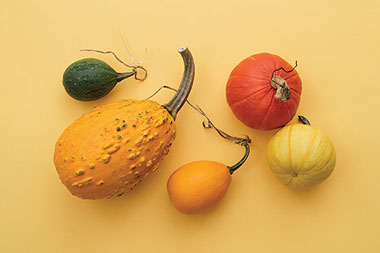
    Variety of winter squash.

    In the cooler months, winter squash is ripe and begins to appear at farmers’ markets and stores everywhere. These delicious vegetables come in a wide variety of colors, flavors, and textures. They provide a wealth of nutrients.

    Types of winter squash

    Compared to thin-skinned, tender summer squash, winter squash take longer to mature and develop thick skins that allow for longer storage. Each variety has a unique flavor. Try:

    *  Acorn

    *  Butternut

    *  Spaghetti

    *  Delicata

    *  Hubbard

    *  Pumpkin

    Health benefits

    *  High in fiber

    *  Excellent source of vitamins A and C

    *  Full of antioxidants and anti-inflammatory nutrients

    *  It may reduce the risk of heart disease, cancer, diabetes, and other chronic diseases.

    Preparing & cooking

    To bake:Cut squash in half and place both halves face down (or face up for some recipes) on a baking tray. Add a small amount of water to the tray and bake at 350º for 35-60 minutes.

    To boil or steam:Use a knife to carefully peel the outer skin. Cut squash in half and remove seeds. Cut into even cubes. Boil or steam for 7 to 10 minutes until desired softness is reached.
    © American Institute for Preventive Medicine
  • Farmers Market: Fresh Produce & More

    HEALTHY EATING

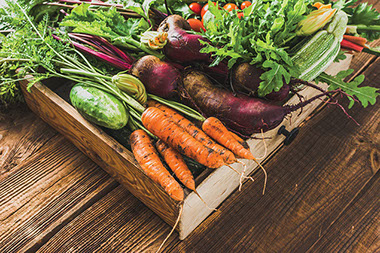
    Variety of fresh produce in wooden box.

    Eating a whole-food, plant-based diet is one of the best things you can do for your health. Foods found at local farmers markets may be more nutritious as they are picked at the peak of ripeness. And, since they don’t have to travel a long distance to reach you, they’re better for you and the environment. Try these tips to get the most out of your next trip to the farmers market.

    Buy what’s in season

    The foods that are growing in abundance in each season will likely be the least expensive. They will also be the most delicious! Nothing beats a fresh, in-season fruit or vegetable.

    Get to know the farmers

    The people who grow your food are a wealth of knowledge. Ask them for recommendations and cooking ideas. They can help you be a better shopper and a better eater!

    Don’t stop at produce

    Most farmers markets have vendors selling eggs, meat, cheese, honey, flowers, fresh bread, and so much more. Take advantage of all the tasty, local products your area has to offer.

    Shop early for the best selection

    The good stuff often goes fast. Get there early to find the best and prettiest produce.

    Or shop late for the best deals

    If you’re shopping on a tight budget, hit the farmers market near closing time. Many vendors will offer discounts so they don’t end up with a lot left over.

    © American Institute for Preventive Medicine
  • Flu Shot Faqs

    MEDICAL NEWS

    Flu vaccine in bottle.

    Every year, millions of people get the flu. Some get very sick and need to be hospitalized. Thousands of people die from the flu every year.

    This year as we battle COVID-19, getting a flu shot is more important than ever. Flu shots decrease the chance that you will be hospitalized or die from the flu. This helps ensure that hospitals will not become overwhelmed with flu and COVID-19 patients.

    Won’t last year’s shot help me?

    Everyone needs to get a flu shot every year. There are two reasons why:

    *  Your immune system’s protection from the shot gets weaker over time.

    *  Flu viruses are always changing, so you need a shot that has this year’s flu strains in it.

    Will a flu shot increase my risk of getting COVID-19?

    No. Studies have shown that a flu vaccine will not put you at risk for COVID-19. But it will help protect you from the flu, which also protects your loved ones and people around you!

    Will the flu shot give me the flu?

    The flu shot is made from inactivated flu virus. An inactivated virus cannot give you the flu. Some people notice side effects from the shot like aches or a mild fever. These side effects last only a day or two. This is much milder than getting the flu, where fever, aches and other symptoms last a week or longer.

    What if I’m not high risk?

    Everyone 6 months of age and older should get the flu shot, even if they have no health problems. Even young, healthy people – including children – can become very sick with the flu.

    When more people get the flu shot, we help protect people who are high risk, including babies, older adults and people who are allergic to the shot.

    Is it too late to get a flu shot?

    Even if you haven’t gotten your flu shot yet, it’s not too late. After getting the shot, you won’t have immunity right away. It takes about two weeks for your body to develop antibodies to the flu.

    Source: Centers for Disease Control and Prevention, World Health Organization

    © American Institute for Preventive Medicine
  • Buy Local. Eat Local.

    HEALTHY EATING

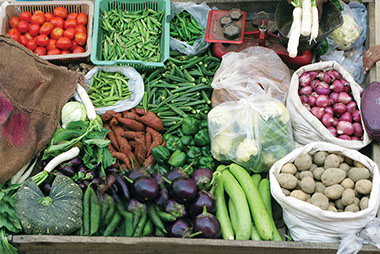
    Image of a farmer's market stand filled with vegetables.

    Did you know the average supermarket produce travels about 2,000 miles to your neighborhood grocery store? Farmers’ market produce travels less than 50 miles, according to University of Nebraska-Lincoln Extension experts who offer these buying and storing tips:

    *Go right home from the market.Foods will decline in quality, and perishable foods such as meats and eggs can pose food safety problems if left sitting in your car. Bring along a cooler with ice if it will take more than an hour or so to get perishables into your refrigerator.

    *Store at room temperature:bananas, melons, onions, potatoes, sweet potatoes, tomatoes, and winter squash. Store them in a clean, dry, well-ventilated place, away from direct sunlight and away from areas where meat is prepared.

    *Ripen on the counter and then put in the refrigerator:avocados, kiwifruit, nectarines, peaches, pears, and plums. Do not keep produce in a sealed plastic bag on the countertop. This slows ripening and may increase off-odors and decay from the buildup of carbon dioxide and depletion of oxygen inside the bag.

    *Store in refrigerator most other fresh fruits and vegetables.Use your refrigerator crisper drawer for whole produce. Store fruits in a separate refrigerator crisper drawer from vegetables. Fruits give off ethylene gas, which can shorten the storage life of vegetables. Some vegetables give off odors that can be absorbed by fruits and affect their quality.

    *Refrigerate fruits and vegetables in perforated plastic bags.This helps maintain moisture yet provide air flow. Make your own: use a sharp object to make several small holes in a food-grade plastic bag (about 20 holes per medium-size bag). Air-tight plastic bags can lead to the growth of mold or bacteria.

    *Wash your hands and produce thoroughly.Wash produce before you use it, NOT when you bring it home. Fresh produce has a natural protective coating that helps keep in moisture and freshness. Washing produce before storage causes it to spoil faster.

    *Remove and discard outer leaves.Rinse under clean, running water just before preparing or eating. Don’t use soap or detergent. It can get into produce and make you sick. Rub briskly-scrubbing with a clean brush or hands-to clean the surface. Dry with a clean cloth or paper towel. Rinse produce even when the peel is removed-such as melons and citrus fruits. Once you have cut through the protective skin of fruits and vegetables, bacteria can enter. Refrigerate cut or peeled fruits and vegetables within 2 hours.

    *Take your own bags or baskets to the farmers’ markets.And be sure to wash them too. Bacteria can grow inside.

    © American Institute for Preventive Medicine
  • Fall In Love With Fall Vegetables

    HEALTHY EATING

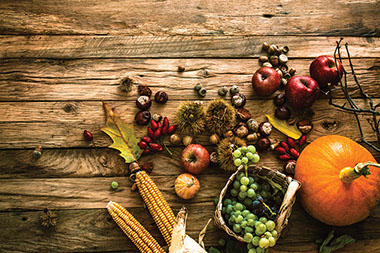
    Image of a variety of fall vegetables.

    Perhaps the days of watermelon and cucumbers are behind us for now, but fall has plenty of delicious in-season veggies and fruits to offer.

    Eating what’s “in season” often means you can get food that’s fresher, more nutritious, and costs less. Check out the grocery store or farmer’s market for some of these delicious fall favorites:

    *  Pumpkins

    *  Carrots

    *  Winter squash, such as acorn, butternut and buttercup

    *  Broccoli

    *  Cauliflower

    *  Sweet potatoes

    *  Mushrooms

    *  Spinach

    *  Grapes

    Of course, some produce is available year-round when it can be shipped from far away. But, check out where the food was grown to ensure you’re getting something fresh. The USDA requires that fresh and frozen fruits and vegetables, along with some meats and fish, have a label on them stating the “country of origin.” In general, the farther it’s had to travel, the less fresh it will be when it gets to your grocery store.

    Remember many of your favorites can be found in the frozen food section if it’s not available fresh at certain times of year.

    © American Institute for Preventive Medicine

  • Spring Clean Your Diet With Green Eating

    HEALTHY EATING

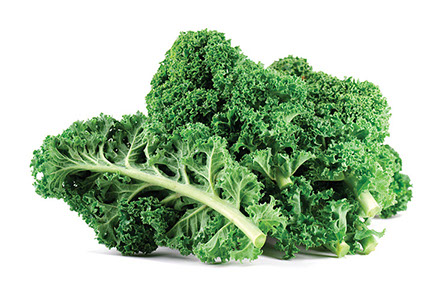
    Image of kale.

    Bright emerald green is symbolic of spring and food bursting with flavor and nutrients. Spring “clean” your diet, suggests Kari Kooi, a registered dietitian at The Methodist Hospital in Houston. She recommends these 5 green powerhouse foods:

    *Asparagus:These green spears offer a bounty of nutrients. Asparagus is high in an antioxidant that can help reduce skin damage from the sun. Also, asparagus contains the most folate of any vegetable. Folate plays a vital role in heart health and the prevention of birth defects.

    *Avocado:Add some thin slices of smooth avocado to your sandwich or salad without feeling guilty. The monounsaturated fat in avocado is what’s mostly responsible for avocado’s super-food status. This type of happy fat can help drive down levels of bad cholesterol.

    *Brussels sprouts:These baby cabbages are loaded with antioxidants and filling fiber. A cruciferous vegetable, Brussels sprouts contain powerful cancer-fighting sulfur compounds that are responsible for their pungent aroma. These green vegetables take on a whole new flavor and crispy texture when roasted in the oven.

    *Kale:This beautiful ruffled green is being called “the queen of greens.” Kale is brimming with eye-nourishing phytochemicals that have been shown to prevent macular degeneration (vision loss) and cataracts. Kale is a better source of calcium than spinach.

    *Kiwifruit:Rich in vitamin C, potassium, and fiber, kiwis make a perfect portable snack. Just slice a kiwifruit in half and scoop out the emerald sweet and tart flesh with a spoon.

    © American Institute for Preventive Medicine

  • Still No Flu Shot? It’S Not Too Late

    SELF-CARE CORNER

    Image of fingers crossed with smiling faces drawn in them.

    The flu causes hundreds of thousands of hospitalizations and thousands of deaths each year, according to the Centers for Disease Control and Prevention (CDC). It’s a serious disease that is especially dangerous for babies, the elderly and those with health conditions, such as heart disease.

    Get your flu shot if you haven’t done so yet. You may be wondering if getting a shot now will be helpful, and the answer is “yes!” Here’s why:

    *  Getting the shot now means you could be protected before the peak of the holiday season. It takes about 2 weeks to get the full immunity from a flu shot.

    *  Flu season usually continues until March or even April of each year. Getting the shot now means months of protection!

    *  As long as the flu keeps spreading, the flu shot can keep you from getting sick.

    *  If you do get sick, your illness will probably be much milder.

    *  No one likes to have a fever, chills, cough, headache, sore throat, body aches, nausea or vomiting. Getting the flu shot now means you reduce your risk of getting all these symptoms from the flu this season. The flu is much more serious than a cold.

    Top flu shot myths busted

    Many people have heard myths about the flu shot and may wonder if it’s safe and effective. Check out these common misconceptions and the truth about the flu shot:

    Myth: You can get sick from the flu shot.

    Fact:The flu shot cannot make you sick with the flu. It contains inactivated (killed) viruses. Some people have mild side effects that last only a day or so that include aches, soreness and a low fever. These side effects are much shorter and milder than getting the flu.

    Myth: I got the flu shot last year, so I don’t need a new one.

    Fact:The flu shot changes each year based on what flu viruses are going around. Experts choose several viruses that are most likely to make people sick and include them in the vaccine. Last year’s vaccine may not offer protection against this year’s viruses.

    Myth: It’s better to just get the flu and get immunity that way.

    Fact:While most healthy people will recover from the flu without problems, this is a dangerous risk to take. Anyone who gets the flu can be at risk of having serious problems. And, there is a high risk of spreading it to loved ones, especially babies, the elderly and people with weakened immune systems.

    © American Institute for Preventive Medicine