Tag: Sleep & Rest

  • Sweet Slumber

    Sleep Well

    Dream catcher.

    A good night’s sleep repairs your body and recharges your brain. Getting enough quality sleep is essential to your physical health and emotional well-being. Without it, you’re at risk for chronic disease, problems thinking, mental health issues, and obesity. If you’re not getting enough sleep, even 1-2 hours more per night can make a difference in your day-to-day functioning.

    The right amount of good quality sleep (7 to 9 hours for most adults) helps you be your best self.

    © American Institute for Preventive Medicine

  • Daily Habits For A Restful Sleep

    SELF-CARE CORNER

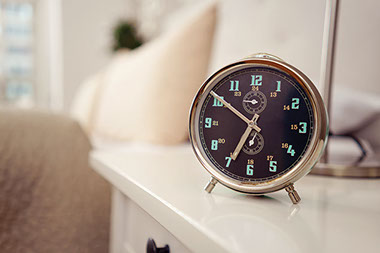
    Clock sitting on night stand.

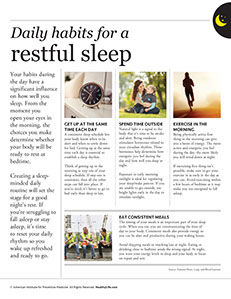
    Your habits during the day have a significant influence on how well you sleep. From the moment you open your eyes in the morning, the choices you make determine whether your body will be ready to rest at bedtime.

    Creating a sleep-minded daily routine will set the stage for a good night’s rest. If you’re struggling to fall asleep or stay asleep, it’s time to reset your daily rhythm so you wake up refreshed and ready to go.

    Get up at the same time each day

    A consistent sleep schedule lets your body know when to be alert and when to settle down for bed. Getting up at the same time each day is essential to establish a sleep rhythm.

    Think of getting up in the morning as step one of your sleep schedule. If step one is consistent, then all the other steps can fall into place. If you’re tired, it’s better to go to bed early than sleep in late.

    Spend time outside

    Natural light is a signal to the body that it’s time to be awake and alert. Being outdoors stimulates hormones related to your circadian rhythm. These hormones help determine how energetic you feel during the day and how well you sleep at night.

    Exposure to early morning sunlight is ideal for regulating your sleep/wake pattern. If you are unable to get outside, use bright lights early in the day to simulate sunlight.

    Exercise in the morning

    Being physically active first thing in the morning can give you a boost of energy. The more active and energetic you feel during the day, the more likely you will wind down at night.

    If exercising first thing isn’t possible, make sure to get your exercise in as early in the day as you can. Avoid exercising within a few hours of bedtime as it may make you too energized to fall asleep.

    Eat consistent meals

    The timing of your meals is an important part of your sleep cycle. When you eat, you are communicating the time of day to your body. Consistent meals also provide energy so you can be alert and productive during your waking hours.

    Avoid skipping meals or snacking late at night. Eating or drinking close to bedtime sends the wrong signal. At night, you want your energy levels to drop and your body to focus on repair and rest.

    Source: National Heart, Lung, and Blood Institute

    © American Institute for Preventive Medicine

  • Do You Live With A Sleepwalker?

    SELF-CARE CORNER

    Young women sleepwalking.

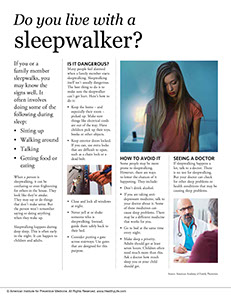
    If you or a family member sleepwalks, you may know the signs well. It often involves doing some of the following during sleep:

    *  Sitting up

    *  Walking around

    *  Talking

    *  Getting food or eating

    When a person is sleepwalking, it can be confusing or even frightening for others in the house. They look like they’re awake. They may say or do things that don’t make sense. But the person won’t remember saying or doing anything when they wake up.

    Sleepwalking happens during deep sleep. This is often early in the night. It can happen to children and adults.

    Is it dangerous?

    Many people feel alarmed when a family member starts sleepwalking. Sleepwalking itself isn’t usually dangerous. The best thing to do is to make sure the sleepwalker can’t get hurt. Here’s how to do it:

    *  Keep the home – and especially their room – picked up. Make sure things like electrical cords are out of the way. Have children pick up their toys, books or other objects.

    *  Keep exterior doors locked. If you can, use extra locks that are difficult to open, such as a chain lock or a dead bolt.

    *  Close and lock all windows at night.

    *  Never yell at or shake someone who is sleepwalking. Instead, guide them safely back to their bed.

    *  Consider putting a gate across stairways. Use gates that are designed for this purpose.

    How to avoid it

    Some people may be more prone to sleepwalking. However, there are ways to lower the chances of it happening. They include:

    *  Don’t drink alcohol.

    *  If you are taking anti-depressant medicine, talk to your doctor about it. Some of these medicines can cause sleep problems. There may be a different medicine that works for you.

    *  Go to bed at the same time every night.

    *  Make sleep a priority. Adults should get at least seven hours. Children often need much more than this. Ask a doctor how much sleep you or your child should get.

    Seeing a doctor

    If sleepwalking happens a lot, talk to a doctor. There is no test for sleepwalking. But your doctor can check for other sleep problems or health conditions that may be causing sleep problems.

    Source: American Academy of Family Physicians

    © American Institute for Preventive Medicine

  • Are Natural Sleep Aids Safe?

    WELL-BEING

    Image of different supplements.

    Many herbal and “natural” sleep supplements are available in stores today. Although they claim to help you sleep without side effects, experts say you should use caution before taking one.

    The Food and Drug Administration (FDA) considers these natural remedies to be “dietary supplements.” This means they are not regulated as strictly as medicines. In fact, the companies that make these supplements don’t have to get FDA approval before selling them.

    Herbs and supplements can interact with medicines you already take. Be sure to talk with your doctor before taking any natural supplement. And parents should not give any natural supplements to children without first talking with the child’s pediatrician. These supplements can have effects on children’s growing bodies.

    © American Institute for Preventive Medicine

  • Books And Bedtime Routine

    WELL-BEING

    Image of a mom reading a book to her young toddler.

    Whatever happened to the good old-fashioned bedtime story? Not an iPad app or a TV show before bed. But a real story, read in bed to a child by a parent.

    Seems that bedtime routines help kids sleep better, say researchers at Penn State in this NIH-funded study. They say well-established rules such as a regular bedtime and no caffeine drinks led to children getting adequate sleep for their age. In contrast, when parents and kids had electronic devices in the bedroom after bedtime, lack of sleep was more likely.

    Poor sleep could lead to behavioral problems, impaired learning and school performance, sports injuries, mood issues, and health problems such as obesity.

    © American Institute for Preventive Medicine

  • Foods For Better Sleep

    WORK LIFE

    Try these before-bed snacks to help you drift off to dreamland. Each of them contains natural chemicals that may help you wind down. Don’t eat too much: a heavy snack may actually keep you awake.

    Source: National Sleep Foundation

    Chart of different foods to help sleep better.

    © American Institute for Preventive Medicine

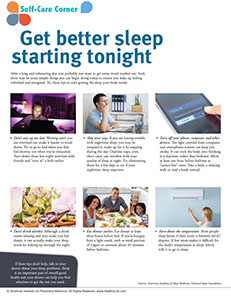
  • Get Better Sleep Starting Tonight

    SELF-CARE CORNER

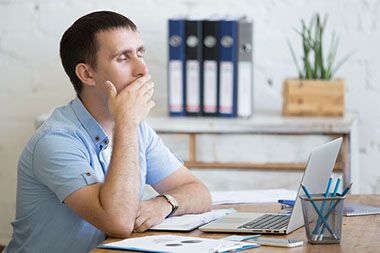
    Image of man feeling sleepy at his desk.

    After a long and exhausting day, you probably just want to get some much needed rest. And, there may be some simple things you can begin doing today to ensure you wake up feeling refreshed and energized. Try these tips to start getting the sleep your body needs:

    *  Don’t stay up too late. Waiting until you are overtired can make it harder to wind down. Try to go to bed when you first feel drowsy, not when you’re exhausted. Turn down those late-night activities with friends and “turn in” a little earlier.

    *  Skip your nap. If you are having trouble with nighttime sleep, you may be tempted to make up for it by napping during the day. Daytime naps, even short ones, can interfere with your quality of sleep at night. Try eliminating them for a few days to see if your nighttime sleep improves.

    *  Turn off your phone, computer and other devices. The light emitted from computer and smartphone screens can keep you awake. It can trick the body into thinking it is daytime, rather than bedtime. Allow at least one hour before bedtime as “screen-free” time. Take a bath, a relaxing walk or read a book instead.

    *  Don’t drink alcohol. Although a drink seems relaxing and may make you feel sleepy, it can actually make your sleep worse by waking up through the night.

    *  Eat dinner earlier. Eat dinner at least three hours before bed. If you’re hungry, have a light snack, such as small portion of yogurt or oatmeal, about 45 minutes before bedtime.

    *  Turn down the temperature. Most people sleep better if their room is between 60-67 degrees. A hot room makes it difficult for the body’s temperature to drop, which tells it to go to sleep.

    If these tips don’t help, talk to your doctor about your sleep problems. Sleep is an important part of overall good health and your doctor can help you find solutions to get the rest you need.

    Sources: American Academy of Sleep Medicine, National Sleep Foundation

    © American Institute for Preventive Medicine

  • Go Dark For Better Sleep – And Better Mornings

    WELL-BEING

    Image of a young female using a tablet in the dark.

    Your nighttime habits may be hurting your morning routine. Many electronic devices, such as smartphones, computers and tablets, give off blue light. This type of light boosts energy – and can interfere with sleep.

    If you wake up feeling groggy in the morning, try shutting off the electronics two to three hours before bedtime. And, make sure you get out and see some daylight and other bright lights during your waking hours. This can help set your body’s internal clock, telling you when to wind down at bedtime and then rise the next day.

    Source: Harvard Medical School

    © American Institute for Preventive Medicine

  • Simple Ways To Get Better Sleep

    WELL-BEING

    Image of man sleeping.

    Lack of sleep can affect the body in many ways. Beyond just feeling tired, long-term sleep deprivation may be linked to health problems such as heart disease, obesity and depression. Try these tips to get better sleep each night:

    *Have a consistent schedule.Get up at the same time each morning and go to bed at the same time each night. This will help to set your body’s internal clock. Over time, you’ll fall asleep quicker and may sleep better throughout the night.

    *Skip screens.The light given off by smartphones, tablets and computers can actually keep you awake. Avoid electronics in the evening, at least 2 hours before bedtime.

    *Think about skipping naps.Although a nap may feel great when you’re tired, it could be causing more sleep problems. Napping can interfere with your sleep schedule and make you too alert at bedtime. If you have trouble falling asleep at night, skip the nap and get to bed a little sooner.

    *Get moving.Exercise during the day has been shown to improve sleep quality. Walking, jogging, or any activity you enjoy can be helpful. Don’t exercise within 2 hours of bedtime, though, if you have trouble falling asleep.

    *Be careful about caffeine.That afternoon cup of coffee could still be in your system at bedtime, making it difficult to fall asleep. Try to avoid soda, tea and coffee after lunch.

    *Don’t smoke.Nicotine interferes with sleep and harms your health in many other ways. If you need help quitting, talk to your doctor or visitsmokefree.govfor free help with quitting. It’s never too late to quit.

    *Don’t eat a big meal before bed.Heavy meals can interfere with sleep and make you restless. Eat dinner about 2 to 3 hours before bedtime. If you need a snack, make it small and light, such as yogurt and fruit or a handful of nuts.

    Source: National Sleep Foundation

    © American Institute for Preventive Medicine

  • Sleep, But How?

    MEDICAL NEWS

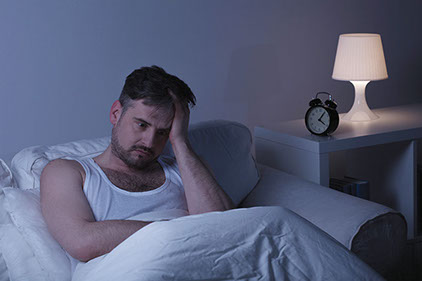
    Image of man awake in bed.

    “We know that how much you sleep and the quality of your sleep can have a tremendous impact on your overall health,” said Dr. David J. Earnest, professor at the Texas A&M Health Science Center College of Medicine, who studies circadian rhythms-the human body’s master clock.

    “We’re starting to recognize that sleep deprivation and disorders are more prevalent than any other health disorder that affects Americans,” he said.

    If you feel like there’s a deeper cause to your sleep woes, you may be like 1 in 10 Americans who suffer from insomnia or other sleep disorders, including these:

    Delayed Sleep Phase Disorder (DSPD)-a tendency to go to bed later (around 2 or 4 in the morning) and to sleep until the early afternoon. This kind of disorder can interfere with a normal work or school schedule.

    Advanced Sleep Phase Disorder (ASPD)-the tendency to go to bed earlier (6 or 8 in the evening) and to wake earlier than most people (around 3 or 5 in the morning). While this kind of disorder doesn’t typically interfere with a normal work or school schedule, it can pose a challenge for social activities or events that occur later in the evening.

    Non-24-Hour Sleep-Wake Syndrome-a circadian rhythm that is 25 hours or longer, which leads to sleep and wake times becoming gradually later.

    Jet Lag-one of the most common and usually occasional sleep disorders that occurs when your internal clock is out of synch with a new time zone. After traveling to a new time zone, you may find it difficult to fall and stay asleep during suitable times.

    Shift Work-with constantly changing shifts, it can be difficult for workers to adjust to their new sleep schedules. Shift work has been linked with a higher risk of developing metabolic or cardiovascular diseases.

    Sleep Apnea-breathing temporarily stops due to a blockage of the upper airways during sleep. Most people with sleep apnea do not know that they have it. Symptoms include daytime sleepiness, irritability, depression, and fatigue the next day, because their sleep lacks quality.

    Narcolepsy-extreme sleepiness during the day, usually resulting in suddenly falling asleep. It’s caused by a dysfunction in the brain mechanism that controls sleeping and waking.

    Restless Leg Syndrome (RLS)-itching, tingling, or burning in the lower legs, that makes it difficult to get comfortable and fall asleep.

    If you think you might have a sleep disorder, discuss your symptoms with your doctor or a sleep specialist.


    © American Institute for Preventive Medicine