Tag: vaccine

  • Flu Shot Faqs

    MEDICAL NEWS

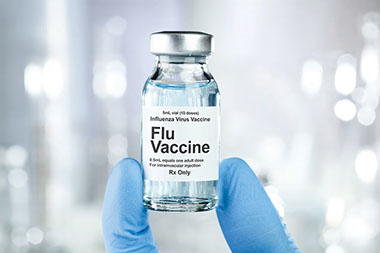
    Flu vaccine in bottle.

    Every year, millions of people get the flu. Some get very sick and need to be hospitalized. Thousands of people die from the flu every year.

    This year as we battle COVID-19, getting a flu shot is more important than ever. Flu shots decrease the chance that you will be hospitalized or die from the flu. This helps ensure that hospitals will not become overwhelmed with flu and COVID-19 patients.

    Won’t last year’s shot help me?

    Everyone needs to get a flu shot every year. There are two reasons why:

    *  Your immune system’s protection from the shot gets weaker over time.

    *  Flu viruses are always changing, so you need a shot that has this year’s flu strains in it.

    Will a flu shot increase my risk of getting COVID-19?

    No. Studies have shown that a flu vaccine will not put you at risk for COVID-19. But it will help protect you from the flu, which also protects your loved ones and people around you!

    Will the flu shot give me the flu?

    The flu shot is made from inactivated flu virus. An inactivated virus cannot give you the flu. Some people notice side effects from the shot like aches or a mild fever. These side effects last only a day or two. This is much milder than getting the flu, where fever, aches and other symptoms last a week or longer.

    What if I’m not high risk?

    Everyone 6 months of age and older should get the flu shot, even if they have no health problems. Even young, healthy people – including children – can become very sick with the flu.

    When more people get the flu shot, we help protect people who are high risk, including babies, older adults and people who are allergic to the shot.

    Is it too late to get a flu shot?

    Even if you haven’t gotten your flu shot yet, it’s not too late. After getting the shot, you won’t have immunity right away. It takes about two weeks for your body to develop antibodies to the flu.

    Source: Centers for Disease Control and Prevention, World Health Organization
    © American Institute for Preventive Medicine

  • Prevention Is Key: Hpv & Cervical Cancer

    MEDICAL NEWS

    Image of 4 female doctors.

    Most cases of cervical cancer are caused by a virus known as HPV. More than 79 million people in the U.S. have HPV.

    Screening tests can detect HPV and cervical cancer, and the HPV vaccine can prevent it. Still, the American Cancer society says more than 13,000 new cases of invasive cervical cancer were diagnosed in 2018. Plus, more than 4,000 women died from this cancer.

    It’s time to learn more about treating, preventing and screening for this cancer so more lives can be saved.

    What is HPV?

    Human papilloma virus, or HPV, is a common virus. It is spread through sexual contact.

    There are different types of HPV. Sometimes, the body is able to get rid of the HPV infection on its own. But, this doesn’t always happen.

    Some types of HPV cause genital warts. Others cause changes in the cervix that can turn into cancer if not treated early.

    Get tested, get treated

    At one time, cervical cancer was a leading cause of cancer deaths for American women. But, when the Pap test was developed, cervical cancer deaths dropped significantly.

    A Pap screening test can find changes in the cervix before they become cancer. It can also find cervical cancer early. This means the cancer can be treated when it’s easier to cure. Ask your doctor about how often you should get a Pap test. Sometimes, the cells from a Pap test are also tested for HPV.

    A Pap test is usually done during a pelvic exam. The doctor uses a swab to get some cells from the cervix. The cells are sent to a lab and tested for cancer and/or HPV.

    A shot for cancer

    Today, there is a vaccine that may prevent cervical cancer. The HPV vaccine can prevent infection and provide immunity against many types of HPV.

    Clinical trials show the HPV vaccine provides almost  100 percent protection against cervical changes that can lead to cancer and genital warts.

    Ask your doctor about the HPV vaccine for yourself or your kids. The vaccines can be given to kids as young as 9. Both boys and girls can benefit from the HPV vaccine because HPV can also cause cancers of the penis, anus and throat.

    Sources: American Cancer Society, Centers for Disease Control and Prevention, National Cervical Cancer Coalition

    © American Institute for Preventive Medicine
  • Get Vaccines To Prevent Measles

    Skin Conditions

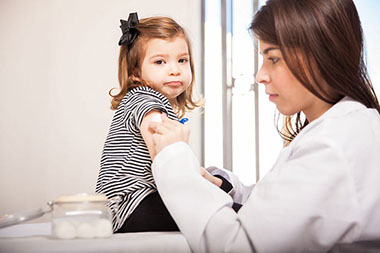
    Image of toddler getting a shot by a doctor.

    In January 2015, CDC issued a health advisory to notify public health departments and healthcare facilities about a multi-state outbreak of measles. The outbreak started at Disneyland in Dec., 2014. During that entire year, the CDC reported a record number of measles in the U.S. with 644 cases from 27 states. This is the greatest number of cases since measles was eliminated in the U.S. in 2000.

    Why the rise in measles?

    *  The majority of the people who got measles did not receive vaccines.

    *  Measles is still common in many parts of the world including some countries in Europe, Asia, the Pacific, and Africa.

    *  Travelers with measles continue to bring the disease into the U.S.

    Measles is a highly contagious respiratory disease caused by a virus. Coughs and sneezes spread the virus through the air. Measles starts with a fever, runny nose, cough, red eyes, and sore throat. A rash that spreads all over the body follows. About three out of 10 people who get measles will develop one or more serious problems including pneumonia, ear infections, or diarrhea. These problems are more common in adults and young children.

    Guidelines for measles vaccines

    Children should get 2 doses of measles, mumps, and rubella (MMR) vaccine:

    *  First Dose: 12-15 months of age. Some infants younger than 12 months should get a dose of MMR if they are traveling out of the country.

    *  Second Dose: 4-6 years of age

    *  If not given at these times, a two-dose series is needed for all school-age children and adolescents.

    Adults born after 1956 should get at least one dose of MMR vaccine, unless they can show that they have either been vaccinated or had all three diseases.

    Health News by the American Institute for Preventive Medicine. www.HealthyLife.com. All rights reserved.

    © American Institute for Preventive Medicine

  • Shingles

    Skin Conditions

    Shingles (herpes zoster) is a skin condition. It is triggered by the chicken pox virus, which is thought to lie dormant in the spinal cord until later in life. Most often, shingles occurs in people over 50 years old.

    Signs & Symptoms

    *  Pain, itching, or a tingling feeling before a rash appears.

    *  A rash of painful red blisters. These later crust over. Most often, the rash appears in a band on one side of the body or in a cluster on one side of the face.

    *  Fever and general weakness can occur.

    *  The crusts fall off, usually within 3 weeks.

    *  Pain can persist in the area of the rash. This usually goes away within 1 to 6 months. Chronic pain called postherpetic neuralgia (PHN) can last longer, even for years. The older you are, the greater the chance that this is the case. The recovery time may also take longer.

    *  Blindness can occur if the eye is affected.

    *  Most cases of shingles are mild.

    Image of the shingles.

    Causes

    The virus that causes chicken pox – varicella zoster virus (VZV) causes shingles. To get shingles, you must have had chicken pox. You are more likely to get shingles after an illness or taking medicine that lowers the immune system. Stress or trauma can also increase the risk for shingles.

    Treatment

    If you think you might have shingles, see your doctor right away! He or she can prescribe:

    *  An oral antiviral medicine. This can make symptoms less severe and help you get better sooner. To help, this medicine needs to be started within 24 to 72 hours after the rash first appears.

    *  Medicine for pain. This includes over-the-counter pain relievers and capsaicin topical cream. Prescribed medicine may be needed for pain. A skin patch called Lidoderm may be helpful for PHN.

    *  Other medicines to treat symptoms.

    Questions to Ask

    Self-Care / Prevention

    *  A Zoster vaccine may help prevent getting shingles. It can also reduce the pain due to shingles. The vaccine is advised for persons age 60 and older.

    *  Unless your doctor has prescribed pain medicine, take an over-the-counter one as directed.

    *  Don’t wear clothing that irritates the skin area where sores are present.

    *  Keep sores open to the air. Until the blisters are completely crusted over, do not go near children or adults who have not yet had chicken pox. Do not go near persons who have a condition which weakens their immune system. Examples are cancer, HIV/AIDS, and chronic illnesses. They could get chicken pox from exposure to shingles.

    *  Wash blisters. Don’t scrub them.

    *  To relieve itching, apply calamine lotion to the affected area. You can also use a paste made of 3 teaspoons of baking soda mixed with 1 teaspoon of water.

    *  Avoid drafty areas.

    *  Put a cool compress, such as a cold cloth dipped in ice water, on the blisters. Do this for 20 minutes at a time.

    *  Drink lots of liquids.

    Resources

    National Institute of Allergy and Infectious Diseases (NIAID)

    www.niaid.nih.gov

    National Shingles Foundation

    212.222.3390

    www.vzvfoundation.org

    Healthier at Home book by the American Institute for Preventive Medicine. www.HealthyLife.com. All rights reserved.

    © American Institute for Preventive Medicine
  • Pap Smear Needed Even With Hpv Vaccine

    MEDICAL NEWS

    Image of women talking with her doctor.

    HPV (human papillomavirus) vaccines that are often recommended to help prevent infections related to cervical and other cancers should not discourage women from also getting a Pap smear, UT Southwestern Medical Center cancer experts said.

    “Women should continue to be screened even if they have undergone HPV vaccination. The vaccine does not target all types of HPV that cause cancer. It is intended to reduce the risk of cancer, but has not been proven to eliminate the need for screening,” explains Dr. Jayanthi Lea.

    Unless you have a history of precancerous lesions, cancer, immune deficiency, or other risks, testing every three years between ages 21 and 65 is sufficient, Dr. Lea said. “There is also the option of combining a Pap test with HPV testing for women over age 30. Screening this way is typically performed every five years.”

    © American Institute for Preventive Medicine
  • Shingles (And We’re Not Talking About Your Roof)

    SELF-CARE CORNER

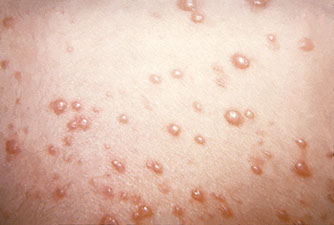
    Image of shingles the rash on a person's back.

    Shingles is a painful viral infection that affects 30% of Americans every year. It is caused by Varicella Zoster virus, the same virus that causes chicken pox.

    The outbreak occurs mostly in people 50 years of age and older. The virus can lie dormant in the nerve tissue of the body for many years, then becomes activated and causes shingles later in life.

    According to the Centers for Disease Control and Prevention, shingles is not passed from one person to another. However, the virus that causes shingles can spread from a person with active shingles to another person who has never had chicken pox. In such cases, the person exposed to the virus might develop chickenpox, not shingles.

    “If you are diagnosed with shingles, you are contagious as long as you have blisters and ulcers. It is important to cover your rash and wash your hands frequently. It also is important to avoid people who have not received the chicken pox vaccine, pregnant women and anyone with a weak immune system,” said Dr. Khalilah Babino, physician at Loyola University Health System and assistant professor in the Department of Family Medicine at Loyola University Chicago Stritch School of Medicine.

    A shingles outbreak can last several weeks. Before the rash appears, the following symptoms may occur:

    *  Fatigue

    *  Headache

    *  Tingling

    *  Itching

    *  Burning Pain

    After a few days, a blistering rash in clusters appears. The shingles rash is always located along the involved nerve pattern called a dermatome, typically in a band on one side of the body. Most often, the rash is on the chest and/or back, but can occur on other body parts.

    “If you develop shingles on your face, especially near your eye, you should seek immediate medical care as this type may result in loss of vision,” Dr. Babino said. The blisters that form will pop in a few days and become open sores, which are contagious. Usually, these ulcers scab over within 7 to 10 days and the rash goes away within 4 weeks.

    “Fortunately, there is antiviral medication to help slow the virus and speed recovery. The earlier the medication is started, the more effective it is against the virus. I recommend starting these medications within 72 hours of the onset of rash. Since shingles can be very painful, you might also need prescription pain medication,” Dr. Babino said.

    Most people with shingles do not suffer any complications. Still, there is a 10% chance of developing a painful condition called post-herpetic neuralgia after the rash has gone away. The pain can last from a few months to a year.

    You can decrease your risk of developing shingles and its complications by getting the shingles vaccine. One dose of shingles vaccine is advised for adults age 60 years and older, but can be given between the ages of 50 and 59.

    “People who have had shingles previously can still receive the vaccine. If you are above the age of 50 years old, you should talk to your health care provider about the shingles vaccine,” Dr. Babino said.

    © American Institute for Preventive Medicine
  • Still No Flu Shot? It’S Not Too Late

    SELF-CARE CORNER

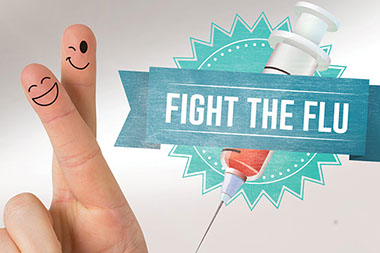
    Image of fingers crossed with smiling faces drawn in them.

    The flu causes hundreds of thousands of hospitalizations and thousands of deaths each year, according to the Centers for Disease Control and Prevention (CDC). It’s a serious disease that is especially dangerous for babies, the elderly and those with health conditions, such as heart disease.

    Get your flu shot if you haven’t done so yet. You may be wondering if getting a shot now will be helpful, and the answer is “yes!” Here’s why:

    *  Getting the shot now means you could be protected before the peak of the holiday season. It takes about 2 weeks to get the full immunity from a flu shot.

    *  Flu season usually continues until March or even April of each year. Getting the shot now means months of protection!

    *  As long as the flu keeps spreading, the flu shot can keep you from getting sick.

    *  If you do get sick, your illness will probably be much milder.

    *  No one likes to have a fever, chills, cough, headache, sore throat, body aches, nausea or vomiting. Getting the flu shot now means you reduce your risk of getting all these symptoms from the flu this season. The flu is much more serious than a cold.

    Top flu shot myths busted

    Many people have heard myths about the flu shot and may wonder if it’s safe and effective. Check out these common misconceptions and the truth about the flu shot:

    Myth: You can get sick from the flu shot.

    Fact:The flu shot cannot make you sick with the flu. It contains inactivated (killed) viruses. Some people have mild side effects that last only a day or so that include aches, soreness and a low fever. These side effects are much shorter and milder than getting the flu.

    Myth: I got the flu shot last year, so I don’t need a new one.

    Fact:The flu shot changes each year based on what flu viruses are going around. Experts choose several viruses that are most likely to make people sick and include them in the vaccine. Last year’s vaccine may not offer protection against this year’s viruses.

    Myth: It’s better to just get the flu and get immunity that way.

    Fact:While most healthy people will recover from the flu without problems, this is a dangerous risk to take. Anyone who gets the flu can be at risk of having serious problems. And, there is a high risk of spreading it to loved ones, especially babies, the elderly and people with weakened immune systems.

    © American Institute for Preventive Medicine
  • What To Know About Whooping Cough

    SELF-CARE CORNER

    Image of man coughing.

    Pertussis, or whooping cough, is more than just an annoying cough. It is a serious and highly contagious disease. The coughing is so severe it causes those affected to gasp for air in between coughs, which make a “whooping” sound that can last for weeks or months. The cough may cause a person to stop breathing temporarily, turn blue, and even vomit. Many people are unable to eat or sleep due to the severe coughing spells. It can lead to complications, such as pneumonia, cracked ribs, and seizures. It can also be life-threatening.

    Whooping cough is on the rise in the U.S. Here’s what you should know to protect yourself and those around you.

    You can spread it before you even know you have it.

    Whooping cough may feel like you have a cold at first. This stage lasts one to two weeks. It often includes a runny nose, sneezing, low-grade fever, and a mild cough. Unfortunately, many people don’t realize they have whooping cough during this stage and can spread it to others.

    Infants under 6 months of age are the most likely to die from pertussis.

    Babies are given whooping cough vaccine at two, four and six months of age. Until they have had all these vaccines, they are more likely to catch whooping cough. The Immunization Action Coalition says babies under six months of age are the most vulnerable because they don’t yet have strong immunity to protect against it.

    Adults are the most likely to pass the infection to young infants.

    The National Foundation for Infectious Diseases (NFID) says adults are the most common source of whooping cough infection in babies.

    Even if you already had a whooping cough vaccine, you might need another one.

    Vaccines aren’t just for babies and kids. Recommendations for whooping cough vaccination have changed in recent years.

    The NFID says the following adults should be vaccinated:

    *  All adults age 19 and older need a whooping cough booster. This is called a Tdap vaccine. It also protects against tetanus and diphtheria.

    *  Pregnant women need a Tdap vaccine during the third trimester (between 27 and 36 weeks of every pregnancy).

    *  Adults of any age who may be in close contact with babies younger than 1 year of age should get a Tdap vaccine. It should be given at least two weeks before being around the baby, if possible.

    *  Health care employees in hospitals and health centers should get the Tdap.

    *  After getting the Tdap vaccine, all other adults should get the Td (tetanus and diphtheria) booster every 10 years.

    © American Institute for Preventive Medicine