Tag: virus

  • What You Need To Know About Measles

    MEDICAL NEWS

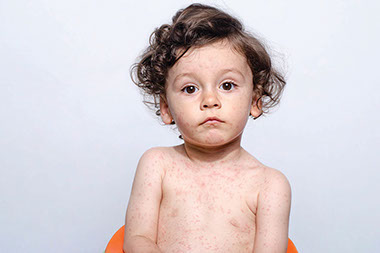
    Young child with measles.

    In 2019, the U.S. has seen the biggest measles outbreak since 1994. Measles was declared eliminated in the year 2000, but in recent years measles has come back.

    This outbreak is due to two main factors:

    1.  Many people travel abroad. They may travel to a place where measles is common. They catch measles there and bring it back to the U.S. with them. They may not even know they have measles until several days after they return.

    2.  Some people in the U.S. do not get the measles vaccine. If they are exposed, they get sick and can spread measles to others.

    Dangerously easy to catch

    Measles is highly contagious. It spreads through the air. An infected person can simply breathe and spread measles. It can also be spread through coughing and sneezing.

    You don’t even have to be near a person with measles to catch it from them. Measles stays in the air for a long time. In fact, you could go into a room two hours after an infected person has left and still catch measles.

    Many times, people spread measles before they even know they have it.

    Almost everyone who hasn’t gotten the measles vaccine will catch measles if they are exposed.

    Know the signs

    *  Very high fever (this usually comes first)

    *  Cough, runny nose and red eyes

    *  Diarrhea

    *  Ear infection

    *  Rash of tiny red spots, usually starting at the head and spreading all over

    Serious complications

    Serious problems can happen to a person who catches measles, especially babies and young children. This includes:

    *  Pneumonia (a serious lung infection)

    *  Brain swelling (encephalitis)

    *  Permanent brain damage

    *  Deafness

    *  Death

    Get the shot

    The best way to avoid getting measles is to get the measles vaccine. This can also keep you from spreading it to babies who are too young to get the shot.

    Two doses of the MMR (measles, mumps, rubella) shot are 97 percent effective in preventing measles. Children should get the first dose at 12 to 15 months of age. They get the second dose at 4 to 6 years of age.

    Some adults have not received the MMR shot. Even adults who have received it may need a booster shot. Your doctor can perform a simple blood test to see if you are immune to measles.

    Ask your doctor if you need the measles vaccine or if you should have the blood test done. The MMR vaccine is very safe and it works. Most health insurance covers the cost of the vaccine. If you have any concerns, discuss them with your doctor.

    Sources: American Medical Association, Centers for Disease Control and Prevention

    © American Institute for Preventive Medicine
  • Covid-19, Cold, Flu, Or Allergy?

    SELF-CARE CORNER

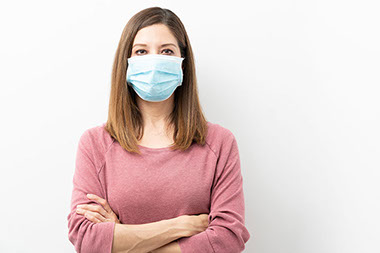
    Women wearing a face mask.

    Know the difference

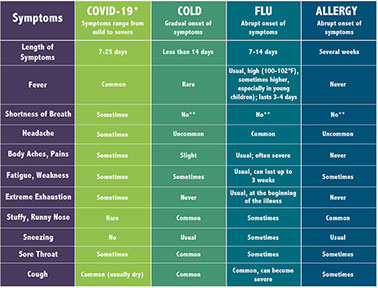
    You’re feeling pretty lousy. You’ve got sniffles, sneezing, and a sore throat. Is it COVID-19, a cold, flu, or allergies? It can be hard to tell them apart because they share so many symptoms. But understanding the differences will help you choose the best treatment.

    Comparison chart of symptoms between COVID-19, Cold, Flu and Allergies.

    © American Institute for Preventive Medicine
  • Is It Food Poisoning Or A Virus?

    SELF-CARE CORNER

    Man holding a glass of water with one hand and holding stomach in pain with the other hand.

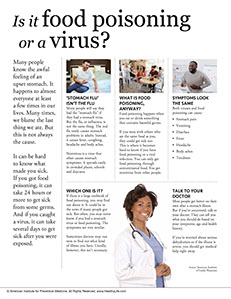
    Many people know the awful feeling of an upset stomach. It happens to almost everyone at least a few times in our lives. Many times, we blame the last thing we ate. But this is not always the cause.

    It can be hard to know what made you sick. If you got food poisoning, it can take 24 hours or more to get sick from some germs. And if you caught a virus, it can take several days to get sick after you were exposed.

    ‘Stomach flu’ isn’t the flu

    Many people will say they had the “stomach flu” if they had a stomach virus. But the flu, or influenza, is not the same thing. The real flu rarely causes stomach problems in adults. Instead, it causes fever, coughing, headache and body aches.

    Norovirus is a virus that often causes stomach symptoms. It spreads easily in crowded places, schools and daycares.

    What is food poisoning, anyway?

    Food poisoning happens when you eat or drink something that contains harmful germs.

    If you were with others who ate the same food as you, they could get sick too. This is where it becomes hard to know if you have food poisoning or a viral infection. You can only get food poisoning through contaminated food. You get norovirus from other people.

    Symptoms look the same

    Both viruses and food poisoning can cause:

    *  Stomach pain

    *  Vomiting

    *  Diarrhea

    *  Fever

    *  Headache

    *  Body aches

    *  Tiredness

    Which one is it?

    If there is a large outbreak of food poisoning, you may find out about it. It could be in the news if many people got sick. But often, you may never know if you had a stomach virus or food poisoning. The symptoms are very similar.

    Sometimes doctors may run tests to find out what kind of illness you have. Usually, however, this isn’t necessary.

    Talk to your doctor

    Most people get better on their own after a stomach illness. But if you’re concerned, talk to your doctor. They can tell you what you should do based on your symptoms, age and health history.

    If you’re worried about serious dehydration or if the illness is severe, you should get medical help right away.

    Source: American Academy of Family Physicians

    © American Institute for Preventive Medicine

  • Colds & Flu

    Children’s Health

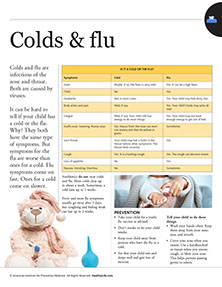
    Colds and flu are infections of the nose and throat. Both are caused by viruses.

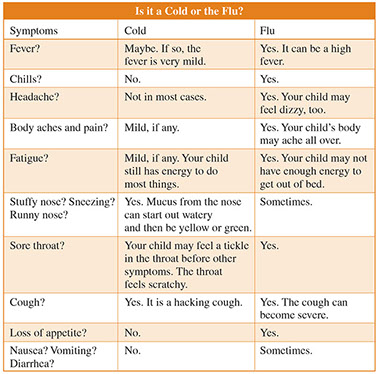
    It can be hard to tell if your child has a cold or the flu. Why? They both have the same type of symptoms. But symptoms for the flu are worse than ones for a cold. Flu symptoms come on fast. Ones for a cold come on slower.

    Signs & Symptoms

    Chart showing symptoms of a cold vs a flu.

    Prevention

    Antibiotics do not treat colds and flu. Most colds clear up in about a week. Sometimes, a cold lasts up to 2 weeks.

    Fever and most flu symptoms usually go away after 5 days, but coughing and feeling weak can last up to 2 weeks.

    To Help Prevent Colds and Flu

    *  Take your child for a yearly flu vaccine as advised.

    *  Don’t smoke or let your child smoke.

    *  Keep your child away from persons who have the flu or a cold.

    *  See that your child eats and sleeps well and gets lots of exercise.

    Tell your child to do these things:

    *  Wash your hands often. Keep them away from your nose, eyes, and mouth.

    *  Cover your nose when you sneeze. Use a handkerchief or tissues when you sneeze, cough, or blow your nose. This helps prevent passing germs to others.

    Questions to Ask

    Self-Care

    Have your child do these things:

    *  Rest.

    *  Drink lots of liquids. They help clear out the respiratory tract. This can help prevent other problems, like bronchitis.

    *  Eat chicken soup. It helps clear out mucus.

    If your child’s throat is sore, have him or her do these things:

    *  Gargle every few hours with 1/4 teaspoon of salt in 1/2 cup of warm water, if able to. (A child can usually do this starting at age 6.)

    *  Suck on a piece of hard candy or cough drop once in a while. (Don’t  give these to children under 5 years old.)

    Things you can do:

    *  Try to clear your child’s nose. This is very important in babies under 6 months old, because some can’t breathe through their mouths yet. Also, they can’t breast or bottle-feed if they can’t breathe through the nose. To clear your child’s nose:

    – Use an over-the-counter spray or drops for the nose made of salt and water. An example is Ocean® brand. Follow the label’s advice or that of your child’s doctor.

    – For a baby who can’t blow his or her nose, leave the salt drops in for 1 minute. Then use a soft rubber suction bulb to draw out the mucus. Lie the baby on his or her back. Aim the bulb straight down, not at an angle! (You can get a suction bulb at the drug store.) Or use a cotton swab to wipe the mucus out. Don’t put the suction bulb or cotton swab too far into the nose. You could cause a nosebleed.

    – For a child who can blow his or her own nose, have the child do it 1 minute after the salt drops are in.

    *  Put a cool-mist vaporizer or humidifier in your child’s room. Use distilled (not tap) water. Clean it every day.

    *  For fever and muscle aches, give your child acetaminophen or ibuprofen. Make sure you give the right kind and dose for your child’s weight. (Note: Do not give aspirin. Aspirin and other medicines that have salicylates have been linked to Reye’s Syndrome.

    *  Check with your child’s doctor about using over-the-counter medicines for colds and flu for children under  age 2.

    *  Call your child’s doctor if he or she gets a fever after a cold or after the flu has gone away.

    *  Washing the hands often helps stop spreading the flu. Have your child wash his or her hands:

    – After playing with others.

    – When he or she gets home from school.

    – After blowing his or her nose.

    – After touching toys or other people’s things.

    Signs of Reye’s Syndrome

    Be on the lookout for Reye’s Syndrome after the flu or chickenpox. Reye’s Syndrome does not happen very often. But you should know about it. Look for these signs:

    *  Vomiting over and over again. Or vomiting that does not stop.

    *  Loss of pep and energy.

    *  Acting very, very sleepy.

    *  Acting very, very cranky.

    *  Striking out at others.

    *  Acting strange.

    *  Convulsions.

    (Note: If your child shows signs of Reye’s Syndrome, get medical care fast!)

    Children's Self-Care book by the American Institute for Preventive Medicine. www.HealthyLife.com. All rights reserved.

    © American Institute for Preventive Medicine
  • Warts

    Skin Conditions

    Image of medication being applied to wart on finger.

    Warts are small skin growths. Most are harmless and painless. They can appear on any part of the body.

    Signs & Symptoms

    *  Common warts. These are firm and often have a rough surface. They are round or have an irregular shape. They are found on places subject to injury, such as the hands, fingers, and knees. Common warts are flesh-colored to brown. They may spread, but are not cancer.

    *  Flat warts. These are smooth and flesh-colored. They are found mainly on the hands and face and may itch.

    *  Plantar warts. These occur on the soles of the feet. They look like corns or calluses and may have little black dots in the center. They can be painful.

    *  Digitate warts. These threadlike warts grow on the scalp.

    *  Filiform warts. These are long, narrow, small growths. They appear mainly on the neck, eyelids, or armpits.

    *  Genital warts. SeeSexually Transmitted Infections (STIs) – Human Papillomavirus (HPV).

    Causes

    Warts are caused by human papillomaviruses. One of these viruses may enter the body through a cut or nick in the skin. Scratching or picking at warts may spread them to other sites. Some persons are more prone to getting warts than others. People who cannot fight off disease are also more at risk for warts. You cannot get warts from frogs or toads.

    Treatment

    Treatment for warts depends on their location, type, and severity and how long they have been on the skin. About 50% of warts go away in 6 to 12 months without treatment.

    Self-care measures can be used for warts not on the face or genitals. Medical treatment includes liquid nitrogen, chemical injections, topical medicines, laser surgery, and minor surgery.

    Questions to Ask

    Self-Care / Prevention

    *  Don’t touch, scratch, or pick at warts.

    *  Never cut or burn a wart off.

    *  Try an over-the-counter wart remover with salicylic acid. This can be a liquid or it can be in a medicated wart pad or patch. {Note: Do not use these wart removers on the face or genitals.} Follow package directions. A pumice stone helps remove the dead skin during this treatment.

    *  Ask your doctor about Retin A for flat warts.

    *  During treatment for plantar warts, put pads or cushions in your shoes. This can help relieve the pain when you walk.

    To Prevent Warts

    *  Don’t touch, scratch, or pick at warts.

    *  Wear plastic sandals or shower shoes in locker rooms and public swimming pool areas.

    *  Change shoes often to air them out.

    Resources

    Skinsight

    www.skinsight.com

    Healthier at Home book by the American Institute for Preventive Medicine. www.HealthyLife.com. All rights reserved.

    © American Institute for Preventive Medicine
  • West Nile Virus

    General Health Conditions

    Mosquito bites cause West Nile virus if the mosquito is infected with it.

    Signs & Symptoms

    Most people who get the virus will have no symptoms. About 1 in 5 persons will get mild ones (West Nile fever). Symptoms usually occur 3 to 14 days after being bitten by an infected mosquito. See doctor for the following:

    *  Fever.

    *  Headache.

    *  Body aches.

    *  Skin rash on the trunk of the body (sometimes).

    *  Swollen lymph glands (sometimes).

    About 1 in 150 persons get symptoms of a severe infection (West Nile encephalitis or meningitis). Get Immediate Care for the following:

    *  High fever.

    *  Stiff neck.

    *  Severe headache.

    *  Muscle weakness.

    *  Tremors. Confusion.

    *  Convulsions.

    *  Decreasing level of consciousness.

    *  Paralysis.

    Prevention

    Protect yourself from mosquito bites. Stay indoors at peak mosquito biting times (dawn, dusk, and early evening). Apply an insect repellent with DEET to clothing and exposed skin to last long enough for the times you will be outdoors. Wear long-sleeved shirts and long pants when you are outdoors.

    Resources

    Centers for Disease Control and Prevention

    www.cdc.gov

    Student Self-Care book by the American Institute for Preventive Medicine. www.HealthyLife.com. All rights reserved.

    © American Institute for Preventive Medicine
  • The Abcs Of Hepatitis

    MEDICAL NEWS

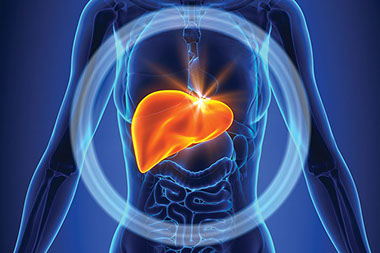
    Illustration of liver.

    Millions of Americans are living with hepatitis today, and many don’t know they have it. Hepatitis can be serious and can lead to lifelong health problems. To help fight this dangerous disease, it’s important to know how it is spread and what you can do to prevent it.

    What is hepatitis?

    Hepatitis is an inflammation of the liver. Without the liver, the body cannot process nutrients, fight infection, or filter the blood. Hepatitis can make someone very sick. Some people with viral hepatitis can get liver cancer or severe scarring of the liver, known as cirrhosis.

    How does someone get hepatitis?

    The three most common types of viral hepatitis are spread in different ways:

    *  Hepatitis A can spread if a person eats or drinks something that has been contaminated with the virus. A person with hepatitis A spreads the virus through their stool.

    *  Hepatitis B can spread when blood, semen or other body fluids from an infected person get into the body of another person. This can happen during childbirth, sexual contact, getting tattoos or piercings, sharing needles or medical equipment, or sharing personal items, such as razors.

    *  Hepatitis C spreads through blood. Sharing needles or personal equipment that comes into contact with blood is the main way it gets spread. It may also spread during sexual contact. Like hepatitis B, Hep C can infect a baby during childbirth if the mother has it.

    How do I prevent hepatitis?

    Many people don’t have symptoms of hepatitis and don’t know they are infected. This means they can spread it to others without knowing it.

    The best ways to help prevent the spread of hepatitis are:

    *  Getting the vaccine, if needed. Vaccines are available for hepatitis A and B.

    *  Getting screened for hepatitis if you are at risk and getting treatment when available.

    *  Being aware of risk factors and avoiding them whenever possible. This may include not sharing needles or other personal equipment as listed on this page. Use latex condoms during sexual activity.

    Is there a cure for viral hepatitis?

    Most people who get hepatitis A will recover after a few weeks or months. People with hepatitis B may need to be checked regularly for liver damage, and the infection may be lifelong. Hepatitis C can often be cured with today’s advanced medications.

    Ask your doctor if you are at risk for hepatitis and whether you should be screened or vaccinated.

    Sources: Centers for Disease Control, World Health Organization

    © American Institute for Preventive Medicine
  • Ebola Facts

    MEDICAL NEWS

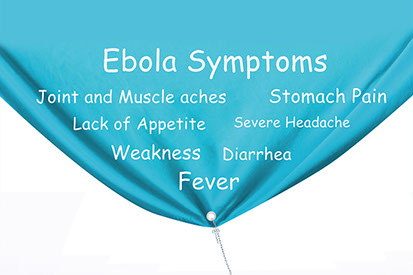
    Illustration of ebola symptoms.

    Although the risk of Ebola spreading in the U.S. is low, the CDC offers this information about a scary disease. A person infected with Ebola-a disease outbreak in countries in West Africa and isolated cases in the U.S.-can’t spread the disease until symptoms appear.

    The time from exposure to when signs or symptoms of the disease appear (called the incubation period) is 2 to 21 days, but the average time is 8 to 10 days. Signs of Ebola include fever (higher than 101.5ºF) and severe headache, muscle pain, vomiting, diarrhea, stomach pain, or unexplained bleeding or bruising.

    Ebola is spread through direct contact with blood and body fluids.

    Ebola is spread through direct contact (through broken skin or through your eyes, nose, or mouth) with:

    *  Blood and body fluids (like urine, feces, saliva, vomit, sweat, and semen) of a person who is sick with Ebola.

    *  Objects (such as needles) that have been contaminated with the blood or body fluids of a person sick with Ebola.

    There is no FDA-approved vaccine available for Ebola. Experimental vaccines and treatments are under development. You can protect yourself against Ebola.

    *  DO wash your hands often with soap and water or use an alcohol-based hand sanitizer.

    *  Do NOT touch the blood or body fluids of people who are sick.

    *  Do NOT handle items that may have come in contact with a sick person’s blood or body fluids, such as clothing, bedding, needles, or medical equipment.

    *  Do NOT touch the body of someone who has died of Ebola.

    Ebola is NOT spread through the air, water, or food.

    If you have traveled to an area with an Ebola outbreak or had close contact with a person sick with Ebola, you may be at risk.

    © American Institute for Preventive Medicine
  • Is It The Flu?

    MEDICAL NEWS

    Image with the words "Fight the Flu" written in a banner.

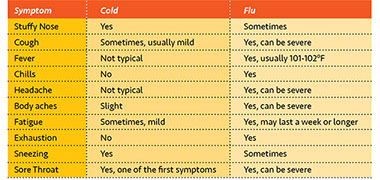
    Influenza, or the flu, circulates every winter and leaves thousands of people sick with a cough, aches, fever, and fatigue. The flu is much more serious than a cold: thousands of people die each year from flu-related complications. Unfortunately, many people don’t realize they have the flu until it’s too late. By then, they may have exposed people at work, school, or other public places. Here’s how to know if you have the flu, or just a cold:

    Chart showing symptoms of the cold vs the flu.

    When you come down with a cold, your symptoms usually appear very gradually over a few days. They often start with a sore throat followed by a runny nose. The flu often hits hard, very quickly. Symptoms appear suddenly and the exhaustion and aches can quickly become severe.

    If in doubt, try to stay home and stay away from others when you’re sick. In particular, try to avoid exposing young children and older adults, who may be more likely to suffer from flu-related problems. Wash your hands frequently and encourage others in your household to do the same.

    If you think you have the flu, call your doctor right away. You may be able to take an antiviral medication (brand name: Tamiflu), which can decrease your symptoms and the amount of time you are sick. Antiviral medications should be taken within 48 hours of the start of symptoms.

    Finally, talk to your doctor about getting a flu shot each year: it’s the number one way to help avoid getting – and spreading – the flu!

    Sources: Centers for Disease Control, U.S. Department of Veterans Affairs

    © American Institute for Preventive Medicine
  • Safe Ways To Get Rid Of Warts

    SELF-CARE CORNER

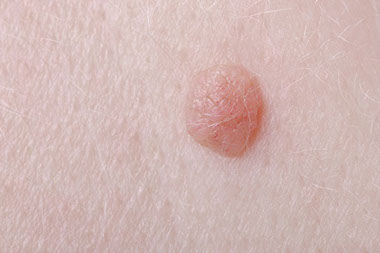
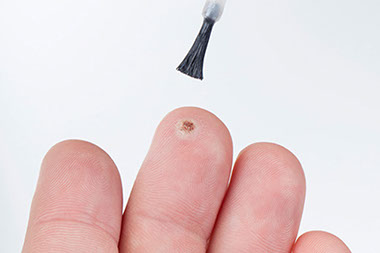
    Close up image of a wart.

    Warts are noncancerous growths caused by a contagious virus. Common warts usually appear on the hands, and plantar warts appear on the bottoms of the feet.

    Most common and plantar warts are harmless and will go away on their own with time. But, they may cause pain or embarrassment. As a result, many people would rather see them gone sooner rather than later.

    Wart basics

    If you’re not sure whether you have a wart, it’s best to see your doctor. Some skin cancers can look like warts.

    You can get warts from other people or from touching a surface that had the wart virus on it. The virus that causes warts is known as human papillomavirus (HPV). Children and teens get warts most often, but they can happen to anyone.

    Keep warts away

    It’s best to try and avoid getting warts in the first place. To help avoid warts, doctors say:

    *  Don’t go barefoot in public showers, bathrooms, locker rooms, and around swimming pools. Wear flip flops or waterproof shoes.

    *  Don’t share towels or personal items with others unless it has been washed.

    *  Wash hands regularly, including before and after eating, after using the bathroom, and after touching shared surfaces like doorknobs and ATMs.

    *  Finally, never pick at or scratch warts. This can spread the wart to other parts of the body.

    Medicines for warts

    There are a few ways to help speed the healing process for warts and get rid of them sooner. They include:

    *Wart medicine:Look for one that contains salicylic acid as the active ingredient. This medicine helps peel the wart off gradually. It can be purchased in a liquid or gel you apply to the skin, or in patches that stick on the wart.

    *Wart freezing sprays:An over-the-counter wart freezing spray can help get rid of warts. The spray blisters the wart and the skin around it, allowing it to fall off in a few days.

    *Duct tape:Some studies suggest that applying duct tape to the wart may help it go away. Put a small piece of duct tape over the wart and change the tape every couple of days. This may help peel the wart off.

    Be patient with any wart treatment. It may take several applications before the wart goes away. If these home remedies aren’t working, talk to your doctor. Most dermatologists offer stronger wart removal treatments when needed.

    Sources: American Academy of Dermatology, American Academy of Family Physicians

    © American Institute for Preventive Medicine