Tag: women

  • Health Screenings For Women

    SELF-CARE CORNER

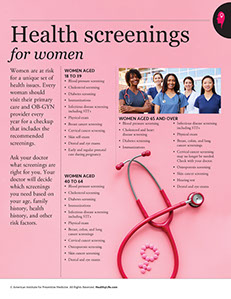
    Stethoscope and female symbol pills on pink top view.

    Women are at risk for a unique set of health issues. Every woman should visit their primary care and OB-GYN provider every year for a checkup that includes the recommended screenings.

    Ask your doctor what screenings are right for you. Your doctor will decide which screenings you need based on your age, family history, health history, and other risk factors.

    Women aged 18 to 39

    *  Blood pressure screening

    *  Cholesterol screening

    *  Diabetes screening

    *  Immunizations

    *  Infectious disease screening including STI’s

    *  Physical exam

    *  Breast cancer screening

    *  Cervical cancer screening

    *  Skin self-exam

    *  Dental and eye exams

    *  Early and regular prenatal care during pregnancy

    Women aged  40 to 64

    *  Blood pressure screening

    *  Cholesterol screening

    *  Diabetes screening

    *  Immunizations

    *  Infectious disease screening including STI’s

    *  Physical exam

    *  Breast, colon, and lung cancer screenings

    *  Cervical cancer screening

    *  Osteoporosis screening

    *  Skin cancer screening

    *  Dental and eye exams

    Women aged 65 and over

    *  Blood pressure screening

    *  Cholesterol and heart disease screening

    *  Diabetes screening

    *  Immunizations

    *  Infectious disease screening including STI’s

    *  Physical exam

    *  Breast, colon, and lung cancer screenings

    *  Cervical cancer screening may no longer be needed. Check with your doctor.

    *  Osteoporosis screening

    *  Skin cancer screening

    *  Hearing test

    *  Dental and eye exams

    © American Institute for Preventive Medicine

  • Understanding Perimenopause

    MEDICAL NEWS

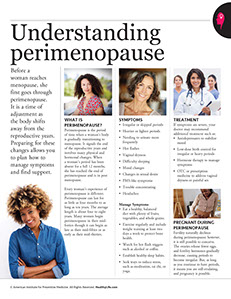
    Women outside looking out to the distance.

    Before a woman reaches menopause, she first goes through perimenopause. It is a time of adjustment as the body shifts away from the reproductive years. Preparing for these changes allows you to plan how to manage symptoms and find support.

    What is perimenopause?

    Perimenopause is the period of time when a woman’s body is gradually transitioning to menopause. It signals the end of the reproductive years and involves many physical and hormonal changes. When a woman’s period has been absent for a full 12 months, she has reached the end of perimenopause and is in post menopause.

    Every woman’s experience of perimenopause is different. Perimenopause can last for as little as four months to as long as ten years. The average length is about four to eight years. Many women begin perimenopause in their mid-forties though it can begin as late as their mid-fifties or as early as their mid-thirties.

    Symptoms

    *  Irregular or skipped periods

    *  Heavier or lighter periods

    *  Needing to urinate more frequently

    *  Hot flashes

    *  Vaginal dryness

    *  Difficulty sleeping

    *  Mood changes

    *  Changes in sexual desire

    *  PMS-like symptoms

    *  Trouble concentrating

    *  Headaches

    Manage Symptoms

    *  Eat a healthy, balanced diet with plenty of fruits, vegetables, and whole grains.

    *  Exercise regularly and include weight training at least two days a week to protect bone health.

    *  Watch for hot flash triggers such as alcohol or coffee.

    *  Establish healthy sleep habits.

    *  Seek ways to reduce stress, such as meditation, tai chi, or yoga.

    Treatment

    If symptoms are severe, your doctor may recommend additional treatment such as:

    *  Antidepressants to stabilize mood

    *  Low-dose birth control for irregular or heavy periods

    *  Hormone therapy to manage symptoms

    *  OTC or prescription medicine to address vaginal dryness or painful sex

    Pregnant during perimenopause

    Fertility naturally declines during perimenopause; however, it is still possible to conceive. The ovaries release fewer eggs, and fertility hormones gradually decrease, causing periods to become irregular. But, as long as you continue to have periods, it means you are still ovulating, and pregnancy is possible.

    © American Institute for Preventive Medicine

  • Birth Control Options

    Women’s Health

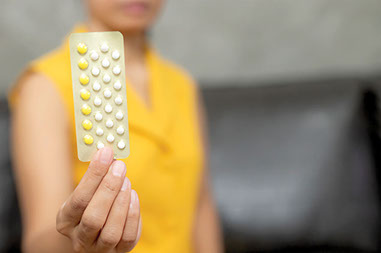
    Women's hand holding up birth control pack.

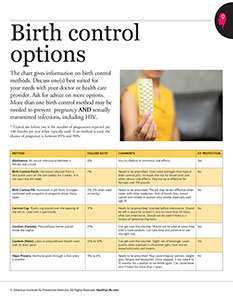
    This page gives information on birth control methods. Discuss one(s) best suited for your needs with your doctor or health care provider. Ask for advice on more options. More than one birth control method may be needed to prevent  pregnancy AND sexually transmitted infections, including HIV.

    * Typical use failure rate is the number of pregnancies expected per 100 females per year when typically used. If no method is used, the chance of pregnancy is between 85% and 90%.

    Abstinence

    No sexual intercourse between a female and a male.

    Has no medical or hormonal side effects.

    Failure Rate*

    0%

    HIV / STI Protection

    Yes

    Birth Control Patch

    Hormones released from a skin patch worn on the skin weekly for 3 weeks. It is not worn the 4th week.

    Needs to be prescribed. Gives more estrogen than typical birth control pills. Increases the risk for blood clots and other serious side effects. May not be as effective for females over 198 pounds.

    Failure Rate*

    7%

    HIV / STI Protection

    No

    Birth Control Pill

    Hormones in pill form. Estrogen combined with progestin or progestin alone. Many types.

    Needs to be prescribed. The pill may be less effective when taken with other medicines. Risk of blood clots, breast cancer and strokes in women who smoke, especially over age 35.

    Failure Rate*

    3% (1% when used correctly)

    HIV / STI Protection

    No

    Cervical Cap

    Plastic cap placed over the opening of the cervix. Used with a spermicide.

    Needs to be prescribed. Inserted before intercourse. Should be left in place for at least 8, but no more than 48 hours after last intercourse. Should not be used if there is a history of abnormal Pap tests.

    Failure Rate*

    17%

    HIV / STI Protection

    No

    Condom (Female)

    Polyurethane barrier placed inside the vagina.

    Can get over-the-counter. Should not be used at same time with a male condom. Can take time and patience to use the right way.

    Failure Rate*

    21%

    HIV / STI Protection

    Yes

    Condom (Male)

    Latex or polyurethane sheath worn over an erect penis.

    Can get over-the-counter. Slight risk of breakage. Loses quality when exposed to ultraviolet light, heat, and oil-based lubricants and creams.

    Failure Rate*

    13% to 18%

    HIV / STI Protection

    Yes

    Depo-Provera

    Hormone given through a shot every 3 months.

    Needs to be prescribed. May cause irregular periods, weight gain, fatigue and headaches. Once stopped, it can take 4 to 18 months for a woman to be fertile again. Can cause bone loss if taken for more than 2 years.

    Failure Rate*

    4% to 6%

    HIV / STI Protection

    No

    Diaphragm

    Reusable, thin, soft, cap (plastic or silicon) that covers the cervix. Used with a spermicide.

    Needs to be prescribed. Should be checked for leaks. Size may need to be changed with weight changes. May dislodge during intercourse. Should be left in place at least 6, but no more than 24 hours, after last intercourse.

    Failure Rate*

    6% to 16%

    HIV / STI Protection

    No

    Emergency Contraception Pills

    High-dose birth control pills that need to be taken up to 5 days after unprotected intercourse. Called “morning after pill.”

    Progestin-only pills are available over-the-counter without age restrictions. Other types, such as ella®, are available by prescription only for all ages. Most require a single dose but some are taken as 2 doses, 12 hours apart. Can cause nausea, vomitting, breast tenderness and changes in menstrual periods.

    Failure Rate*

    11% to 25% (the sooner used, the more effective)

    HIV / STI Protection

    No

    Emergency IUD Insertion

    Needs to be done within 5 days of unprotected intercourse.

    Needs to be done by a health care professional. Used as an emergency contraception method.

    Failure Rate*

    Less than 1%

    HIV / STI Protection

    No

    FemCap®

    Silicone rubber device. Fits snugly over the cervix.

    Needs to be prescribed. Should be left in place for at least 6, but no more than 48 hours, after last intercourse.

    Failure Rate*

    17% to 23%; less effective if gave birth

    HIV / STI Protection

    No

    Nexplannon®

    Thin plastic implant about the size of a match stick. Releases a low dose of the hormone progestin for up to 3 years.

    Needs to be inserted and removed by a health care professional. Can cause irregular menstrual bleeding, mostly fewer and lighter periods, or no periods.

    Failure Rate*

    Less than 1%

    HIV / STI Protection

    No

    Intrauterine Device (IUD)

    ParaGard. Small copper device inserted into uterus. {Note: An IUD does not prevent an ectopic pregnancy. With this, an embryo starts to grow outside the uterus.}

    Needs to be inserted and removed by health care professional. Can be left in place for up to 10 years. May become dislodged. Risk of infection and piercing of the uterus. Need to check that the 2 strings hang from the bottom so the IUD is in the correct position.

    Failure Rate*

    Less than 1%

    HIV / STI Protection

    No

    Intrauterine System (IUS)

    Mirena®. T-shaped device placed in uterus. Releases low dose of hormones every day for 5 years.

    Needs to be inserted and removed by a health care professional. May lessen menstrual cramps. Needs to be replaced every 5 years.

    Failure Rate*

    Less than 1%

    HIV / STI Protection

    No

    Lea’s Shield®

    Silicone cup with an air valve and a loop (aids in removal) that fits snugly over the cervix. Used with a spermicide.

    Needs to be prescribed. Should be left in place at least 8, but no more than 48 hours, after last intercourse.

    Failure Rate*

    15%

    HIV / STI Protection

    No

    Natural Family Planning

    Ovulation signs need to be checked for and tracked.

    Sexual intercourse must be limited to “safe” days. Takes training, time and record keeping to work right. Method for planning a pregnancy, too.

    Failure Rate*

    2% to 23%

    HIV / STI Protection

    No

    NuvaRing®

    A soft, flexible ring that a female inserts deep into the vagina. Contains hormones.

    Needs to be prescribed. A new Ring is inserted once and kept in place for 3 weeks. It is removed the week of menstrual period. May cause increased risk for vaginal problems.

    Failure Rate*

    7% to 9%

    HIV / STI Protection

    No

    Spermicides (Foams, Jellies, Creams)

    Chemicals inserted into the vagina kill sperm before it enters the uterus.

    Can get over-the-counter. More reliable when used with condoms, diaphragms, etc. Inserted between 5 and 90 minutes before intercourse. Need to reapply for repeated acts of intercourse.

    Failure Rate*

    21% to 28%

    HIV / STI Protection

    No

    Today’s Sponge®

    Polyurethane barrier that contains spermicide.

    Can get over-the-counter. Must be left in place for 6 hours after last intercourse, but should not be worn for more than 24 hours after sex.

    Failure Rate*

    12% to 24%

    HIV / STI Protection

    Some

    Sterilization (Female)

    Tubal ligation (having the tubes tied). This surgery burns, cuts, blocks or ties off the fallopian tubes. Another type, tubal implants (Essure®), is not surgery. A device is inserted through the vagina and uterus into each fallopian tube. This causes scar tissue to grow and plug the tubes.

    Permanent form of birth control. Should be used only when no more children are desired. Surgery usually needs general anesthesia. Essure® is no longer sold in the U.S. but women who are using it to prevent pregnancy can continue to use it. Women who suspect they may be having symptoms related to the device, such as pain, should talk to their doctor about what steps may be appropriate for them to take.

    Failure Rate*

    Less than 1%

    HIV / STI Protection

    No

    Sterilization (Male)

    Vasectomy. The tubes through which sperm travels from the testes are cut.

    Permanent form of birth control. Done in an outpatient setting with local anesthesia. Not effective right away. Sperm can still be present for 20 ejaculations.

    Failure Rate*

    Less than 1%

    HIV / STI Protection

    No

    Withdrawal

    The penis is removed before ejaculation.

    Have to control ejaculation. Sperm can leak before this occurs.

    Failure Rate*

    Up to 27%

    HIV / STI Protection

    No
    Women's Self-Care book by the American Institute for Preventive Medicine. www.HealthyLife.com. All rights reserved.

    © American Institute for Preventive Medicine

  • Menopause

    Women’s Health

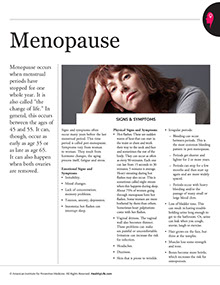
    Menopause occurs when menstrual periods have stopped for one whole year. It is also called “the change of life.” In general, this occurs between the ages of 45 and 55. It can, though, occur as early as age 35 or as late as age 65. It can also result when both ovaries are removed by surgery.

    Signs & Symptoms

    Signs and symptoms usually span 1 to 2 or more years. This is called peri-menopause. Symptoms vary from woman to woman. They result from hormone changes, the aging process itself, fatigue, and stress.

    Physical Signs and Symptoms

    *  Hot flashes. These are sudden waves of heat that can start in the waist or chest and work their way to the neck and face and sometimes the rest of the body. They can occur as often as every 90 minutes. Each one can last from 15 seconds to 30 minutes; 5 minutes is average. Seventy-five to 80% of women going through menopause have hot flashes. Some women are more bothered by them than others. Sometimes heart palpitations come with hot flashes.

    *  Vaginal dryness. The vaginal wall also becomes thinner. These problems can make sex painful or uncomfortable. Irritation can increase the risk for infection.

    *  Loss of bladder tone. This can result in stress incontinence (leaking urine when you cough, sneeze, laugh, or exercise).

    *  Headaches.

    *  Dizziness.

    *  The skin is more likely to wrinkle.

    *  Hair grows on the face, but thins at the temples.

    *  Muscles lose some strength and tone.

    *  Bones become more brittle. This increases the risk for osteoporosis.

    *  Irregular periods:

    – Bleeding can occur between periods. This is the most common bleeding pattern in peri-menopause.

    – Periods get shorter and lighter for 2 or more years.

    – Periods can stop for a few months and then start up again and are more widely spaced.

    – Periods occur with heavy bleeding and/or the passage of many small or large blood clots.

    Emotional Signs and Symptoms

    *  Irritability.

    *  Mood changes.

    *  Lack of concentration. Memory problems.

    *  Tension, anxiety, depression.

    *  Insomnia. Hot flashes can interrupt sleep.

    Causes

    Hormone changes that come with aging cause menopause. The body makes less estrogen and progesterone.

    Treatment

    Self-care may be all that is needed. Just estrogen can be prescribed. This is estrogen therapy (ET). Estrogen plus progestogen can be prescribed. This is called EPT. The term hormone therapy (HT) is used for both ET and EPT. Hormone therapy helps protect against osteoporosis, but has health risks. Each women should discuss the benefits and risks of HT and non-estrogen treatments with her doctor.

    Questions to Ask

    Self-Care / Prevention

    For Hot Flashes

    *  Wear lightweight clothes made of natural fibers, such as cotton.

    *  Limit or avoid alcohol. Limit caffeine.

    *  Have cool drinks, especially water, when you feel a hot flash coming on and before and after you exercise. Avoid hot drinks.

    *  Keep cool. Open a window. Lower the thermostat when the heat is on. Use air conditioning and/or fans. Carry a small fan with you.

    *  Try to relax when you get a hot flash. Getting stressed out over one only makes it worse.

    *  Use relaxation techniques, such as meditation, biofeedback or yoga.

    *  Follow your doctor’s advice for taking herbal products, such as black cohosh; vitamin supplements; over-the-counter menopause aids; and soy products.

    *  If you suffer from night sweats (hot flashes that occur as you sleep):

    – Wear loose fitting cotton nightwear. Have changes of nightwear ready.

    – Sleep with only a top sheet, not blankets.

    – Keep the room cool.

    For Vaginal Dryness and Painful Sex

    *  Don’t use deodorant soaps or scented products in the vaginal area.

    *  Use a water soluble lubricant, such as K-Y Liquid®, Replens®, etc. These make penetration easier during sex. Avoid oils or petroleum-based products. These promote infection.

    *  Ask your doctor about the benefits and risks of using estrogen (pills, patches, vaginal cream, or rings).

    *  Stay sexually active. Having sex often may lessen the chance of having the vagina constrict. It also helps to maintain natural lubrication and pelvic muscle tone. Reaching orgasm with a partner or alone gives these benefits.

    *  If you can, avoid using antihistamines. They dry mucus membranes in the body.

    For Emotional Symptoms

    *  Exercise regularly. This helps maintain hormonal balance.

    *  Talk to other women who have gone through or are going through menopause.

    *  Avoid stress as much as you can.

    *  To deal with stress, use relaxation techniques. Examples are meditation, yoga, listening to soft music, and massages.

    *  Eat healthy. Take vitamins and minerals, as advised.

    Resources

    National Women’s Health Information Center

    www.womenshealth.gov

    North American Menopause Society (NAMS)

    www.menopause.org

    Women's Self-Care book by the American Institute for Preventive Medicine. www.HealthyLife.com. All rights reserved.

    © American Institute for Preventive Medicine

  • Go Red To Manage Pain

    SELF-CARE CORNER

    Image of cherry juice.

    Tart cherries may help reduce chronic inflammation, especially for the millions of Americans suffering from joint pain and arthritis, according to research from Oregon Health & Science University. The researchers suggest tart cherries have the “highest anti-inflammatory content of any food” and can help people with osteoarthritis manage their disease.

    In a study of women ages 40 to 70 with inflammatory osteoarthritis, the researchers found that drinking tart cherry juice twice daily for three weeks led to significant reductions in important inflammation markers-especially for women who had the highest inflammation levels at the start of the study.

    Often thought of as “wear-and-tear” arthritis, osteoarthritis is the most common type of arthritis. Athletes are often at a greater risk for developing the condition, given their excessive joint use that can cause a breakdown in cartilage and lead to pain and injury, according to the Arthritis Foundation.

    Along with providing the fruit’s bright red color, the antioxidant compounds in tart cherries-called anthocyanins-have been specifically linked to high antioxidant capacity and reduced inflammation, at levels comparable to some well-known pain medications.

    Available every day of the year in dried, frozen, and juice forms, tart cherries are a versatile ingredient to include in any training or inflammation-fighting diet.

    © American Institute for Preventive Medicine

  • Women Traveling Alone: Safety Tips

    WELL-BEING

    Image of young women reading a map.

    Perhaps more than ever, women are willing to ditch their traveling companions and go solo when it comes time to hit the road and see the world. Many travel for business.

    Still, despite the trend, many women may worry that traveling alone can carry too many risks, making them a target for thieves, kidnappers,

    and other criminals.

    Barbara Foster, a veteran globetrotter and author of the book The Confessions of a Librarian: A Memoir of Loves, advises, “Sure, there are risky places and bad types out there. But with the right precautions, women can travel solo with confidence, visiting the places and meeting the people they always dreamed of and returning home with wonderful stories and memories.”

    *Steer clear of the most dangerous locales.Simply put, some places just aren’t worth the risk. Avoid “no go” neighborhoods, cities, and countries.

    *Connect with friendly contacts.Make yourself known not only to the US embassy or consul, but also to people in your field, Foster said. During her travels, Foster wrote articles about libraries she visited. Her fellow librarians were a  protective group.

    *Learn the language or at least useful phrases.Even if it’s just a few key words, speaking the language can come in handy if you need to seek help. Knowing what others are saying can also alert you to potential dangers.

    *Dress wisely, pay attention to manners, and spend money in moderation.Don’t draw needless attention to yourself. For added protection against thieves, Foster suggests carrying money and ID in a pouch under your shirt.

    *Travel in the US.You will miss many of the world’s must-see places, but if the thought of traveling abroad holds too much stress for you, it might be better to stick closer to home.

    © American Institute for Preventive Medicine