Author: AIPM

  • Mood-Boosting Foods

    HEALTHY EATING

    Fresh salad bowl.

    A healthy diet can have an effect on your brain. It can actually make you feel happy.

    Eat plenty of foods with omega-3 fats. These heart-healthy fats are found in fish, flaxseeds and walnuts, and may help reduce the risk of developing depression.

    Focus on the Mediterranean Diet. This diet includes lots of plant-based foods like fruits and vegetables, as well as olive oil, whole grains, fish, poultry, eggs and beans.

    Source: American Heart Association

    © American Institute for Preventive Medicine

  • Myths About Underactive Thyroid

    MEDICAL NEWS

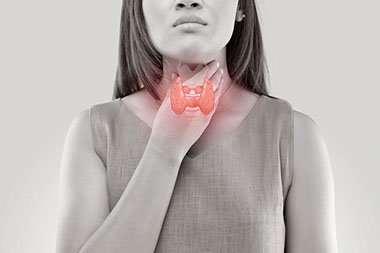
    Image of women holding her neck with an illustration of the thyroid gland on top.

    One of the most common thyroid problems is hypothyroidism, or underactive thyroid.

    Hypothyroidism means the thyroid gland isn’t making enough thyroid hormones. This can cause a number of symptoms, including:

    *  Fatigue

    *  Trouble with learning or remembering

    *  Dry hair, nails or skin

    *  Constipation

    *  Sore muscles

    *  Weight gain or bloating

    *  Heavy or irregular menstrual periods

    Although hypothyroidism is a common problem, there are many myths about it. Read on to learn about some common myths – and what you should know and hypothyroidism.

    Myth:You can’t lose weight if you have a thyroid problem.

    Fact:Many people can get to a healthy weight with hypothyroidism after getting on the proper dose of thyroid medication. They may need to work with a nutritionist or other health provider and get plenty of exercise. But losing weight is doable.

    Myth:You can’t get pregnant if you have hypothyroidism.

    Fact:Many women can get pregnant with an underactive thyroid. They should work with their doctor to make sure they are on thyroid medication that is safe and effective. It’s important to take thyroid medication consistently and carefully throughout pregnancy.

    Myth:Only older women have hypothyroidism.

    Fact:Thyroid problems can affect anyone, of any age. But women older than 60 years are at an increased risk for hypothyroidism.

    Myth:People with underactive thyroid need to take iodine.

    Fact:People with hypothyroidism should be on a medication that their doctor prescribes. Taking iodine supplements is usually not needed.

    Myth:High doses of thyroid medicine are better.

    Fact:Having too much thyroid hormone can lead to health problems like rapid heart rate, irregular heartbeat, bone loss and can even become life threatening. Work with your doctor to be sure your thyroid blood levels are within a healthy range.

    Myth:I can manage underactive thyroid with a healthy diet.

    Fact:A healthy diet is great for everyone, including people with underactive thyroid. However, even the best food choices cannot replace missing thyroid hormones. A person needs to take their thyroid medication as their doctor prescribes to replace these hormones.

    Source: American Association of Clinical Endocrinologists

    © American Institute for Preventive Medicine

  • Organic Food & The Dirty Dozen™

    HEALTHY EATING

    Varity of fruits.

    In recent decades, as organic foods became available, more people are asking if their fruits and vegetables need to be organic.

    At the moment, the debate about organic foods is ongoing. While there appears to be environmental benefits to organic farming practices, more research is needed to show how organic food impacts long-term health.

    Pros & cons of organic

    In order for a food to be certified “organic” by the USDA it must meet certain criteria. These include:

    *  No prohibited pesticides or synthetic fertilizers

    *  No hormones or antibiotics

    *  No GMOs or artificial preservatives

    *  Organic soil managment

    *  Animals provided natural conditions such as grass pastures

    *  Healthy water systems

    These standards generally result in farming practices that have less negative environmental impact. In addition, the absence of pesticides and hormones may benefit human health. But, for all the reasons organic food may be good, there is one big reason it can be out of reach: COST.

    When farmers practice organic techniques, it requires more time and effort, leading to higher food costs.

    Make organic affordable

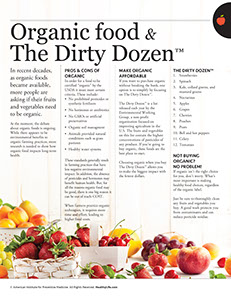
    If you want to purchase organic without breaking the bank, one option is to simplify by focusing on The Dirty Dozen™.

    The Dirty Dozen™ is a list released each year by the Environmental Working Group, a non-profit organization focused on improving agriculture in the U.S. The fruits and vegetables on this list contain the highest concentrations of pesticides of any produce. If you’re going to buy organic, these foods are the best place to start.

    Choosing organic when you buy The Dirty Dozen™ allows you to make the biggest impact with the fewest dollars.

    The Dirty Dozen™

    1.  Strawberries

    2.  Spinach

    3.  Kale, collard greens, and mustard greens

    4.  Nectarines

    5.  Apples

    6.  Grapes

    7.  Cherries

    8.  Peaches

    9.  Pears

    10. Bell and hot peppers

    11. Celery

    12. Tomatoes

    Not buying organic? No problem!

    If organic isn’t the right choice for you, don’t worry. What’s most important is making healthy food choices, regardless of the organic label.

    Just be sure to thoroughly clean any fruits and vegetables you buy. A good wash protects you from contaminants and can reduce pesticide residue.

    © American Institute for Preventive Medicine

  • Poison Prevention Starts At Home

    WELL-BEING

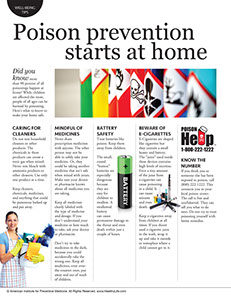
    Image of posion cans with warning labels.

    Did you know more than 90 percent of all poisonings happen at home? While children are affected the most, people of all ages can be harmed by poisoning. Here’s what to know to make your home safe.

    Caring for cleaners

    Do not mix household cleaners or other products. The chemicals in these products can create a toxic gas when mixed. Never mix bleach with ammonia products or other cleaners. Use only one product at a time.

    Keep cleaners, chemicals, medicines, and anything that could be poisonous locked up and put away.

    Mindful of medicines

    Never share prescription medicines with anyone. The other person may not be able to safely take your medicine. Or, they could be taking another medicine that isn’t safe when mixed with yours. Make sure your doctor or pharmacist knows about all medicines you are taking.

    Keep all medicines clearly labeled with the type of medicine and dosage. If you don’t understand your medicine or how much to take, ask your doctor or pharmacist.

    Don’t try to take medicines in the dark, because you could accidentally take the wrong one. Keep all medicines, even over-the-counter ones, put away and out of reach of children.

    Battery safety

    Treat batteries like poison. Keep them away from children.

    The small, round “button” batteries are especially dangerous because they are easy for children to swallow. A swallowed battery can cause permanent damage to the throat and even death within just a couple of hours.

    Beware of e-cigarettes

    E-Cigarettes are shaped like cigarettes but they contain a small heater and battery. The “juice” used inside these devices contains high levels of nicotine. Even a tiny amount of the juice from e-cigarettes can cause poisoning in a child. It can cause seizures and even death.

    Keep e-cigarettes away from children at all times. If you throw used e-cigarette juice in the trash, wrap it up and take it outside or someplace where a child cannot get to it.

    Know the number

    If you think you or someone else has been exposed to poison, call (800) 222-1222. This connects you to your local poison center. The call is free and confidential. They can tell you what to do next. Do not try to treat poisoning yourself with home remedies.

    © American Institute for Preventive Medicine

  • Positive Parenting Hacks

    FAMILY LIFE

    Parents with son, smile.

    Don’t focus on mistakes or bad behavior. Catch your child doing good things and point them out.

    Chores don’t have to be a punishment. Chores at home can help children learn life skills and independence.

    Spend a little time connecting each day. Take a few minutes to talk to your child without phones or screens.

    © American Institute for Preventive Medicine

  • Preparing For College Move-In

    FAMILY LIFE

    Female college student carring in a full bin of stuff.

    It’s time to send your young adult off for their first semester of college. Here are some tips to be sure they’re ready for move-in day.

    *Pack light.Only pack the basics you know they will use and plan to order additional items when needed.

    *Bring cleaning supplies.Have them handy when you first arrive.

    *Limit who helps with the move.College move-in can be chaotic, and the fewer people, the better.

    *Pack seasonally.Your college student won’t need a winter coat in August. Use vacuum seal bags for items that will be needed later.

    *Find the nearest drugstore, grocery store, and restaurants.Make sure your student knows how to access transportation to get there.

    *Bring lots of snacks.Move-in day can be physically as well as emotionally taxing. Make sure everyone stays well hydrated and fed so you can enjoy the day together.

    © American Institute for Preventive Medicine

  • Q&A: Diversity In The Workplace

    WORK LIFE

    A diverse group of co-workers sitting around at the office.

    Every workplace is part of a broader community of people. As such, it should reflect the diversity around it. A more diverse workplace benefits both the company and its employees.

    What is diversity?

    The practice of involving people from a variety of backgrounds, including race, gender, ethnicity, sexual orientation, religion, and disability.

    Why does it matter?

    To be effective, a workplace should reflect the diversity of its clients, local community, and broader society. When people from different backgrounds work together, they are ideally placed to provide efficient and equitable service.

    How does it benefit a company?

    Establishing policies that value diversity creates a corporate environment that promotes collaboration, innovation, and new perspectives.

    How does it help employees?

    Working in a diverse, inclusive environment allows each employee to rise to their full potential and maximize their skills. Diverse companies build on the unique strengths of each individual.

    © American Institute for Preventive Medicine

  • Questions About A1C Answered

    MEDICAL NEWS

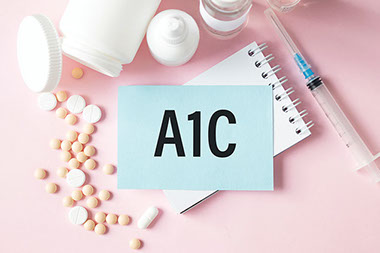
    Paper with A1C printed along with pills and syringe.

    Your A1C number is one of the most common markers your doctor may use to check for or monitor your blood sugar. For someone with diabetes or prediabetes, A1C is a crucial tool to assess your blood sugar management over time.

    Compared to blood glucose levels which measure how much sugar is in your blood at that exact moment, A1C gives a snapshot of your average blood glucose levels over about three months.

    What does A1C measure?

    A1C measures the percentage of red blood cells (or hemoglobin) in your blood that have glucose attached to them.

    It is normal for hemoglobin to pick up some glucose from the bloodstream. However, someone who has prediabetes or diabetes has too much glucose in their bloodstream. As a result, a higher percentage of hemoglobin in the blood will end up holding sugar.

    Because the lifespan of a hemoglobin cell is about 3-4 months, the A1C test can give a big picture look at your blood glucose control over time.

    What is an ideal A1C?

    In general, A1C levels fall into three categories:

    *  Normal: Under 5.7%

    *  Prediabetes: Between 5.7% and 6.4%

    *  Diabetes: Over 6.5%

    When it comes to an “ideal” A1C, that depends on your individual situation and the goals you set with your doctor. For people with diabetes, a common goal is for A1C to be below 7%. Talk to your doctor to find out your ideal A1C.

    Factors that influence A1C

    Anything that affects your blood glucose levels will impact your A1C. The most common factors include:

    *  Body weight – overweight or obesity interferes with blood sugar control.

    *  Nutrition – a poor diet can impair blood sugar regulation.

    *  Movement – a sedentary lifestyle increases your risk of prediabetes and diabetes.

    *  Iron deficiency anemia – can result in a falsely high A1C due to low total hemoglobin.

    *  Illness or stress – glucose levels are naturally high when physically or mentally stressed.

    Can I reduce my A1C?

    Yes. If your doctor tells you your A1C is high, they may recommend lifestyle changes to improve your blood glucose control.

    *  Exercise: Getting a minimum of 150 minutes of moderate to vigorous activity each week can improve your glycemic control.

    *  Weight loss: Studies have shown that losing 5% to 10% of body weight may modestly lower A1C.

    *  Eating a healthy diet: A mostly plant-based diet that is low in processed and junk foods is a good option for weight management and glycemic control.

    © American Institute for Preventive Medicine