Category: Sleep Well

  • Sweet Slumber

    Sleep Well

    Dream catcher.

    A good night’s sleep repairs your body and recharges your brain. Getting enough quality sleep is essential to your physical health and emotional well-being. Without it, you’re at risk for chronic disease, problems thinking, mental health issues, and obesity. If you’re not getting enough sleep, even 1-2 hours more per night can make a difference in your day-to-day functioning.

    The right amount of good quality sleep (7 to 9 hours for most adults) helps you be your best self.

    © American Institute for Preventive Medicine

  • You’re Built For Dreaming

    Sleep Well

    Small glass jar with rolled up paper and label with the word "dreams."

    Success starts with knowing what makes you tick, then mastering that passion. Ask yourself: What captivates me? What am I meant for?

    What do you dream of accomplishing in the next 5, 10 or 20 years? A new home? A new career? Financial freedom? We all aspire to greater things. How do you plan to get where you want to go? Start with these three steps.

    1. Write it down, and tell someone about it. You may be more likely to accomplish your goal.

    2. Do your homework and consult an expert. Learn about what it will take to get where you want to go.

    3. Identify any obstacles that stand in the way of your dreams. Then, take steps to remove them.

    © American Institute for Preventive Medicine

  • You’re Built For Rest

    Sleep Well

    Man resting in circle chair.

    Stress and anxiety can make life hectic and harder to keep a consistent sleep schedule. Try keeping a daily journal. Note how stress in life may impact your sleep at night.

    You can’t hope to succeed in other areas of health, if you neglect your nightly rest. Most adults need 7-9 hours of quality sleep each night. That means your body should move through the various sleep stages, including REM sleep. Here are four tips to get started:

    1. Maintain a consistent sleep and wake schedule – even on weekends.

    2. Make sure your mattress supports you well. Replace your pillow every year.

    3. Remove all electronic devices from your room. That includes your phone. Use an old-school alarm clock to wake up.

    4. Talk to your doctor about any sleep issues you have. They may point to other health problems.

    © American Institute for Preventive Medicine

  • 8 Healthy Sleep Habits

    Sleep Well

    Bed with blue bedding.

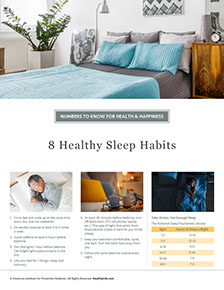
    1. Go to bed and wake up at the same time every day, even on weekends.

    2. Do aerobic exercise at least 3 to 4 times a week.

    3. Avoid caffeine at least 6 hours before bedtime.

    4. Dim the lights 1 hour before bedtime. Get bright light exposure early in the day.

    5. Use your bed for 2 things−sleep and intimacy.

    6. At least 30 minutes before bedtime, turn off electronics (TV, cell phone, laptop, etc.). The type of light that emits from these devices makes it hard for you to fall asleep.

    7. Keep your bedroom comfortable, quiet, and dark. Turn the clock face away from you.

    8. Follow the same bedtime routine every night.

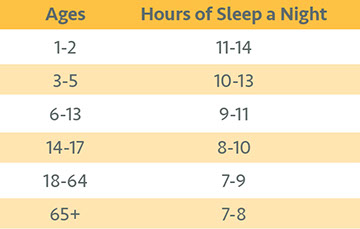
    Take Action: Get Enough Sleep

    The National Sleep Foundation advises:

    © American Institute for Preventive Medicine

  • 8 Ways To Get Better Quality Sleep

    Sleep Well

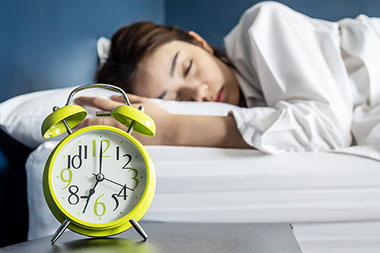
    Alarm clock on night stand with female sleeping on bed.

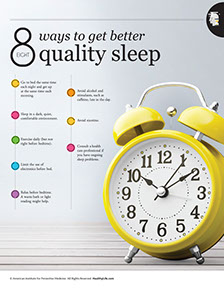
    1. Go to bed the same time each night and get up at the same time each morning.

    2. Sleep in a dark, quiet, comfortable environment.

    3. Exercise daily (but not right before bedtime).

    4. Limit the use of electronics before bed.

    5. Relax before bedtime. A warm bath or light reading might help.

    6. Avoid alcohol and stimulants, such as caffeine, late in the day.

    7. Avoid nicotine.

    8. Consult a health care professional if you have ongoing sleep problems.

    © American Institute for Preventive Medicine

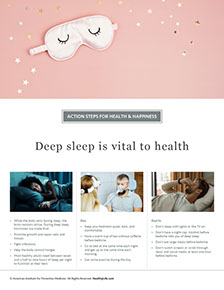
  • Deep Sleep Is Vital To Health

    Sleep Well

    Pink eye mask with closed eyes and gold stars around it.

    *  While the body rests during sleep, the brain remains active. During deep sleep, hormones are made that:

    *  Promote growth and repair cells and tissues

    *  Fight infections

    *  Help the body control hunger

    *  Most healthy adults need between seven and a half to nine hours of sleep per night to function at their best.

    Dos

    *  Keep your bedroom quiet, dark, and comfortable.

    *  Have a warm cup of tea without caffeine before bedtime.

    *  Go to bed at the same time each night and get up at the same time each morning.

    *  Get some exercise during the day.

    Don’ts

    *  Don’t sleep with lights or the TV on.

    *  Don’t have a night cap. Alcohol before bedtime robs you of deep sleep.

    *  Don’t eat large meals before bedtime.

    *  Don’t watch screens or scroll through news and social media at least one hour before bedtime.

    © American Institute for Preventive Medicine

  • Insomnia 4

    Sleep Well

    Image of woman in bed awake at 2:40am.

    Do You Have Insomnia?

    Answer these questions:

    1. Do you have trouble falling asleep?

    2. Do you have problems staying asleep?

    3. Do you wake up too early and can’t get back to sleep?

    4. Do any of these problems last at least 3 weeks?

    If you answered yes to number 4, answer these questions about problems that occur when you are awake:

    5. Do you feel like you do not get enough refreshing sleep?

    6. Do you yawn and feel tired?

    7. Do you lack energy or have fatigue?

    8. Do you have a hard time concentrating?

    9. Do you feel depressed and/or cranky?

    If you answered yes to question number 4 and yes to any question from number 5 through 9, you could have insomnia.

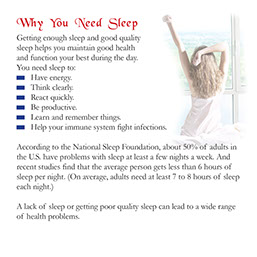
    Why You Need Sleep

    Getting enough sleep and good quality sleep helps you maintain good health and function your best during the day. You need sleep to:

    *  Have energy.

    *  Think clearly.

    *  React quickly.

    *  Be productive.

    *  Learn and remember things.

    *  Help your immune system fight infections.

    According to the National Sleep Foundation, about 50% of adults in the U.S. have problems with sleep at least a few nights a week. And recent studies find that the average person gets less than 6 hours of sleep per night. (On average, adults need at least 7 to 8 hours of sleep each night.)

    A lack of sleep or getting poor quality sleep can lead to a wide range of health problems.

    Health Problems from a Lack of Sleep

    *  Anxiety, depression, and alcohol abuse.

    *  Obesity.

    *  Heart disease.

    *  High blood pressure.

    *  Diabetes.

    *  Stroke.

    *  Gum disease.

    *  Accidents and an increased risk for injury and death. About 20% of all serious car crashes are linked to driver sleepiness. Also, workers with severe insomnia make 2½ times more serious work errors than persons who get proper sleep.

    Getting enough, quality sleep is as vital to good heath and long life as are healthy eating and regular exercise.

    Do’s & Don’ts for Insomnia

    Do’s

    *  Do regular exercise daily. Physical activity releases muscle tension, relieves anger, and improves mood.

    *  Do mild exercises four or more hours before bedtime.

    *  Do relaxation exercises as needed throughout the day and before you go to bed.

    *  Follow a regular daily schedule for meals and snacks.

    *  Choose larger meals at breakfast and lunch than at dinner. At each meal, have complex carbohydrate foods, such as whole-grain breads and cereals, fruits and vegetables.

    *  Limit caffeine to 300 milligrams (mgs.) a day. More than 500 to 600 mgs. a day may cause you to be anxious, nervous, and makes it harder to sleep well.

    *  Cut down on caffeine gradually. Daily usage of caffeine can result in physical dependence. If caffeine is stopped abruptly, withdrawal symptoms can occur. These include headache, feeling down, having a hard time concentrating, and fatigue.

    Don’ts

    *  Don’t do vigorous exercise within six hours of going to bed.

    *  Don’t have large meals near bedtime. These may keep you awake, especially if you have heartburn or a similar problem.

    *  Don’t have caffeine for 6 hours before bedtime.

    HealthyLife SleepWell by the American Institute for Preventive Medicine. www.HealthyLife.com. All rights reserved.

    © American Institute for Preventive Medicine

  • Lights Out

    Sleep Well

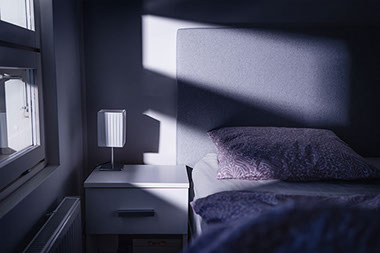
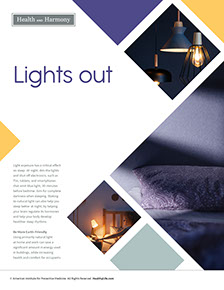
    Window light hitting the bed.

    Light exposure has a critical effect on sleep. At night, dim the lights and shut off electroncis, such as TVs, tablets, and smartphones that emit blue light, 30 minutes before bedtime. Aim for complete darkness when sleeping. Waking to natural light can also help you sleep better at night, by helping your brain regulate its hormones and help your body develop healthier sleep rhythms.

    Be More Earth-Friendly

    Using primarily natural light at home and work can save a significant amount in energy used in buildings, while increasing health and comfort for occupants.

    © American Institute for Preventive Medicine

  • Reap The Benefits Of Sleep

    Sleep Well

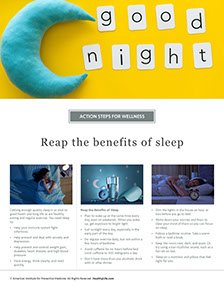
    Blue eye mask, alarm clock and glass of water.

    Getting enough quality sleep is as vital to good heath and long life as are healthy eating and regular exercise. You need sleep to:

    *  Help your immune system fight infections.

    *  Help prevent and deal with anxiety and depression.

    *  Help prevent and control weight gain, diabetes, heart disease, and high blood pressure.

    *  Have energy, think clearly, and react quickly.

    Reap the Benefits of Sleep

    *  Plan to wake up at the same time every day, even on weekends. When you wake up, get exposure to bright light.

    *  Get sunlight every day, especially in the early part of the day.

    *  Do regular exercise daily, but not within a few hours of bedtime.

    *  Avoid caffeine for six hours before bed. Limit caffeine to 300 milligrams a day.

    *  Don’t have more than one alcoholic drink with or after dinner.

    *  Dim the lights in the house an hour or two before you go to bed.

    *  Write down your worries and fears to clear your mind of them so you can focus on sleep.

    *  Follow a bedtime routine. Take a warm bath or read a book.

    *  Keep the room cool, dark, and quiet. Or, try using a low rhythmic sound, such as a fan set on low.

    *  Sleep on a mattress and pillow that feel right for you.

    © American Institute for Preventive Medicine

  • Be Mindful Of…Setting Up For Sleep

    Sleep Well

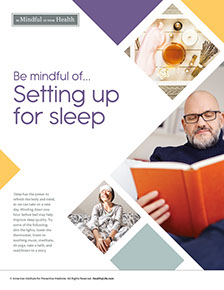
    Man reading a book.

    Sleep has the power to refresh the body and mind, so we can take on a new day. Winding down one hour before bed may help improve sleep quality.

    Try some of the following:

    *  Dim the lights

    *  Lower the thermostat

    *  Listen to soothing music

    *  Meditate

    *  Do yoga

    *  Take a bath

    *  Read/listen to a story

    © American Institute for Preventive Medicine