Category: Healthy Eating

  • Get Grilled On Safety Tips

    HEALTHY EATING

    Man grilling food outside.

    Metal grill brushes pose dangers

    If you’ve ever used a grill, you know that it needs to be cleaned. Many people reach for a metal wire grill brush to remove stuck-on food and debris. But this could be a dangerous mistake.

    The American Medical Association says that wire grill brushes were responsible for more than 1,600 emergency room visits in just one year. These brushes have metal bristles that can break off and stick to the grill. They may be too small to see, so you don’t know they’re there. When you cook food on your grill, the tiny bristles can stick to the food.

    If someone accidentally swallows one of these metal bristles, they can be seriously injured. The bristles can cut the inside of the mouth, throat or tonsils. This could require emergency surgery.

    If you use a wire brush to clean the grill, be sure to wipe the grill off with a cloth afterward. Check the underside of the grill and lid for any bristles too.

    You can also avoid using wire brushes altogether. Instead, soak the grill parts in soapy water and clean with a sponge or a paint scraper. Some people use a ball of aluminum foil to scrape the grill.

    Be safe with your grill

    *  Propane (gas) and charcoal grills should only be used outside. Never use them inside a garage, barn or other building.

    *  Keep the grill well away from your deck railings, tree branches and house.

    *  Don’t let children or pets near the grill.

    *  Open the gas grill lid before lighting it.

    *  Keep charcoal fluid out of reach of children and pets.

    *  Do not add charcoal fluid or other flammable liquids to a fire. Use it only to get the grill started.

    *  Let charcoal cool completely before throwing it away.

    Source: National Fire Protection Association

    © American Institute for Preventive Medicine

  • Meet Your Protein Needs

    HEALTHY EATING

    Hands holding tempeh buddha bowl. Marinated tempeh in marinade with rice, steamed broccoli, avocado.

    Protein is an essential nutrient necessary for growth and for the body to function properly. Every single cell in your body contains protein.

    Eating enough protein ensures your body has all the building blocks it needs to keep you strong and healthy. But, how much is enough? Too little protein puts you at risk for a deficiency, and too much protein may create an imbalance in your diet.

    Calculate your needs

    The amount of protein you need depends on your height, weight, sex, age, and activity level. In addition, there are certain times of life when protein needs are higher. Children, teens, pregnant women, and anyone healing from an injury require extra protein for growth and repair.

    The average, healthy adult can use this formula to determine their baseline protein needs.

    *  Divide your body weight in pounds by 2.2 (this converts it to kilograms).

    *  Multiply that number by 0.8 -1.

    *  This number range gives you a rough estimate of your daily protein needs.

    Eat a variety

    Protein is made up of amino acids, the building blocks your body uses to create the specific proteins each cell requires. Different foods contain different amino acids, so eating a variety of protein-containing foods will ensure you get all the amino acids your body needs.

    In particular, if you eat a vegetarian or vegan diet, aim to consume as many different protein sources as possible.

    High protein foods

    It’s easy to meet your protein needs if you choose a serving of protein-containing food at each meal and some snacks each day.

    © American Institute for Preventive Medicine

  • Recipe: 2-Step Chicken

    HEALTHY EATING

    Plate with cooked chicken breast with a side of cooked tomatos and onion.

    Ingredients

    *  1 tablespoon vegetable oil

    *  2 boneless chicken breasts

    *  1 can cream of chicken soup (10 ounces)

    *  dash of pepper

    *  1/2 cup water

    Directions

    *  Heat oil in a skillet at a medium-high setting.

    *  Add chicken and cook for ten minutes.

    *  Remove chicken from pan and set aside.

    *  Stir the soup and water together in the skillet and heat it to a boil.

    *  Return the chicken to the skillet. Reduce the heat to low and simmer for an additional 10 minutes, or until the chicken reaches an internal temperature of 165°F.

    Nutrition Facts: Servings 4; Calories 181; Total fat 10 g; Saturated fat 2 g; Sodium 537 mg; Total fiber 0; Protein 12 g; Carbohydrates 5 g.

    Source: U.S. Department of Agriculture

    © American Institute for Preventive Medicine

  • Slow Cooker Harvest Beef Stew

    HEALTHY EATING

    A bowl of beef stew.

    Ingredients

    *  1 pound bottom round beef roast (cut into 1-inch cubes)

    *  1 large russet potato, cut into 1/2-inch dice (about 2 cups)

    *  1/4 cup all-purpose flour

    *  1 medium sweet potato, cut into 1/2-inch dice  (about 2 cups)

    *  2 cups thinly sliced carrots

    *  10-ounce package frozen pearl onions

    *  14.5-ounce can no-salt-added diced tomatoes

    *  14.5-ounce can fat-free, low-sodium beef broth

    *  1 cup water

    *  3/4 teaspoon dried thyme

    *  1/2 teaspoon ground pepper

    *  10-ounces frozen peas

    *  2 tablespoons dried parsley

    Directions

    1.  Add the beef, russet potato, and flour to a 4- to 6-quart slow cooker, stirring well to combine.

    2.  Add the sweet potato and carrots to the slow cooker. Top with the onions, tomatoes, broth, water, thyme and pepper.

    3.  Cook, covered, for 10 to 12 hours on low heat or 5 to 6 hours on high heat. Just before serving, quickly stir in the peas and parsley. Re-cover. Cook for 5 to 10 minutes.

    Note: You can use other lean cuts of beef like bottom eye roast, lean stew meat or top round.

    Nutrition Facts: 6 servings. Calories 311; Total fat 4 g; Saturated fat 2 g; Sodium 211 mg; Total fiber 7 g; Protein 24 g; Carbohydrates 42 g.

    Source: American Heart Association

    © American Institute for Preventive Medicine

  • Food For The Brain

    HEALTHY EATING

    Women in kitchen with fresh food on counter.

    Mental health may seem like it’s all about thoughts and feelings, but your diet plays a role in how your brain functions. Your food choices may contribute to declining mental health. On the flip side, a quality diet may help manage mental health struggles. For optimal mental health, what you eat matters.

    Good nutrition helps

    A wealth of research supports the benefits of a whole-food, plant-based diet for optimal health. This applies to mental health, too. When you choose a plant-based diet, your brain works at its best. A quality diet:

    *  Provides necessary nutrients for normal brain function

    *  Supports the health of the gut microbiome, which connects to the brain and influences mood

    *  Promotes resilience to stress

    *  Provides consistent energy to feel alert and productive

    *  Supplies essential nutrients to produce hormones and neurotransmitters that influence how you feel

    Poor nutrition can hurt

    The average Western diet is high in saturated fats, added sugars, and processed foods. These foods negatively impact your health and, over time, increase your risk of chronic diseases, including mental health conditions. Too much poor-quality food and too little nutritious food is bad for your brain. Poor diet:

    *  Promotes a chronic inflammatory state in the body

    *  Contributes to oxidative stress in the brain

    *  Worsens mood disorders

    *  Disrupts the balance of mood-boosting hormones

    *  Increases appetite and food cravings

    Good nutrition for your brain

    In a plant-based diet, fruits, vegetables, whole grains, nuts, seeds, beans, and lentils should form the base of your meals. Lean animal foods such as chicken, fish, eggs, and low-fat dairy provide healthy protein in small portions.

    Try these tips to eat well for your brain:

    *  Begin your day with a high-fiber bowl of oatmeal or other whole grain with fruit.

    *  Snack on raw vegetables, fruit, or a small handful of nuts or seeds.

    *  Choose healthy oils when cooking, such as olive and avocado oil.

    *  Limit sugary beverages and choose plain or flavored water most often.

    *  Add dark leafy greens to salads, soups, smoothies, and entrees for a boost of nutrients.

    © American Institute for Preventive Medicine

  • Brown Rice Pilaf

    HEALTHY EATING

    Image of brown rice in a bowl.

    Brown rice and almonds are both good sources of magnesium. They also offer fiber and protein. This simple side dish can be a meatless main dish, paired with a green salad and some fruit.

    Ingredients

    1 ½ cups brown rice (rinsed)

    3 cups water

    ¼ cup almonds (chopped)

    1 teaspoon parsley (dried)

    ½ teaspoon garlic powder

    ¼ teaspoon black pepper

    Directions

    1.  Place all ingredients in a rice cooker and cook until the water evaporates, about 30 minutes. You can also cook rice on the stovetop as directed on the package.

    2.  Fluff cooked rice with a fork. Add almonds, parsley, garlic powder and black pepper.

    Nutrition Facts: Serving size: 1 cup, 1/4 of recipe. Calories 320; Total Fat 8 g; Saturated Fat 1 g; Cholesterol 0 mg; Sodium 53 mg; Total Carbohydrate 56 g; Dietary Fiber 5 g; Protein 8 g

    Source: What’s Cooking? USDA Mixing Bowl

    © American Institute for Preventive Medicine

  • Do Detox Diets Work?

    HEALTHY EATING

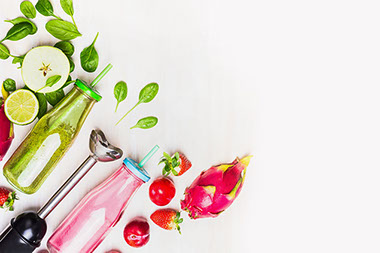
    Two different detox drinks.

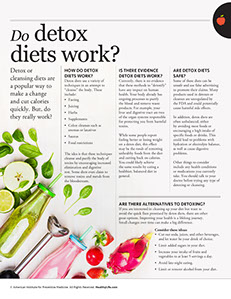
    Detox or cleansing diets are a popular way to make a change and cut calories quickly. But, do they really work?

    How do detox diets work?

    Detox diets use a variety of techniques in an attempt to “cleanse” the body. These include:

    *  Fasting

    *  Juicing

    *  Herbs

    *  Supplements

    *  Colon cleanses such as enemas or laxatives

    *  Saunas

    *  Food restrictions

    The idea is that these techniques cleanse and purify the body of toxins by encouraging increased elimination and digestive rest. Some diets even claim to remove toxins and metals from the bloodstream.

    Is there evidence detox diets work?

    Currently, there is no evidence that these methods to “detoxify” have any impact on human health. Your body already has ongoing processes to purify the blood and remove waste products. For example, your liver and digestive tract are two of the organ systems responsible for protecting you from harmful toxins.

    While some people report feeling better or losing weight on a detox diet, this effect may be the result of removing unhealthy foods from the diet and cutting back on calories. You could likely achieve the same results by eating a healthier, balanced diet in general.

    Are detox diets safe?

    Some of these diets can be unsafe and use false advertising to promote their claims. Many products used in detoxes or cleanses are unregulated by the FDA and could potentially cause harmful side effects.

    In addition, detox diets are often unbalanced, either by avoiding most foods or encouraging a high intake of specific foods or drinks. This could lead to problems with hydration or electrolyte balance, as well as cause digestive problems.

    Other things to consider include any health conditions or medications you currently take. You should talk to your doctor before trying any type of detoxing or cleansing.

    Are there alternatives to detoxing?

    If you are interested in cleaning up your diet but want to avoid the quick fixes promised by detox diets, there are other great options. Improving your health is a lifelong journey. Small changes over time can make a big difference.

    Consider these ideas:

    *  Cut out soda, juices, and other beverages, and let water be your drink of choice.

    *  Limit added sugars in your diet.

    *  Increase your intake of fruits and vegetables to at least 5 servings a day.

    *  Avoid late-night eating.

    *  Limit or remove alcohol from your diet.
    © American Institute for Preventive Medicine
  • Get More Of These 4

    HEALTHY EATING

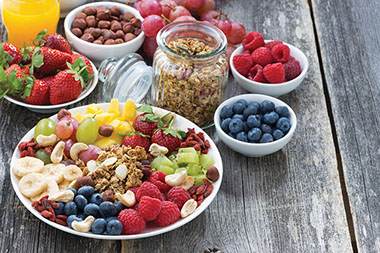
    Dishes filled with berries, nuts and fruits.

    The 2015-2020 Dietary Guidelines for Americans state that four nutrients are a “public health concern.” Many people are not getting enough:

    *  Calcium

    *  Fiber

    *  Potassium

    *  Vitamin D

    Try these tips to get more:

    1.  Eat more vegetables, fruits and legumes. These foods are rich sources of fiber and potassium. High-fiber bran cereal and shredded wheat also pack a fiber punch.

    2.  Eat more yogurt and drink milk. Both are good sources of calcium, potassium and vitamin D. Avoid sweetened yogurt. Instead, buy plain yogurt and add fresh fruit.

    3.  Eat seafood that’s high in vitamin D. This includes salmon, trout, whitefish, herring and tuna. Pregnant and nursing women should ask a doctor how much seafood they can eat.

    4.  Consider healthy foods that have vitamin D added, like soy milk, orange juice, dairy products and cereals.

    © American Institute for Preventive Medicine
  • Mindful Eating Can Boost Your Health

    HEALTHY EATING

    Women eating with friends.

    If you want to eat healthier without a strict diet, try mindful eating. Mindful eating is a way to fully focus on your food as you eat. When you eat mindfully, you may:

    *  Eat less

    *  Avoid eating when you’re bored or stressed

    *  Stop when you feel full

    When you practice mindful eating, you eat more slowly. You’ll enjoy your food more without overeating.

    How to do it

    You don’t need any special equipment or classes to practice mindful eating. Take these steps at your next meal:

    *Avoid distractions:Make your meals an event. Don’t eat while driving, working, watching TV or doing other activities.

    *Ask yourself how you feel:Are you actually hungry? Or are you thirsty, bored, stressed or lonely?

    *Leave some space:If you’re used to filling your plate, leave about a quarter of your plate empty for now. You can always go back for seconds if you are still truly hungry.

    *Chew slowly:Take small bites. Put your fork, spoon and knife down between every bite.

    *Enjoy:Experience the smell, taste and texture of your food with each bite.

    *Watch the time:Wait at least 20 minutes before you get another helping. By then, your stomach may realize it’s full.

    *Know when to stop:When you’re full, stop eating. You don’t need to clean your plate.

    Sources: American Heart Association, Veterans Health Administration

    © American Institute for Preventive Medicine
  • Baked Chicken Nuggets

    HEALTHY EATING

    Chicken nuggets on a cutting board.

    Ingredients

    *  1-1/2 pounds boneless, skinless chicken tenders

    *  1 cup cornflakes

    *  1 teaspoon paprika

    *  1/2 teaspoon Italian herb seasoning

    *  1/4 teaspoon garlic powder

    *  1/4 teaspoon onion powder

    Directions

    1.  Place cornflakes in a plastic bag and crush with a rolling pin.

    2.  Add seasonings to crushed cornflakes. Close bag tightly and shake until blended.

    3.  Add a few chicken tenders at a time to crumb mixture. Shake to coat evenly.

    Conventional Oven

    1.  Preheat the oven to 400˚F. Lightly grease a cooking sheet.

    2.  Place chicken pieces on cooking sheet so they are not touching.

    3.  Bake until golden brown, about 12 to 14 minutes.

    Microwave

    1.  Lightly grease an 8- by 12-inch baking dish.

    2.  Place chicken pieces on baking dish so they are not touching. Cover with parchment paper and cook on high for 6 to 8 minutes, rotating the chicken every 2 minutes.

    Nutritional Information: Serves 4

    Per serving: 175 calories, 8 g total fat, 2 g saturated fat, 127 mg sodium, 7 g carbohydrates, 1 g dietary fiber, 18 g protein.

    © American Institute for Preventive Medicine