Category: Healthy Eating

  • Slow Cooker Tips For Busy Days

    HEALTHY EATING

    Slow cooker on counter.

    A slow cooker can be a handy kitchen tool. It can help you get dinner on the table on busy nights. They don’t take a lot of prep time or expert cooking skills to use. Plus, they are less expensive than other cooking devices.

    Here’s how to use a slow cooker to your advantage:

    1.Set it up the night before.Add all your ingredients to the insert in the evening and put it in the refrigerator. The next morning, put the insert in the cooker, turn it on, and go! If it doesn’t have a removable insert, simply put the ingredients into a big bowl instead. Then transfer it into the cooker in the morning.

    2.Check the temperature.Before serving any food, use a food thermometer to be sure it’s fully cooked.

    3.Hands off.Don’t open a slow cooker lid during cooking. This releases a lot of heat, which can interfere with proper cooking.

    4.Thaw meat in the fridge first.The low, slow cooking process may not get the meat hot enough for safety. Always thaw meats first by putting them in the refrigerator 24 to 48 hours before you cook them.

    5.Layers matter.Tough, dense vegetables and starches like potatoes and winter squash can go on the very bottom of the cooker. They won’t get too soft or mushy. However, softer vegetables like spinach, broccoli and peas should not go on the bottom.

    6.Add quick finishes.When it’s time for dinner, add some fresh herbs or flavors like lemon juice. Throw together a quick side dish, like microwaving some frozen vegetables. Or, cut up a fruit salad the night before and have it ready to go!

    7.Use cheaper meats.You can buy tougher cuts of meat, which cost less. Then slow cook them for several hours and you’ll get tender results.

    © American Institute for Preventive Medicine
  • Brussels Sprouts: A Winter Veggie Powerhouse

    HEALTHY EATING

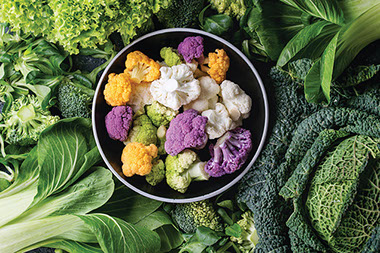
    Brussels spouts in red bowl.

    Brussels sprouts may have a reputation for being the vegetable your mother made you eat. But there’s plenty of reasons that adults and kids alike should eat their Brussels sprouts. Their peak season is fall to winter, so now is a good time to try them.

    Why eat Brussels sprouts?

    Brussels sprouts belong to the cruciferous vegetable family. Other cruciferous vegetables include broccoli, cauliflower, kale and cabbage.

    Like other veggies, brussels sprouts are low in calories and packed with nutrients. They also have plenty of fiber to help with digestion. Fiber may also help you feel fuller, longer.

    Brussels sprouts also have some special health benefits. They may play a role in reducing the risk of developing cancer.

    How to cook brussels sprouts

    Brussels sprouts are versatile and can be roasted, used in casseroles, salads and even on pizza. Many people can find a way to cook them that agrees with their tastes.

    A popular way to roast them is to toss them with honey, lemon juice or dried fruit for a sweet side dish. But brussels sprouts also work well with savory flavors like parmesan cheese or garlic.

    Nutrition

    One half cup of cooked Brussels sprouts contains just 28 calories. It also contains 2 grams of fiber and very little fat and carbohydrates. Brussels sprouts are a good source of many important nutrients, including vitamins A and C. These vitamins are antioxidants, which help fight inflammation and some diseases.

    In addition, Brussels sprouts are packed with vitamin K, which is important for blood clotting and healthy bones. Brussels sprouts contain important minerals like iron, magnesium and phosphorus. And finally, they contain heart-healthy omega-3 fats.

    If you haven’t eaten Brussels sprouts in a while, give them a try. They make a nutritious and delicious addition to any diet.

    Sources: Academy of Nutrition and Dietetics, National Institutes of Health, US Department of Agriculture

    © American Institute for Preventive Medicine
  • Does Tea Make You Healthier?

    HEALTHY EATING

    A cup of tea.

    There are many claims about the health benefits of tea. Here are the facts we know:

    *  Tea contains small amounts of minerals. But it’s not enough to meet your needs. Eat a balanced diet with fruits, vegetables, whole grains and lean protein.

    *  There is no solid evidence that tea can help with weight loss. Be wary of “weight loss teas,” as some may contain harmful ingredients.

    *  Tea contains antioxidants. They may help lower the risk of some health problems. Green tea and matcha tea may contain more polyphenols than other types of tea. Experts don’t know for sure that tea will prevent or cure any diseases, though.

    *  Processed teas and tea powders don’t contain as many antioxidants as fresh tea. Use tea leaves and tea bags for the most antioxidants.

    Tea can be part of a healthy eating plan. Steep your own tea and skip the added sugar.

    Sources: Academy of Nutrition and Dietetics, U.S. Food and Drug Administration

    © American Institute for Preventive Medicine
  • Give Swiss Chard A Try

    HEALTHY EATING

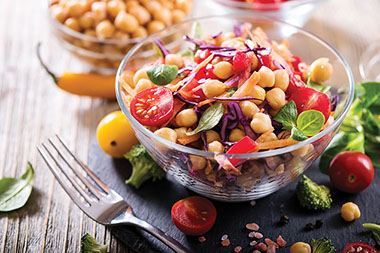
    Swiss chard wraps.

    When it comes to leafy greens, spinach and kale get most of the attention. But leafy greens are so nutritious. Why limit yourself to just two types?

    Swiss chard has less bitterness than kale, and offers plenty of important nutrients. Plus, this time of year, swiss chard is plentiful at farmers’ markets or the local grocery store. It can be used like any greens:

    *  Raw in a salad

    *  Sautéed or steamed

    *  Added to pasta  and soups

    Here’s more about swiss chard’s nutritional benefits:

    *  Rich in magnesium, potassium, vitamin A, vitamin C, several B vitamins and iron.

    *  One cup (chopped) contains more than 700 percent of your recommended daily intake of vitamin K, which is needed for bone health and blood clotting.

    *  Each cup contains only 35 calories and nearly 4 grams of fiber. Talk about a low-calorie and nutritious punch!

    Source: USDA Nutrient Database

    © American Institute for Preventive Medicine
  • Mood-Boosting Foods

    HEALTHY EATING

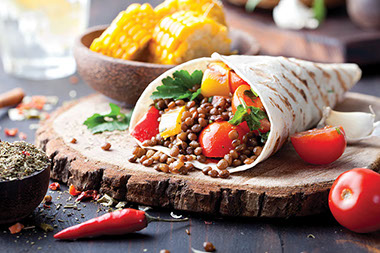
    Fresh salad bowl.

    A healthy diet can have an effect on your brain. It can actually make you feel happy.

    Eat plenty of foods with omega-3 fats. These heart-healthy fats are found in fish, flaxseeds and walnuts, and may help reduce the risk of developing depression.

    Focus on the Mediterranean Diet. This diet includes lots of plant-based foods like fruits and vegetables, as well as olive oil, whole grains, fish, poultry, eggs and beans.

    Source: American Heart Association

    © American Institute for Preventive Medicine
  • Recipe: Banana Walnut Oatmeal

    HEALTHY EATING

    Bowl of banana walnut oatmeal.

    Ingredients

    *  2 cups fat-free or low-fat milk

    *  1 dash salt

    *  2 cups oats (quick-cooking)

    *  2 bananas (very ripe, mashed)

    *  2 tablespoons maple syrup

    *  2 tablespoons walnuts (chopped)

    Directions

    1.  In a small saucepan, combine milk and salt. Heat over medium heat until steaming hot but not boiling.

    2.  Add oats and cook, stirring until creamy, 1 to 2 minutes.

    3.  Remove the pan from heat and stir in mashed banana and maple syrup. Divide between 4 bowls. Sprinkle with chopped walnuts and serve.

    Nutrition Information: Serves 4: Total calories 292 kcals, total fat 6 g, saturated fat 1 g, sodium 118 mg, carbohydrates 52 g, fiber 5 g, protein 11 g.

    Source: MyPlate.gov

    © American Institute for Preventive Medicine
  • Tea Time: Is Tea Good For You?

    HEALTHY EATING

    A tea pot with two cups of tea and lemons.

    Many people drink tea every day. The most popular teas are black, green and oolong. Matcha tea is also becoming more popular.

    Black, green, oolong and matcha teas come from a plant known as Camellia sinensis. Each of these teas looks and tastes different because of how they are processed.

    Caffeine content

    Tea, like coffee, naturally contains caffeine and can be different in each cup. If you steep your tea longer, it will have more caffeine than a quick steep.

    Estimates of the caffeine content per 8-ounce cup:

    *  Coffee: 95 milligrams

    *  Black tea: 48 milligrams

    *  Oolong tea: 38 milligrams

    *  Green tea: 29 milligrams

    *  Decaffeinated tea: Very small amounts

    Some tea packages will tell you how much caffeine it contains. Look for this on the product label.

    Watch your caffeine intake

    You can still drink too much caffeine from tea if you’re not careful. Too much caffeine can make you feel nervous or shaky. It can also make it hard for you to sleep.

    Most healthy adults can tolerate up to 400 milligrams of caffeine each day. People who are more sensitive to caffeine may need to consume much less than this amount.

    Decaf teas are a good option if you love tea but want to cut back on caffeine. They still contain only small amounts of caffeine.

    Are herbal teas really “tea”?

    Herbal teas are not made from the tea plant Camellia sinensis. Instead, they are made from the roots, leaves, flowers and other parts of certain plants.

    For instance, chamomile tea is made from chamomile flowers. Peppermint and spearmint teas are made from the plant’s leaves.

    Herbal teas don’t contain any caffeine. They are usually safe in regular amounts. But ask a doctor before you consume herbal tea if you are taking medicine or have any health conditions. These teas can interfere with some medications or cause side effects in some people.

    © American Institute for Preventive Medicine
  • Add Barley To Your Diet

    HEALTHY EATING

    Bowl of cooked barley.

    If you’ve never cooked with barley before, fear not. It’s as easy to prepare as rice or oatmeal and just as delicious.

    Barley can easily be added to soups and salads or substituted for rice in dishes, such as stir fry and curry. So grab yourself some whole grain barley and get cooking.

    Ingredients

    *  1 cup hulled barley

    *  3 cups water or broth

    *  Pinch of salt (optional)

    Directions

    1.  In a large saucepan, combine the barley and water. Add a pinch of salt if desired.

    2.  Bring to a boil over medium-high heat.

    3.  Once it has boiled, lower the heat to a simmer. Cook for 40-50 minutes until the barley is tender but chewy.

    4.  Remove from heat and allow the barley to sit for a few minutes to soak up any extra water.

    5.  Drain any excess water if needed.

    6.  Fluff with a fork and enjoy!

    © American Institute for Preventive Medicine
  • Busting Diet Myths

    HEALTHY EATING

    Salad bowl.

    Losing weight can be challenging. It means you have to change your eating and exercise habits. But does it mean you have to give up all the foods you love?

    Many myths about a healthy diet can make the task harder than it needs to be. But the truth is, you can change your diet for the better and still enjoy your food.

    Learn to recognize these common diet myths. You can make a healthy change to your eating habits.

    Myth:Dieting means I can’t eat my favorite foods.

    Fact:You can use moderation to still enjoy your favorite foods. Moderation means you can have a small amount once in a while. It means you may have to cut back, but you don’t have to give it up.

    Having your favorite high-calorie foods in small amounts can be fine for most people. A small piece of cake at a birthday party or a little piece of dark chocolate can still fit into your healthy eating plan.

    Myth:To lose weight, you have to give up breads, pasta and other grains.

    Fact:Many grains can be part of your healthy diet. You should limit refined, processed grains like white bread and white pasta. But whole grains contain fiber and nutrients you need. Examples of healthy grains include:

    *  Whole wheat bread and pasta

    *  Brown rice

    *  Quinoa

    *  Oats

    Read the nutrition label on whole grain products to help avoid high-calorie choices and added sugars.

    Myth:Gluten-free foods are healthier options for weight loss.

    Fact:Only people who have celiac disease or sensitivities to gluten need to avoid gluten.

    Just because a food says it is “gluten-free” does not mean it’s healthier or has fewer calories than a food that contains gluten. In fact, if you avoid gluten, you could miss out on important nutrients. See a doctor if you think you have a gluten sensitivity.

    Myth:You should avoid fat to lose weight.

    Fact:Some fat in your food is necessary and healthy. Try to eat foods that contain healthy monounsaturated or polyunsaturated fats. Eating small amounts of healthy fat can even help you feel full.

    These foods contain healthy fats that are important for overall health:

    *  Olive oil

    *  Avocadoes

    *  Nuts

    *  Seeds

    *  Eggs

    *  Salmon, trout

    Source: National Institute of Diabetes and Digestive and Kidney Diseases

    © American Institute for Preventive Medicine