Category: Medical News

  • Bad Air Day

    MEDICAL NEWS

    Image of women sneezing.

    Ozone. It’s an invisible gas but it pollutes the air and may make it harder for you to breathe.

    Ozone is created when sunlight triggers a chemical reaction between oxygen-containing molecules and pollution that comes from cars, power plants, factories, and other sources, says the NIH News in Health. Hot weather is one of the triggers for the creation of ozone. It’s not as much of a problem in winter, say the NIH scientists.

    High levels of ozone might cause you to cough or have throat irritation. Your eyes might water, and you may have trouble breathing. The ozone irritates the lining of your airways and lungs. If you have a lung condition such as asthma, the damage can be greater.

    Adjust your activities on a bad air day to reduce your exposure to air pollution and stay indoors. Limit outdoor activities. Even if you’re in good health, mow the lawn or take a run or walk later in the evening or first thing in the morning. Ozone levels tend to peak between mid-afternoon and early evening. You can track air quality atwww.airnow.gov.

    © American Institute for Preventive Medicine

  • Ebola Facts

    MEDICAL NEWS

    Illustration of ebola symptoms.

    Although the risk of Ebola spreading in the U.S. is low, the CDC offers this information about a scary disease. A person infected with Ebola-a disease outbreak in countries in West Africa and isolated cases in the U.S.-can’t spread the disease until symptoms appear.

    The time from exposure to when signs or symptoms of the disease appear (called the incubation period) is 2 to 21 days, but the average time is 8 to 10 days. Signs of Ebola include fever (higher than 101.5ºF) and severe headache, muscle pain, vomiting, diarrhea, stomach pain, or unexplained bleeding or bruising.

    Ebola is spread through direct contact with blood and body fluids.

    Ebola is spread through direct contact (through broken skin or through your eyes, nose, or mouth) with:

    *  Blood and body fluids (like urine, feces, saliva, vomit, sweat, and semen) of a person who is sick with Ebola.

    *  Objects (such as needles) that have been contaminated with the blood or body fluids of a person sick with Ebola.

    There is no FDA-approved vaccine available for Ebola. Experimental vaccines and treatments are under development. You can protect yourself against Ebola.

    *  DO wash your hands often with soap and water or use an alcohol-based hand sanitizer.

    *  Do NOT touch the blood or body fluids of people who are sick.

    *  Do NOT handle items that may have come in contact with a sick person’s blood or body fluids, such as clothing, bedding, needles, or medical equipment.

    *  Do NOT touch the body of someone who has died of Ebola.

    Ebola is NOT spread through the air, water, or food.

    If you have traveled to an area with an Ebola outbreak or had close contact with a person sick with Ebola, you may be at risk.

    © American Institute for Preventive Medicine

  • 6 Steps To A Healthier Heart

    MEDICAL NEWS

    Image of hearts hanging from a string.

    It’s never too late to start living a healthier life. A few simple steps can put you on the path to a younger heart age and better overall health. Consider these tips to get started:

    1.If you smoke, quit.Quitting can be hard and often requires help and support. Talk with your doctor or go online to find a number of free resources to help you. Check outsmokefree.govorlung.org/stop-smoking.

    2.See your doctor to get your blood pressure and cholesterol checked.Uncontrolled high blood pressure and high cholesterol increase your risk of heart attack and stroke. You won’t know if you’re at risk until you get tested because there are no symptoms.

    3.Take your medicines as your doctor advises.You may have medicines to control  high blood pressure or cholesterol. Don’t stop taking them without talking with your doctor.

    4.Get regular exercise.Walking, biking, and swimming are great choices to keep your heart healthy. Try to exercise for 30 minutes, five  days a week.

    5.Focus on a heart-healthy diet.This includes lots of fresh fruits and vegetables, whole grains, and lean protein like chicken and fish. Minimize foods like fried foods, fast food, and sugary desserts.

    6.Aim for a healthy weight.Calculate your BMI online, or talk with your doctor. Losing just 5 to 10 pounds has heart benefits.

    By adopting these heart-healthy habits, you can reduce your heart age. You’ll have a lower risk of heart attack, stroke, type 2 diabetes, and other health problems.

    © American Institute for Preventive Medicine

  • Ovarian Cancer: Know The Signs

    MEDICAL NEWS

    Image of women holding cancer patient.

    The ovaries are small, almond-shaped organs on either side of the uterus (womb). Because they are deep inside the abdomen, many women don’t feel or see symptoms of ovarian cancer. In fact, less than 20 percent of ovarian cancer cases are diagnosed in the early stages, when it is more treatable.

    Signs are hard to spot

    Symptoms of ovarian cancer can be confusing. They may seem like other illnesses. Sometimes, a woman has no symptoms at all. When signs do appear, they may include:

    *  Bloating

    *  Pelvic or stomach pain

    *  Appetite changes or feeling full without eating much

    *  Having to urinate more often or more urgently

    *  Feeling very tired

    *  Heartburn

    *  Nausea

    *  Constipation

    *  Back pain

    *  Pain during sex

    *  Menstrual changes

    Usually, these symptoms don’t mean a woman has ovarian cancer. They may be signs of a digestive problem, hormonal imbalance or another illness. But, if the symptoms don’t go away, it’s best to see a doctor.

    How is ovarian cancer detected?

    There is no single test to check for ovarian cancer. But, women who have symptoms or who are at high risk may need one or more of the following tests:

    *  Pelvic Exam: All women age 18 and up should have an annual pelvic exam from their primary care provider or gynecologist.

    *  Transvaginal ultrasound: An ultrasound wand is used to look at the ovaries and other organs.

    *  CA-125 blood test: A protein called CA-125 is produced by ovarian cancer cells. If a blood test shows higher levels of this protein, a woman may need more tests to check for cancer.

    Additional tests may include Computed Tomography (CT) scans or laproscopy, which uses a lighted tube inserted in a small incision. If there is a risk that cancer has spread, further testing is done.

    Unfortunately, there is no foolproof way to find ovarian cancer early. The key is to talk with your doctor, have regular checkups and be sure to discuss any symptoms you are having. If anyone in your family has had ovarian cancer – or any other cancer – be sure your doctor knows about this. Some cancer types can run in families.

    © American Institute for Preventive Medicine

  • Stroke Signs

    MEDICAL NEWS

    Image of elderly man with stroke symptoms.

    Seek immediate medical care for someone who shows one or more of the following warning signs: sudden numbness or weakness of the face, arm or leg, especially on one side of the body; sudden confusion, trouble speaking or understanding; sudden trouble seeing in one or both eyes; sudden trouble walking, dizziness, loss of balance or coordination; or sudden, severe headache with no known cause.

    To remember the signs of stroke, the National Stroke Association recommends using the acronymFAST:

    Face:Ask the person to smile. Does one side of the face droop?

    Arms:Ask the person to raise both arms. Does one arm drift downward?

    Speech:Ask the person to speak. Does the person have slurred speech or trouble speaking?

    Time:If you observe any of these signs, call 9-1-1.

    © American Institute for Preventive Medicine

  • Understanding Psoriasis – A Misunderstood Skin Condition

    MEDICAL NEWS

    Close up image of psoriasis on arm.

    Psoriasis is a chronic, genetic skin disease that’s not contagious. It results when faulty signals in the immune system prompt skin cells to redevelop too quickly, causing red, scaly areas that crack and bleed. It often affects the elbows, knees, scalp, and torso but can appear anywhere on the body.

    Psoriasis affects far more than the skin. It can have serious physical and emotional effects. Research shows that psoriasis can cause as much disability as other major diseases. Some people with psoriasis develop a type of arthritis.

    Often, people with psoriasis wear long sleeves and clothing that can cover the itchy and painful patches of skin to avoid embarrassment.

    There’s no cure but treatment with medications from a dermatologist can help.

    The National Psoriasis Foundation (www.psoriasis.org) is leading the drive to educate others about this condition that affects more than 7 million Americans.

    © American Institute for Preventive Medicine

  • Bloody Nose Know-How

    MEDICAL NEWS

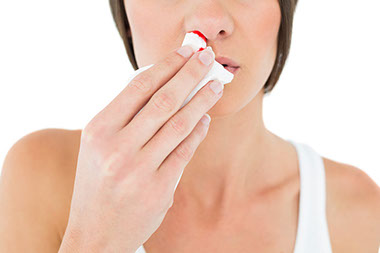
    Image of a nose bleed.

    Maybe you blew your nose too hard or bumped your nose. Causes aren’t always known. But when the blood starts gushing, nosebleeds can be frightening.

    Experts at eMedicineHealth tell what to do: Remain calm. Sit up straight and lean your head forward. Contrary to what some people think, do not lean your head back, you’ll only swallow the blood.

    Ice packs do not help either. Pinch your nostrils tightly together with your thumb and index finger for 10 minutes. Just hold it. Breathe through your mouth, of course. Do not release your grip.

    That should stop the blood flow, usually from an artery in the front of your nose. Then be nice to your tender nose for the rest of the day. Think about adding humidity to the air when you sleep, especially in dry winter weather.

    © American Institute for Preventive Medicine

  • Endometriosis: A Mysterious Condition

    MEDICAL NEWS

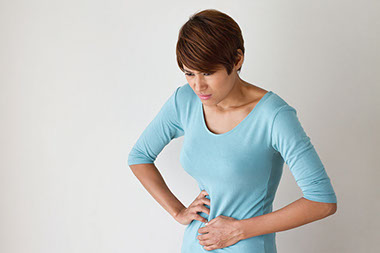
    Image of women holding her stomach in pain.

    Millions of women are affected by endometriosis. Yet, it remains a mysterious, often painful disease that is difficult to treat. Get to know the symptoms of this condition and what you can do about it.

    Signs of endometriosis include:

    *  Stomach or pelvic pain during menstruation

    *  Nausea or diarrhea during menstruation

    *  Severe menstrual cramps

    *  Infertility without a known cause

    If you think you may have endometriosis, see your gynecologist.

    Treatment options may include:

    *  Birth control pills

    *  Hormonal treatments that stop menstruation temporarily

    *  Surgery (this is often a minimally invasive procedure called a laparoscopy)

    Some women have also found relief with alternative therapies such as acupuncture. Be sure to talk with your doctor about any supplements or medications you are taking. If you plan to become pregnant, talk with your doctor about this as well. Endometriosis can be treated and many women are able to become pregnant with this disease.

    Source: National Institutes of Health

    © American Institute for Preventive Medicine

  • Kidney Stones Hurt

    MEDICAL NEWS

    Image of male doctor.

    Although they can be painful, kidney stones rarely cause permanent damage, and you may be able to prevent them, according to the National Institutes of Health. Back or side pain that won’t go away is the primary symptom of a kidney stone. You may also have pinkish or foul-smelling urine, a fever, or painful urination. Caucasians are more prone to kidney stones than African Americans, and men are more prone than women. Age is also a factor. The chance of getting a kidney stone rises as men enter their 40s and continues to rise into their 70s. For women, the risk peaks in their 50s.

    Each day, about 50 gallons of blood flows through your kidneys. The kidneys remove waste products including various minerals and other substances from the blood and transfer them into urine so your body can get rid of these waste products. In people who get stones, certain minerals in the urine combine with other waste products and start to form a stone.

    Kidney stones aren’t all the same. The most common type is made of the mineral calcium, combined with either oxalate or phosphate. Less common types of stones are made of uric acid or other chemicals, all of which are naturally found in the body. No one knows why these substances form kidney stones in some people but not in others, since we all have them in our urine.

    Most kidney stones eventually pass out of the body during urination. But some can grow large enough to begin blocking the flow of urine. That causes intense pain and may also put you at risk for infection. Most kidney stones that don’t pass on their own are treated in an outpatient setting. The most common procedure is called lithotripsy. Greek for “stone crushing,” this technique uses shock waves to reduce kidney stones into small fragments, which then easily flow away in urine.

    If you’ve had more than one kidney stone, you’re at higher risk for forming another. But there are ways to help prevent most types of kidney stones. First, your doctor needs to know what type of stone it is. If you pass a stone, try to catch it in a strainer. A laboratory analysis can help your doctor plan a strategy to prevent more stones. Other tests, which may include urine and blood tests, can help your doctor figure out why you had a kidney stone.

    Drinking more water may help prevent kidney stones. Depending on the type of stone you’re at risk for, your doctor may also advise you to avoid certain foods or drinks. For example, people prone to forming calcium oxalate stones should avoid spinach, peanuts, and chocolate. People prone to forming uric acid stones should cut back on meat. Doctors can also prescribe certain medications to help prevent these types of stones.

    Stone watch

    Call a doctor if you have any of the following signs of a kidney stone:

    *  Extreme pain in your back or side that won’t go away

    *  Blood in your urine (it will look pink)

    *  Fever and chills

    *  Vomiting

    *  Urine that smells bad or looks cloudy

    *  A burning feeling when you urinate

    © American Institute for Preventive Medicine

  • Pap Smear Needed Even With Hpv Vaccine

    MEDICAL NEWS

    Image of women talking with her doctor.

    HPV (human papillomavirus) vaccines that are often recommended to help prevent infections related to cervical and other cancers should not discourage women from also getting a Pap smear, UT Southwestern Medical Center cancer experts said.

    “Women should continue to be screened even if they have undergone HPV vaccination. The vaccine does not target all types of HPV that cause cancer. It is intended to reduce the risk of cancer, but has not been proven to eliminate the need for screening,” explains Dr. Jayanthi Lea.

    Unless you have a history of precancerous lesions, cancer, immune deficiency, or other risks, testing every three years between ages 21 and 65 is sufficient, Dr. Lea said. “There is also the option of combining a Pap test with HPV testing for women over age 30. Screening this way is typically performed every five years.”

    © American Institute for Preventive Medicine