Category: Uncategorized

  • Sun Sense

    SELF-CARE CORNER

    Image of sunscreen being applied to a kid's face.

    Did you know … the term “sunblock” is no longer used on sunscreen labels because no sunscreen can block all of the sun’s rays? You’ll now see the term “broad spectrum” that indicates a level of protection offered from both UVA and UVB rays.

    Sunscreens really aren’t waterproof either. Apply and reapply at least every 2 hours, but question why you’re out in the sun for that long a period of time anyway.

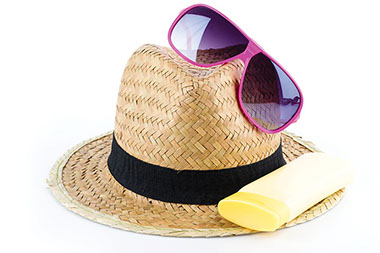
    Remember, only broad spectrum sunscreens with an SPF value of 15 or higher can claim to reduce the risk of skin cancer and early skin aging, and that’s only if they’re used correctly and with other sun protection measures such as wide-brimmed hats (not baseball caps) and sunglasses.

    Nobody ever applies enough sunscreen. And many people forget about ears, backs of necks, nose, lips, and tops of feet (avoid wearing flip-flops).

    Source: University of Michigan Health System, Loyola University Medical Center

    © American Institute for Preventive Medicine
  • Vitamin D-What You Need To Know

    SELF-CARE CORNER

    Image of sun rising behind green hills.

    Without vitamin D, your bones may not grow strong at any age. Why? Because for your bones to make the best use of calcium, they need  vitamin D, says Robert P. Heaney, MD, researcher and professor in the Osteoporosis Research Center at Creighton University.

    But did you know that even mild shortages of vitamin D can contribute to diabetes, some cancers, high blood pressure, heart disease, and pregnancy problems? “Asking the body to deal with these disorders without adequate vitamin D is like asking a fighter to enter battle with one hand tied behind his back,” said Dr. Heaney. Vitamin D is a chemical that our body’s tissues use to produce biochemical products required for daily life. It’s less important to understand the process. It’s more important to know where to get vitamin D and how much you need.

    Some Facts

    *  Your skin produces vitamin D when you are exposed to certain rays of the sun. If you never get sunshine on your skin, you will not get enough ultraviolet radiation for your skin to make vitamin D.

    *  Sunlight in winter in most of the U.S. is so weak, it does not allow you to produce enough vitamin D, even if you’re outside in winter during midday.

    *  During summer months, a light-skinned person wearing a bathing suit will make about 15,000 IU of vitamin D in 15 to 20 minutes. Darker-skinned people can do the same, but it will take twice as long.

    *  Sunscreen blocks the radiation and prevents your skin from making vitamin D. Brief sun exposure, said Dr. Heaney, is not enough to cause skin cancer. He suggested you apply sunscreen after the first 15 minutes in the sun.

    *  Some food has vitamin D but not much. Vitamin D is added to many foods such as milk, some yogurts and orange juices, cheese, and breakfast cereals. Read the labels to see how much.

    *  Because most of us do not get enough sun exposure (or choose not to) or enough vitamin D in food, Dr. Heaney suggests taking supplements of vitamin D3, the natural form. The label should say cholecalciferol (vitamin D3) or ask the pharmacist which supplement is best.

    *  Vitamin D is safe to take. You may take supplements daily, weekly, or monthly. The important point is that you need to maintain a high enough blood level of vitamin D. This is measured by a blood test.

    *  Dr. Heaney recommends, based on his research, that adults take supplements providing from 1,000 to 3,000 IU per day. This number is higher than the 600 to 800 IU Recommended Dietary Allowance per day. Follow your doctor’s advice for vitamin D.

    *  Talk with your doctor about testing your blood level and discussing how much supplementation you may need in both summer and winter.

    © American Institute for Preventive Medicine

  • Are Fitness Trackers Worth The Hype?

    BE FIT

    Image of women with a fitness tracker.

    Fitness bands, also called wearable health trackers, have become a popular trend in the last few years. Millions of these devices have been sold, but can they help you get healthy?

    What they do

    Most fitness trackers have features that act like a pedometer, counting your steps and other physical activity. Their features vary widely, however. Some trackers simply tell you how many steps you take in a day. Others are designed to be worn during exercise, such as running, and may track your distance and show your route. Other trackers are waterproof and designed to be worn when swimming.

    Many trackers also record quality and length of sleep. Because they have a movement sensor, they can determine how many times you woke and when you were in deep sleep.

    Most of them are designed to be used with an app on your smartphone, where you can see how you’re doing and make improvements where needed.

    Improving health with a tracker

    It can be helpful to know how many steps you take and how well you’ve slept. But keep in mind that these devices aren’t perfect. For instance, if you walk while pushing a stroller, a tracker worn on your wrist may not count your steps because your arms aren’t swinging.

    Sleep tracking can also be helpful, but won’t be a magic fix. Some trackers assume you’re in a deep sleep because you don’t move around. But, some people just naturally move less during the night, even if their sleep quality isn’t great. This may lead to incorrect information that makes you think you’re sleeping better than you actually are.

    Your body may be the best gauge when it comes to your health. When you don’t sleep well, you’ll feel sluggish. And you can easily keep track of any exercise you do with a fitness diary or a simple notebook. As for step counting, these devices are helpful, but an old-fashioned pedometer can work just as well.

    Alternatives to fitness trackers

    If you don’t have – or want – one of these devices, there are still ways you can get healthy with technology. Many apps that work with a smartphone can help you track movements and sleep, and others help you manually record things like mood, stress levels, and menstrual cycles. These require you to carry your smartphone with you, but don’t use any wearable devices.

    © American Institute for Preventive Medicine
  • Don’t Wait For The New Year – Get Fit Today!

    BE FIT

    Image of women at gym using the treadmill.

    Many people find it easier to wait until January 1 to start healthy habits. After all, getting more exercise is a great way to kick off a healthier year.

    But, with the tremendous benefits of exercise, why wait? Some people assume that it will take weeks of exercise to start looking or feeling better. Did you know there are some benefits to exercise that you will feel the first time you work out? You can reap the rewards of exercise – starting today!

    These are some of the benefits of exercise that can make your day even better:

    *  Better memory and thinking. If you need to stay focused on something, some exercise may help by promoting better memory and brain performance.

    *  Better sleep tonight. Tired of tossing and turning? People who exercise may fall asleep faster and have better quality sleep that very same night.

    *  Less stress or anxiety. The more you exercise, the better it is for your stress levels. But, even a few minutes of exercise can help improve your mood and lower anxiety right away.

    Start small

    It can be tough to fit in exercise around the holidays. With parties and gatherings, you may have even less time than usual. Don’t let that stop you.

    Instead, make a small and doable goal for exercise. Maybe walking twice a week is all you can do right now. Whatever it is, make it a goal you can achieve. A realistic goal will keep you motivated long after the New Year’s resolutions have come and gone.

    Sources: Anxiety and Depression Association of America, Journal of Psychology and Aging, International Sportmed Journal

    © American Institute for Preventive Medicine

  • Get Your Game On

    BE FIT

    Image of two males playing active video game, such as the Wii.

    Active video games, also known as “exergames,” are not the perfect solution to getting the nation moving, but they can play a role in getting some people up off the couch and moving right in front of it.

    Michigan State University researchers reviewed published research of studies of these games and say that most of the games provide only “light-to-moderate” intensity physical activity.

    And that, they say, is not nearly as good as what would be real exercise, but video gaming may be a step in the right direction. They generally do not provide the recommended 30 minutes of moderate activity per day, but for some people, the researchers said, light activity can sometimes be enough.

    The researchers named the three video gaming systems that offer active video games as ways to increase physical activity: Nintendo’s Wii, Xbox 360 (Kinect), and PlayStation 3 (Move). The study was published in Health Education and Behavior.

    © American Institute for Preventive Medicine
  • Physical Fitness And Sports

    BE FIT

    Image of older man ready to exercise.

    Along with healthy eating, physical activity increases your chances of living longer. Exercise can also help:

    *  Control your blood pressure, blood sugar, and weight

    *  Lower your “bad” cholesterol and raise your “good” cholesterol

    *  Prevent heart disease, colorectal and breast cancer, and type 2 diabetes

    And that’s not all. Being more active can:

    *  Be fun

    *  Help you look your best

    *  Improve your sleep

    *  Make your bones, muscles, and joints stronger

    *  Lower your chances of becoming depressed

    *  Reduce falls and arthritis pain

    *  Help you feel better about yourself

    For adults, most health benefits come with at least 150 minutes a week of moderate-intensity physical activity, such as brisk walking. Extra benefits occur with more physical activity. Both aerobic (endurance) and muscle-strengthening (resistance) physical activity are helpful.

    Children need 60 minutes of play with moderate to vigorous activity every day. If this sounds like a lot, consider that eight to 18 year olds spend an average of 7.5 hours a day sitting. This includes using computers, video games, cell phones and watching TV and movies.

    Make exercise fun

    No matter what shape you are in, you can find activities that you enjoy. If you think of exercise as a chore that you have to do, it can be harder to stick with it.

    *  Choose activities you enjoy and look forward to. Do ones you enjoyed as a child.

    *  Set up a walking program with a friend, family member, or coworker you enjoy being with.

    *  Wear a pedometer to track your steps. Aim for a goal of 10,000 steps a day.

    *  Enjoy a sunny day and fresh air with outdoor activities.

    *  Play outdoors with your children and grandchildren.

    *  Use fitness facilities at your work.

    © American Institute for Preventive Medicine

  • Staying Active With A Disability

    BE FIT

    Image of disabled man on treadmill.

    Most of us know that exercise is great for our health. But, if you or someone in your family has a disability, exercise can feel like a difficult task. Not only do you have to find time and energy to do it, but you need to worry about accessibility, too.

    Make sure your doctor gives you the okay before you begin any exercise program.

    It can be frustrating when your favorite activity doesn’t seem to work for you. But, some extra research may be worth the effort. These tips can help you get started:

    *  Check into races. There are many 5K, 10K and longer races that are accessible to people with many types of disabilities. And, many of them raise money for charitable causes. This may also help motivate your family to get out and train for a race and have fun together. Be sure to ask in advance about accessibility to be sure it will work for you.

    *  Get outside and do what you love. Have outside time a few times a week. This can be as simple as throwing a ball in the yard, going to an accessible playground, gardening or playing with the hose or sprinkler on a hot day.

    *  Ditch the car for short trips. If you live near a town, consider walking to the store for an errand. If this isn’t realistic, get some miles in at a mall or shopping center. Park at one end and visit the shops all the way at the other end.

    *  Modify your sports. Many sports can be fun and challenging with some minor changes. Walking instead of running for soccer, using a larger or softer ball for volleyball, or omitting the net in tennis may make the game work for you.

    *  Try low impact activities. Joining an aquatic exercise program or using rowing machines are two great activities for those who have joint limitations.

    Activities for people with disabilities

    Check with the following organizations to see who offers adaptive programs and activities:

    *  Your city or county recreation department

    *  Local YMCA or YWCA

    *  Boy Scouts or Girl Scouts councils

    *  Nearby high schools, colleges and universities

    *  Chamber of Commerce

    *  Center for Independent Living (CIL)

    *  National and State parks (many have paved hiking trails)

    Finally, talk with your doctor or health care provider about your desire to get active. They may have resources to help you get started. Join support groups with people who have disabilities like yours and use the power of community to find out about fun and active things you can do.

    Sources: The National Center on Health, Physical Activity and Disability (NCHPAD), U.S. Department of Health and Human Services

    © American Institute for Preventive Medicine

  • Baked Salmon Dijon

    HEALTHY EATING

    Image of a baked salmon dijon.

    Ingredients:

    1 c fat-free sour cream

    2 tsp dried dill

    3 Tbsp scallions, finely chopped

    2 Tbsp Dijon mustard

    2 Tbsp lemon juice

    1-1/2 lbs salmon fillet with skin, cut in center

    1/2 tsp garlic powder

    1/2 tsp black pepper

    As needed, fat-free cooking spray

    Directions

    Whisk sour cream, dill, onion, mustard, and lemon juice in small bowl to blend. Preheat oven to 400ºF. Lightly oil baking sheet with cooking spray. Place salmon, skin side down, on prepared sheet. Sprinkle with garlic powder and pepper. Spread with the sauce. Bake salmon until just opaque in center, about 20 minutes.

    Makes 6 servings. Serving size: 1 piece (4 oz). Each serving provides 196 calories, 7 g total fat, 76 mg cholesterol, 229 mg sodium, less than 1 g fiber, 27 g protein, 5 g carbohydrate

    A heart-healthy recipe from the US Department of Health and Human Services, National Institutes of Health National Heart, Lung, and Blood Institute

    © American Institute for Preventive Medicine

  • Don’t Just Eat Your Food – Grow It!

    HEALTHY EATING

    Image of couple in the garden harvesting carrots.

    Spring is here – and it’s the perfect time to think about starting a garden. But a garden doesn’t have to be just for decoration. Grow something you and your family can eat! Even if you don’t have a lot of room, many delicious and healthy foods can be grown in pots and small spaces.

    Benefits of gardening

    Many people grow their own food to save money on groceries – but the benefits of a fruit and/or vegetable garden go far beyond finances:

    *  By tending to your own garden, you can get more physical activity and fresh air.

    *  Being outside in nature can improve mental health and help reduce anxiety and stress.

    *  Children who grow their own foods may be more interested in trying – and eating – more fresh fruits and vegetables.

    *  Foods that are freshly picked often taste better and have the maximum amount of vitamins and nutrients. This is why “in season” foods and those fresh from the farmers market often look, feel and taste the best.

    Getting started with gardening

    Taking on a garden may feel overwhelming at first, but it doesn’t have to be a major chore. Start small and simple, and add more space or plants as you are able. Try to select larger containers so the plants have enough soil and room to grow. Start with one or two of your favorites, and expand your selection each year.

    Most seed packets will list directions for the amount of sun and space a plant needs. Certain plants, such as lettuce and salad greens, only need about five inches of soil depth. But, potatoes, tomatoes, carrots, broccoli and cucumbers need up to 12 inches of soil. If you purchase the seeds or plants from a nursery, ask the employee for success tips.

    Protect your garden from unwanted diners

    You don’t have to use chemicals or go to drastic measures to keep your bounty from animals, birds and bugs. A few simple barriers will keep out most of these uninvited guests:

    *  Hang balls of soap to repel deer from plants. You can also spray your plants with capsaicin, a natural ingredient found in hot peppers. This spray may also keep skunks and raccoons away.

    *  Keep birds and small animals, like squirrels, away from fruit plants. Simply cover the plants with plant netting that can be purchased at a hardware or gardening store.

    *  Plant bug-repelling herbs, such as basil, lavender, thyme, mint and lemongrass, in your garden. Flowers, such as marigolds, chrysanthemums and petunias, add beauty to your yard and help to repel insects.

    Source: Farmer’s Almanac

    © American Institute for Preventive Medicine

  • Food Safety Before, During, And After A Power Outage

    HEALTHY EATING

    Image of women looking inside refrigerator.

    Snowstorms, summer thunderstorms, and over usage can knock out power. The FDA says power outages can affect the safety of your food. Ensure that food stays safe by having a plan in place and knowing what food safety precautions to take if a power outage does occur.

    BEFORE

    *  Plan ahead. Stock up on supplies in advance or know where to obtain them if needed. Before an outage, check that the refrigerator temperature is at or below 40 degrees F and the one for the freezer is at or below 0 degrees F.

    *  Plan for ice. Know where you can get dry or block ice. Stock plenty of ice cubes and frozen gel packs. Freeze containers of water (plastic milk jugs do well). All of these help keep food cold in the freezer, refrigerator, or coolers. Keep coolers on hand to store refrigerated food in case the power is out for more than 4 hours. Stock your pantry with a few days’ worth of ready-to-eat foods that do not require cooking or refrigeration.

    DURING

    *  Keep refrigerator and freezer doors closed as much as possible to slow the growth of bacteria. The refrigerator will keep food cold for about 4 hours. A full freezer will keep the temperature for approximately 48 hours (24 hours if it is half full) if unopened. Use ice (dry or block, ice cubes, and frozen containers of water or gel packs) to keep your refrigerator and freezer as cold as possible.

    AFTER

    *  When power is restored, check the temperatures inside your refrigerator and freezer before eating any food. If the power was out for no more than 4 hours, refrigerated food should be safe as long as the doors were kept closed. Discard any perishable food (such as meat, poultry, seafood, milk, eggs, or leftovers) that has been above 40 degrees F for 2 hours or longer.

    *  Food is safe and may be refrozen if the freezer thermometer reads 40 degrees F or below. If you did not have a thermometer in the freezer, check each package to determine its safety; you can’t rely on appearance or odor. If the food still contains ice crystals or is 40 degrees F or below, it is safe to refreeze or cook.

    *  Be aware that perishable foods that are not kept adequately refrigerated or frozen may cause foodborne illness if eaten, even after they are thoroughly cooked.

    © American Institute for Preventive Medicine