Category: Uncategorized

  • Want To Quit? Start Here

    WELL-BEING

    Image of broken cigarette and nicotine gum.

    There’s no one right way to quit smoking. Some people find that they just quit on their own. Others use medical treatments to help. If you’re thinking about quitting, you have several options:

    *  Attend support groups or counseling

    *  Get your doctor’s advice and support

    *  Choose medicines that contain nicotine and help with nicotine addiction, including patches, gum, lozenges, inhalers and nasal spray. Some are available in stores and others need a prescription.

    *  Find a prescription medicine that doesn’t contain nicotine and still helps a person quit smoking.

    *  Go cold turkey: stop completely, all at once, without any help.

    *  Slowly decrease the amount of cigarettes smoked each day until you stop altogether.

    Counseling and medicine together may be more helpful than using just one method. Sometimes, you may need to try a few different approaches to find the one that works for you.

    Get free quitting help by phone

    If you’d like to talk with someone about quitting, call 1-800-QUIT-NOW (1-800-784-8669). This service is FREE and may include support and advice, a quit plan, free or discounted medications and other resources.

    Free quitting help online

    For those with a computer or tablet, help with quitting is just a few clicks away. Smokefree.gov offers a number of resources to help people quit smoking. There are tools and tips, information and support throughout the process of quitting.

    Source: Centers for Disease Control and Prevention, National Institutes of Health

    Reasons to quit smoking

    Quitting smoking isn’t easy. But, it means you will start to become healthier within just minutes of quitting. Take a look at the benefits of quitting:

    *  20 minutes after quitting: Blood pressure and heart rate gets lower.

    *  12 hours after quitting: Carbon monoxide levels in the blood go back to normal.

    *  2 weeks to 3 months after quitting: Lungs start to work better and blood circulation gets better.

    *  1 to 9 months after quitting: Lungs can handle mucus and recover from infections more easily. This means less coughing and shortness of breath.

    *  1 year after quitting: The risk of a heart attack drops dramatically. The increased risk of heart disease is cut in half.

    *  2 to 5 years after quitting: Risk of a stroke is now the same as a non-smoker.

    *  5 years after quitting: Risk of several cancers is slashed in half. This includes cancers of the bladder, mouth, throat and esophagus.

    *  10 years after quitting: Risk of lung cancer decreases by half. Risk of cancer of the voice box and pancreas drop.

    *  15 years after quitting: The risk of heart disease drops to that of a non-smoker.

    Don’t forget about benefits to your appearance. Yellowed teeth and fingers can become a thing of the past, as well as bad breath and smoke odors on clothes and in hair. Tobacco also causes wrinkling of the skin and tooth loss, so quitting can mean better skin and a brighter smile.

    It’s never too late to quit. Quitting at any age can extend a person’s life, reduce or eliminate health problems, and lower the risk of dying from smoking-related diseases.

    Source: American Cancer Society

    © American Institute for Preventive Medicine
  • What To Do About Liver Spots

    Mature Health: Over Age 50

    Image of women looking in a mirror examing her face.

    Years spent soaking up the sun can result in circular patches of light brown pigmentation, called liver spots or age spots, on your face, arms, neck, and the back of your hands. Liver spots have nothing to do with the liver, though; they’re “superfreckles”-areas of dark pigment triggered by overexposure to the sun. Here’s what you can do to minimize liver spots.

    *  Apply a concealer (cover-up cream) that matches your skin tone.

    *  Always apply a sunscreen lotion with a sun protection factor (SPF) of 15 or higher 30 to 45 minutes before you go outdoors.

    *  Apply an over-the-counter bleaching cream to the discolored areas. (These products can take months to work and lighten spots only slightly.)

    If these tactics don’t help, consult a dermatologist. He or she may recommend one of the following medical treatments for liver spots.

    *  A prescription bleaching cream.

    *  A prescription peeling cream, like Retin-A.

    *  Chemical peels (a mild acid is applied with a cotton swab to each patch of pigment).

    *  Dermabrasion (the skin is numbed, then rubbed with a high-speed electrical device).

    These treatments all produce some discomfort and sometimes leave a permanent white spot where the skin has been treated, however.

    A Year of Health Hints book by the American Institute for Preventive Medicine. www.HealthyLife.com. All rights reserved.

    © American Institute for Preventive Medicine

  • 5 Numbers You Need To Know By Heart

    SELF-CARE CORNER

    Close-up image of doctor's hand holding a green apple.

    Pass codes, phone numbers, social security numbers, clothing sizes and addresses. We all have a lot of numbers in our heads, but heart experts at The Ohio State University Wexner Medical Center say there are 5 more numbers you need to know. These are the numbers your doctor will use to assess your risk for getting heart disease.

    1.Blood pressure.This is the force of blood against the walls of the arteries. It’s measured as two numbers-the systolic pressure, as the heart beats, over the diastolic pressure, as the heart relaxes between beats. A normal blood pressure is under 120/80. Talk to your doctor if it is higher than that. Simple lifestyle changes can help you lower your blood pressure and potentially avoid taking medication.

    2.BMI.This measures your weight for your body surface area. It is used as a reliable indicator of body fatness for most people. Use an online calculator to assess your risk. Search for “BMI” atwww.nhlbi.nih.gov.

    3.Waist circumference.Fat that is carried around the abdomen increases the risk of heart disease and type 2 diabetes. Measure your waist at the belly button, not where your clothing waistband sits. Women should be less than 35 inches and men should be less than 40 inches at the waist.

    4.Cholesterol.While the body makes all of the cholesterol it needs, it is also found in animal sources of food. High cholesterol can lead to heart disease and build-up of plaque in the arteries. Know your total cholesterol number and your low-density lipoprotein, or LDL, number. That’s the bad cholesterol that can cause problems. A healthy cholesterol number is below 200. A healthy LDL number is below 130, 100, or 70 depending on your heart disease risk.

    5.Blood sugar.This reading tells doctors how much glucose is in the blood. High levels of blood glucose cause diabetes, which increases the risk for cardiovascular disease. A healthy fasting blood sugar number is under 100 after not eating for 8 hours.

    © American Institute for Preventive Medicine

  • Banish Biting Bugs

    SELF-CARE CORNER

    Image of female spraying insect repellent on arm.

    Insects like mosquitoes and ticks may annoy you during a summer barbeque or camping trip. But an effective bug repellent does more than avoid an itchy inconvenience. It may help prevent you from getting sick. Mosquitoes and ticks may carry diseases that are dangerous to humans. Many ticks carry Lyme disease and mosquitoes may spread the West Nile and Zika viruses.

    To help keep mosquitoes away, use a repellent that’s been proven safe and effective by the CDC. Look at the label and choose a repellent with one of these active ingredients:

    *  DEET

    *  Picaridin

    *  IR3535

    *  Oil of lemon eucalyptus

    *  Para-menthane-diol

    The CDC recommends tick repellents that have one of the following active ingredients:

    *  DEET (20 to 30 percent): use on skin and clothing, but not under clothing.

    *  Permethrin: use on clothing and gear only.

    In addition to a repellent, there are other ways to avoid bugs:

    *  Avoid wooded and brushy areas when possible.

    *  Walk in the center of trails.

    *  Wear clothing that covers arms and legs.

    *  Minimize time outside at dawn and dusk, when mosquitoes are most active.

    *  Throw out standing water in tires, buckets, birdbaths or other outdoor items at least once a week.

    *  Do a full-body check for ticks after spending time outside.

    What to do if you spot a tick

    If you find a tick on your skin, it should be removed as soon as possible. Here’s what to do:

    *  Don’t panic.

    *  Use fine-tipped tweezers to grasp the tick as close to the skin’s surface as possible.

    *  Pull upward on the tick slowly and evenly. Don’t twist the tick or try to yank it out quickly.

    *  If parts of the mouth remain after you’ve tried to remove it, use the tweezers to try and get them out. If you can’t get them out, leave it alone so the skin can heal.

    *  After you’ve removed the tick, clean the bite area and your hands with soap and water, rubbing alcohol or an iodine scrub.

    *  If the tick is alive, don’t try to crush it. Instead, put it in alcohol or an airtight bag or container. You can also wrap it tightly in tape or flush it down the toilet.

    *  Ticks can also be removed by your doctor if you can’t get it out yourself.

    *  If you’ve been bitten by a tick, contact your doctor for follow-up care.

    © American Institute for Preventive Medicine

  • Do You Have Celiac Disease?

    SELF-CARE CORNER

    Image of wheat on top of white flour.

    If you can’t eat bread or anything containing wheat, rye, and barley because of gluten-a protein found in these grains-you may have celiac disease. Different people have different symptoms, but talk with your doctor if you or your child has one or more of these problems after eating bread or cookies, for example:

    *  Gas

    *  Bloating, belly pain

    *  Ongoing diarrhea

    *  Pale, foul-smelling or fatty stool

    *  Weight loss or weight gain

    *  Fatigue

    *  Bone or joint pain

    *  Bone loss or weakening

    *  Anemia (lower red blood cell count)

    *  Behavior changes (children become irritable)

    *  Tingling, numbness in the legs

    *  Muscle cramps

    *  Seizures

    *  Itchy skin rash

    © American Institute for Preventive Medicine
  • How To Put In Eyedrops

    SELF-CARE CORNER

    Image of young women putting eyedrops into eye.

    *  Wash your hands with soap and water.

    *  Shake the eyedrop container gently. Make sure the prescription is for you. Check to see how many drops you are to put in and when.

    *  Remove the cap. Set it aside. Do not touch the dropper tip with your hand.

    *  Tilt your head back. With both eyes open, look at a point on the ceiling.

    *  Pull your lower lid down gently to form a pocket for the drop. Position the tip of the bottle less than an inch above your lower lid.

    *  Squeeze the bottle lightly to allow the drop to fall into the pocket.

    *  Close your eyes without squeezing them. Keep eyes closed for 30 seconds. Gently blot with a clean tissue.

    *  Replace the cap on the eyedrop bottle.

    *  Keep eyedrops out of sunlight.

    Other tips:

    *  Do not wear contact lenses while using eyedrops or ointments.

    *  If you have eyedrops and eye ointment, put in the eyedrops before the ointment.

    *  You may find this easier to do in front of a mirror or lying flat on your back.

    *  Check the bottle’s expiration date. Throw it away if outdated.

    Source: National Institutes of Health

    © American Institute for Preventive Medicine

  • Over-The-Counter Overdosing?

    SELF-CARE CORNER

    Image of liquid medicine.

    For a medicine to work for you-you’ve got to take the right dose. Many over-the-counter liquid medicines-such as pain relievers, cold medicines, cough syrups, and digestion aids-come with spoons, cups, oral droppers, or syringes designed to help you measure the right dose. To avoid giving too much or too little of a medicine, use these 10 tips from the FDA:

    *Always follow the directions on the Drug Facts label.Read the label every time before you give the medicine.

    *Know the “active ingredient” in the medicine.This is what makes the medicine work and it is always listed at the top of the Drug Facts label. Make sure, if you’re taking more than one medicine such as to treat a cold and a headache, that both don’t have the same active ingredient. You could be giving two times the normal dose. If you’re confused, check with your doctor or pharmacist.

    *Give the right medicine, in the right amount.Medicines with the same brand name can be sold in different strengths, such as infant, children, and adult formulas. The dose and directions also vary for children of different ages or weights. Always use the right strength and follow the directions exactly.

    *Use the dosage delivery device that comes with the medicine, such as a dropper or a dosing cup.A different device, or a kitchen spoon, could hold the wrong amount of medicine. And never drink liquid medicine from the bottle.

    *Know the difference between a tablespoon (tbsp) and a teaspoon (tsp).A tablespoon holds 3 times as much medicine as a teaspoon.

    *Know your child’s weight.Dosage amounts for some medicines are based on weight. Never guess how much to give your child or try to figure it out using instructions for the adult dose.

    *Talk to your doctor, pharmacist, or nurse to find out what mixes well and what doesn’t.Some medicines should not be taken with other medicines, vitamins, supplements, foods, and beverages.

    *Prevent a poison emergency by always using a child-resistant cap.Relock the cap after each use. Be especially careful with any medicines that contain iron. They are the leading cause of poisoning deaths in young children.

    *Store all medicines in a safe place.Some are tasty, colorful, and many can be chewed. Store all medicines and vitamins out of your child’s (and your pet’s) sight and reach.

    *Check the medicine 3 times before using.First, check the outside packaging for cuts, slices, or tears. Second, once you’re at home, check the label on the inside package to be sure you have the right medicine and that the lid and seal are not broken. Third, check the color, shape, size, and smell. If you notice anything unusual, talk to a pharmacist before using.

    © American Institute for Preventive Medicine
  • Slash Your Cholesterol Levels

    SELF-CARE CORNER

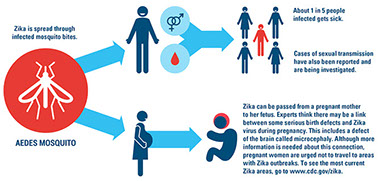
    Illustration of a heart with a pop out illustration of a build up in an artery.

    Many people don’t really know what cholesterol is, or why it matters for your health.

    If your cholesterol levels are too high, you are at an increased risk of heart attack and stroke. This is because too much “bad” LDL cholesterol causes a hard buildup inside your arteries known as plaque. If this buildup breaks loose, it can block an artery to your brain or your heart.

    The good news is there are a number of ways to help lower your cholesterol to a healthy level. Your doctor can help you decide what you need. Medicines can help, but there are also natural ways you can slash your cholesterol. They include:

    *Don’t eat trans fats.Transfats are listed on food labels and are known to raise “bad” LDL cholesterol levels. They are found in processed foods such as doughnuts, cookies, biscuits, pies, crackers and margarines. Be sure to check the Nutrition Facts panel for trans fats and avoid them whenever possible.

    *Cut back on saturated fats.These are found in meat and dairy products. They are okay to eat in small amounts. The American Heart Association recommends up to 6 percent of your daily calories be from saturated fat.

    *Eat “good” fats. Some fats are good for your cholesterol.They include monounsaturated and polyunsaturated fats. These are found in plant foods and oils such as canola, olive, safflower and grapeseed oils. Avocado, seeds and nuts are also great sources. Fatty fish, such as salmon, also include heart-healthy fats known as omega-3s.

    *Eat colorful fruits and vegetables.Brightly colored berries, dark green spinach, orange sweet potatoes and more: colors are good for lowering cholesterol! Eat plenty of bright produce for a boost in cholesterol-lowering nutrients.

    *Cut back on sugar and refined grains.Sweets, white bread, and anything that contains added sugar should be limited. These foods don’t help your heart or your overall health.

    Sources: American Heart Association; Harvard Medical School

    When to check your cholesterol

    Your cholesterol can be checked with a simple blood test. High cholesterol has no symptoms, so you won’t know you have it unless you get checked. The American Heart Association says adults age 20 and older should have their cholesterol checked every four to six years. Some people may need it checked more often. See your doctor for regular checkups to discuss your cholesterol and other heart disease risk factors.

    © American Institute for Preventive Medicine