Category: Uncategorized

  • Quick Facts About Sodium

    HEALTHY EATING

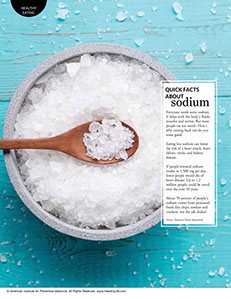
    A bowl filled with salt and a wooden spoon.

    Everyone needs some sodium. It helps with the body’s fluids, muscles and nerves. But most people eat too much. Here’s why cutting back can do you some good:

    Eating less sodium can lower the risk of a heart attack, heart failure, stroke and kidney disease.

    If people lowered sodium intake to 1,500 mg per day, fewer people would die of heart disease. Up to 1.2 million people could be saved over the next 10 years.

    About 70 percent of people’s sodium comes from processed foods like chips, cookies and crackers, not the salt shaker!

    Source: American Heart Association

    © American Institute for Preventive Medicine

  • Simple Steps For A Safe Thanksgiving Turkey

    HEALTHY EATING

    Cooked turkey on plate.

    This Thanksgiving, millions of people will enjoy a plateful of turkey. Enjoy your meal, but remember to prepare your turkey safely to avoid food poisoning. This starts from the moment you bring your turkey home from the store.

    Think thawing

    Never thaw your turkey by leaving it out on the counter. When a turkey is left at room temperature for 2 hours, it can grow bacteria that make you sick. Instead, you can:

    *  Thaw your turkey in the refrigerator.

    *  Put your turkey in a plastic bag and thaw in cold water, changing the water every 30 minutes.

    Clean your hands, not  the turkey

    Don’t rinse or wash your turkey in the sink. This can spread germs. Instead, wash your hands well, both before and after handling the turkey. After you’ve put the turkey in the oven, carefully wash and disinfect any surfaces that touched the raw turkey.

    Temperature is key

    Cook your turkey at 325°F or above. Lower temperatures won’t heat up the bird quickly enough to kill bacteria. When you think the turkey is done, check the temperature. Use a meat thermometer and check the inner part of the thigh and wing. Also check the thickest part of the breast. The turkey is done when all of them are at 165°F.

    Stellar stuffing

    If you stuff your turkey, make sure it is completely cooked. Use a food thermometer to check that the stuffing reaches 165°F. After taking the turkey out of the oven, leave the stuffing in for about 20 more minutes. This helps ensure it is cooked thoroughly.

    Great leftovers

    Don’t leave leftover turkey out for more than two hours after cooking it. Put it in the refrigerator as soon as possible.

    Many people experience food poisoning around the holidays. This is often due to incorrectly cooked or stored turkey. This doesn’t have to happen to your family. Be safe about preparing your turkey and stay healthy this holiday.

    © American Institute for Preventive Medicine

  • Bring On The Barley

    HEALTHY EATING

    Two bowls filled with barley, one cooked, one raw.

    In its whole-grain form, barley is packed with a wealth of beneficial nutrients. Known for its nutty flavor and slightly chewy texture, it makes a great addition to soups, salads, and many other dishes.

    What’s in it

    *Fiber:One-quarter cup of uncooked, whole-grain barley (3/4 cup cooked) has 8 grams of fiber.

    *Beta-glucan:One of the unique fiber types in barley, beta-glucan, has been shown to lower blood LDL-cholesterol levels by aiding cholesterol excretion from the body.

    *Antioxidants:Contains many vitamins, minerals, and phytochemicals. Vitamin E and lignans are two antioxidants in whole-grain barley.

    *Minerals:It provides a good source of iron, selenium, copper, and magnesium.

    Health benefits

    A diet high in whole grains, such as barley, is widely recognized as beneficial to health. It may:

    *  Reduce the risk of heart disease

    *  Support healthy digestion

    *  Aid in weight management and weight loss

    *  Reduce the risk of type 2 diabetes

    *  Lower chronic inflammation

    *  Decrease the risk of cancer

    *  Support bone health

    Types of barley

    To get the health benefits of eating barley, you need to eat the whole-grain form. When a grain is refined, the bran and germ are stripped away, removing some key nutritional value, including its fiber.

    Barley comes in several forms, some of which are whole and some refined. Choose a whole-grain version!

    Whole grain barley

    *  Hulled barley

    *  Hulled barley grits

    *  Hulled barley flakes

    *  Whole grain barley flour

    Refined barley

    *  Pearl barley

    *  Quick pearl barley

    © American Institute for Preventive Medicine

  • Improve Your Home

    FINANCIAL HEALTH

    Couple looking at paint swatches.

    Owning a home is a big investment. Regular maintenance and improvement projects help protect your asset and keep it in top condition. These home projects are the best bang for your buck.

    Freshen up the paint

    A new coat of paint, both inside and out, can make your home look up to date and appealing. It’s an inexpensive way to transform any room, and it’s easy to do yourself.

    Update fixtures

    Outlet covers, switch plates, light fixtures, and door knobs are simple to replace and make great finishing touches. These minor details really stand out.

    Kitchen cabinets

    Kitchen remodels are one of the priciest home upgrades.  If that is outside your budget, don’t worry. Instead, refresh your existing kitchen cabinets with a more modern paint color or stain.

    Install crown molding

    This task takes a bit of know-how, but it’s a simple cosmetic improvement that boosts the appearance of the interior. Crown molding makes rooms look pulled together and complete.

    Replace front door

    Your front door can make a big statement. If the door is worn out, old, or just plain boring, replace it with one that has a fresh, updated color.

    Clean up the landscaping

    The exterior of your home is the first thing people see. A well-cared-for yard and tidy landscaping set the tone for everything else. Keep planting beds free of weeds and well-mulched.

    © American Institute for Preventive Medicine

  • Refinancing Pros & Cons

    FINANCIAL HEALTH

    Couple sitting on floor with laptop.

    There are pros & cons to refinancing your home. It may not be the best choice for everyone, depending on their unique situation.

    Pros

    *  Lower interest rate: When refinancing at a lower rate, monthly payment decreases, and you’ll pay less over your mortgage life.

    *  Changing the term of your mortgage: When you refinance, you essentially take out a brand new mortgage. This allows you to set new terms, meaning you can either lengthen or shorten the term.

    *  Cashing out on home equity: If your home is worth more than the remaining mortgage, you may be able to do a cash-out refinancing.

    Cons

    *  Refinancing costs: There can be a lot of expenses involved in refinancing your home. Calculate whether the savings from a lower interest rate will balance out the fees.

    *  Prepayment penalties: Some lenders charge a penalty for paying off a loan early. Determine if any penalties apply and what they are, as that may add to refinancing costs.

    *  Refinancing restarts amortization: In the early years of a loan, you pay more on interest and less on principal. In later years, you pay more on principal and less on interest. Refinancing may set you back to paying more interest.

    © American Institute for Preventive Medicine

  • Be Smart About Seizures

    MEDICAL NEWS

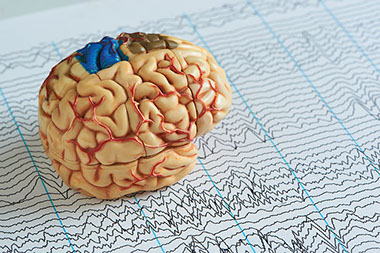
    A brain model.

    A seizure is a sudden surge of electrical activity in the brain. It can cause a person to have uncontrolled movements. A grand mal seizure or tonic-clonic seizure is the most serious. It usually involves jerking movements, shaking and the inability to talk or communicate.

    When it comes to seizures, there are plenty of myths. Knowing the truth about seizures could save someone’s life.

    Myth:A person having a seizure could swallow their tongue.

    Truth:This is not possible. Never put something in a person’s mouth if they are having a seizure.

    Myth:You should hold the person down.

    Truth:Do not try to hold or move the person unless they are in immediate danger of getting hurt. You can help get them on the floor and turn on their side. This keeps the person from injuring themselves or falling.

    Myth:You should always give mouth-to-mouth or CPR during a seizure.

    Truth:People usually start breathing normally after the seizure is over. But if the patient stops breathing for more than 30 seconds, call 911 and begin CPR.

    Should you call 911?

    Call 911 if:

    *  The person has never had a seizure before.

    *  The person stops breathing for more than 30 seconds, or has trouble breathing after the seizure.

    *  The seizure happened in the water.

    *  The person is pregnant.

    *  The person doesn’t wake up after the seizure.

    *  The person has a health condition like heart disease or diabetes.

    *  The seizure lasts longer than five minutes.

    *  The person is hurt.

    Source: Centers for Disease Control and Prevention

    © American Institute for Preventive Medicine

  • Is It Overactive Bladder Or Just ‘Normal’?

    MEDICAL NEWS

    Close up of hands holding toilet paper.

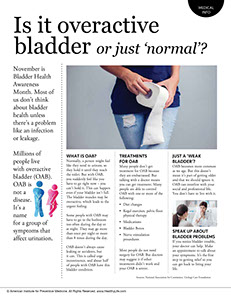
    Most of us don’t think about bladder health unless there’s a problem like an infection or leakage. Millions of people live with overactive bladder (OAB). OAB is not a disease. It’s a name for a group of symptoms that affect urination.

    What is OAB?

    Normally, a person might feel like they need to urinate, so they hold it until they reach the toilet. But with OAB, you suddenly feel like you have to go right now – you can’t hold it. This can happen even if your bladder isn’t full. The bladder muscles may be overactive, which leads to the urgent feeling.

    Some people with OAB may have to go to the bathroom too often during the day or at night. They may go more than once per night or more than 8 times during the day.

    OAB doesn’t always cause leaking or accidents, but it can. This is called urge incontinence, and about half of people with OAB have this bladder condition.

    Treatments for OAB

    Many people don’t get treatment for OAB because they are embarrassed. But talking with a doctor means you can get treatment. Many people are able to control OAB with one or more of the following:

    *  Diet changes

    *  Kegel exercises, pelvic floor physical therapy

    *  Medications

    *  Bladder Botox

    *  Nerve stimulation procedures

    Most people do not need surgery for OAB. But doctors may suggest it if other treatments didn’t work and your OAB is severe.

    Just a ‘weak bladder’?

    OAB becomes more common as we age. But this doesn’t mean it’s part of getting older and that we should ignore it. OAB can interfere with your social and professional life. You don’t have to live with it.

    Speak up about bladder problems

    If you notice bladder trouble, your doctor can help. Make an appointment to talk about your symptoms. It’s the first step to getting relief so you can get back to living your life.

    Sources: National Association for Continence, Urology Care Foundation

    © American Institute for Preventive Medicine

  • Talking About Oral Cancer

    MEDICAL NEWS

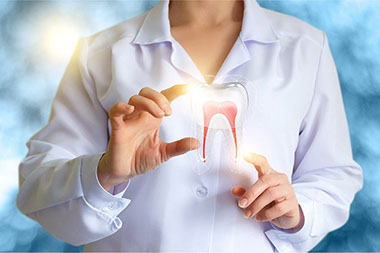
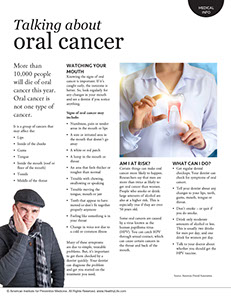
    Image of dentist with illustration of a tooth.

    More than 10,000 people will die of oral cancer this year. Oral cancer is not one type of cancer.

    It is a group of cancers that may affect the:

    *  Lips

    *  Inside of the cheeks

    *  Gums

    *  Tongue

    *  Inside the mouth (roof or floor of the mouth)

    *  Tonsils

    *  Middle of the throat

    Watching your mouth

    Knowing the signs of oral cancer is important. If it’s caught early, the outcome is better. So, look regularly for any changes in your mouth and see a dentist if you notice anything.

    Signs of oral cancer may include:

    *  Numbness, pain or tender areas in the mouth or lips

    *  A sore or irritated area in the mouth that doesn’t go away

    *  A white or red patch

    *  A lump in the mouth or throat

    *  An area that feels thicker or rougher than normal

    *  Trouble with chewing, swallowing or speaking

    *  Trouble moving the tongue, mouth or jaw

    *  Teeth that appear to have moved or don’t fit together properly anymore

    *  Feeling like something is in your throat

    *  Change in voice not due to a cold or common illness

    Many of these symptoms are due to simple, treatable problems. But, it’s important to get them checked by a dentist quickly. Your dentist can diagnose the problem and get you started on the treatment you need.

    Am I at risk?

    Certain things can make oral cancer more likely to happen. Researchers say that men are more than twice as likely to get oral cancer than women. People who smoke or drink large amounts of alcohol are also at a higher risk. This is especially true if they are over 50 years old.

    Some oral cancers are caused by a virus known as the human papilloma virus (HPV). You can catch HPV through sexual contact, which can cause certain cancers in the throat and back of the mouth.

    What can I do?

    *  Get regular dental checkups. Your dentist can check for symptoms of oral cancer.

    *  Tell your dentist about any changes to your lips, teeth, gums, mouth, tongue or throat.

    *  Don’t smoke – or quit if you do smoke.

    *  Drink only moderate amounts of alcohol or less. This is usually two drinks for men per day, and one drink for women per day.

    *  Talk to your doctor about whether you should get the HPV vaccine.

    Source: American Dental Association

    © American Institute for Preventive Medicine

  • Which Std Tests Do You Need?

    MEDICAL NEWS

    Couple embracing each other.

    Sexually transmitted diseases (STDs) can occur when people have sexual contact with a person who also has an STD.

    People of all ages can get STDs. If you have unprotected sexual contact with someone who is infected, you risk getting an STD. This includes oral, anal and vaginal sex.

    Don’t be afraid or embarrassed to ask a health care provider about STDs. Getting tested is important so you can get treatment for STDs. The most common ones include:

    *  Human papilloma virus (HPV)

    *  Chlamydia

    *  Gonorrhea

    *  Syphilis

    *  Herpes

    *  Trichomoniasis

    *  HIV/AIDS

    Why do I need tests?

    Testing is the only way to know for sure if a person has an STD. Many STDs don’t cause any symptoms. This means people could spread STDs to others without knowing. They could also have long-term health problems.

    Risks of STDs include:

    *  Spreading STDs to others

    *  Infertility (trouble getting pregnant)

    *  Long-term pain in the pelvic area

    *  Pelvic inflammatory disease (PID), which can cause pain and infertility

    *  Serious health and immune system problems (from HIV infection)

    Who needs to be tested?

    The Centers for Disease Control and Prevention (CDC) lists the following recommendations for testing:

    *  Everyone ages 13 to 64 should be tested at least once for HIV.

    *  Anyone who has unprotected sex or shares injection drug equipment should get tested for HIV at least once a year.

    *  All sexually active women younger than 25 years should be tested for gonorrhea and chlamydia every year.

    *  Some women 25 years and older should also be tested for gonorrhea and chlamydia every year. This includes women at a higher risk. They may have multiple sex partners or have a partner who has a known STD.

    *  All pregnant women should be tested for syphilis, HIV and hepatitis B. Some pregnant women may also need tests for chlamydia and gonorrhea. Pregnant women may need more than one test throughout pregnancy.

    *  Sexually active gay and bisexual men may need HIV tests every 3 to 6 months.

    *  All sexually active gay and bisexual men should be tested at least once a year for syphilis, chlamydia and gonorrhea. Some men may need to get tested more often if they have multiple partners.

    Many health departments offer STD testing or can help people find a testing site. To find STD testing sites near you visitgettested.cdc.gov.

    Source: Centers for Disease Control and Prevention

    © American Institute for Preventive Medicine