Category: Uncategorized

  • Exercise Is Healthy For Your Mind

    BE FIT

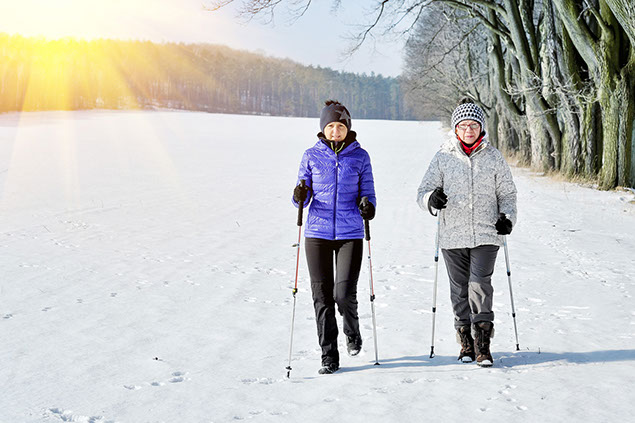
    Image of older Asian couple brisk walking.

    Regular exercise offers many health benefits. You may already know it helps you stay strong and healthy, and can help you lose weight. It can also help prevent heart disease, diabetes, arthritis, and other diseases. But exercise is doing good for another vital organ in your body: your brain.

    Studies are now showing that regular aerobic exercise can help your brain work better. This includes:

    * Better memory

    * Ability to switch tasks

    * Ability to plan activities and stay organized

    * Possible reduced risk of Alzheimer’s disease

    Although researchers don’t know exactly why exercise helps the mind, there are some possibilities. It increases blood supply to the brain, and helps it form connections. These connections are responsible for forming memories and thinking about future activities. Exercise also improves an area of the brain that remembers and learns.

    Source: National Institute on Aging

    © American Institute for Preventive Medicine

  • How To Stretch The Right Way

    BE FIT

    Image of an older Asian couple stretching.

    Do you skip stretching after your workout because you don’t have time? This may be a mistake: stretching can have benefits for flexibility, range of motion, and blood flow to the muscles, according to the American Academy of Family Physicians. But to reap these rewards, stretching needs to be done correctly. Be sure you follow these tips:

    *Never stretch cold muscles.If you haven’t been moving, it’s not a good time to stretch. The best time is right after your workout, or at least after a 5-10 minute warm-up.

    *Don’t bounce.Use smooth, slow, controlled movements. Bouncing can actually harm muscles.

    *Breathe.Be sure you’re breathing in and out, and not holding your breath.

    *Hold it.A good stretch should last at least 30 seconds, and you may want to hold some for up to 60 seconds.

    *Stretch until you feel it, but don’t go too far.Stretching should feel good, not painful. If it hurts, back off the stretch until it’s comfortable, then hold.

    If you have a strained muscle, sprain, or other injury, talk with your doctor before stretching or starting any exercise. People with chronic conditions, such as diabetes, arthritis, and heart disease, should also seek their doctor’s advice on the safest exercises for them.

    © American Institute for Preventive Medicine

  • Safe On 2 Wheels

    BE FIT

    Image of women on bike.

    Cycling is a good form of exercise. But with more than 1.4 million injuries reported in 2012 according to the Consumer Product Safety Commission, riders need to be safety conscious before hitting the pavement (literally).

    The American Academy of Orthopaedic Surgeons offers cycling safety rules:

    *  Use a bicycle that is the proper size.

    *  Make sure you are fit enough to ride before you  start pedaling.

    *  Change riding positions to reduce stress on pressure points on your body and avoid overstressing muscles.

    *  Always wear a helmet approved by the American National Standards Institute (ANSI). It should fit  snugly but comfortably and not obstruct vision.

    *  Check your bicycle’s mechanical components regularly (brakes, tires, gears).

    *  Follow traffic signs and lights. Signal your turns   so drivers can anticipate your actions.

    *  Ride in the direction of traffic. Be aware of all surroundings.

    *  Use caution on uneven or slippery surfaces.

    *  Do not listen to music with head phones, talk on  your phone, text or do anything else that can   obstruct your hearing and vision.

    *  Avoid loose clothing. Wear padded gloves and appropriate footwear. Never wear flip flops. Use padded cycling shorts for longer rides.

    *  At night, wear bright fluorescent colors; make sure to have rear reflectors. Both a working tail light and headlight should be visible from 500 feet away.

    © American Institute for Preventive Medicine

  • Train Like An Olympian

    BE FIT

    Image of women running.

    Olympic athletes inspire us with their fierce discipline and natural talent as they smash records, going higher, farther and faster. Their can-do   spirit motivates us all to take on  new challenges.

    Whether your goal is to complete your first marathon or improve your golf game, there are lessons to be learned from the best of the best.

    Saint Louis University assistant professor of physical therapy, Chris Sebelski, gives this guidance on how to train like a champion:

    *Set a goal and break it down.For instance, if you’re training to get in shape for a cross-country hiking trip, you might aim to walk 3 miles a day for the first 2 weeks and build up to 10 miles a day by the end of 10 weeks.

    *Cross-train.Cross-training reduces risks of overtraining and helps avoid injury. It also enhances muscle performance and stimulates the mind so you don’t become bored by too much repetition.

    *Work out with others.Olympic athletes don’t train alone and they don’t train only with those at the same skill level. Run with different people. On one day, partner with someone slower than your normal pace. You’ll stay out longer and practice endurance. Another day, run with someone faster than your average pace. You’ll do a more intense cardio workout.

    *Create a team.Olympic athletes know that they cannot do it on their own. You shouldn’t expect to either. Seek people and methods that can help you accomplish your goal. It could be a face-to-face session with a trainer, a nutrition class, or an online chat room of like-minded people.

    *Find your motivation.Olympians use lots of techniques to manage their emotions. This year, for example, athletes reported using yoga, meditation, and even watching their favorite TV shows to calm themselves before an event.

    *Put on an Olympic attitude.For most of us, our jobs, families and personal commitments mean we can’t spend as much time training as a world champion might. But  you can adopt the mentality of  an Olympian during the time you  do train.

    *Enjoy.Regardless of the scale of your goal, train for and accomplish a physical goal you set for yourself. Crossing that finish line is a feeling unlike any other.

    © American Institute for Preventive Medicine

  • 5 Ways To Feel Fuller, Longer

    HEALTHY EATING

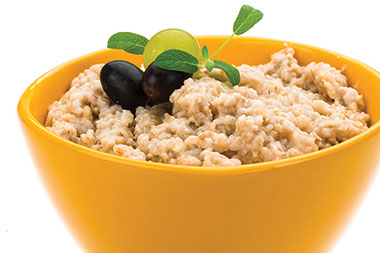
    Image of a bowl with oatmeal.

    Want to feel full without overeating?Certain nutrients and foods may help curb your appetite and make you feel fuller longer, according to the Institute of Food Technologists.

    1. Protein

    Add protein (such as low-fat cheese) to breakfast. And a high-protein afternoon snack containing soy can lead to appetite control and less evening snacking.

    2. Whole grains and fiber

    Oats increased appetite-control hormones up to  4 hours after a meal, but rice-based foods did not.

    3. Eggs

    Eggs are one of the densest proteins in the non-meat category. Eating one egg with breakfast will help to reduce hunger between meal times.

    4. Almonds

    The healthy fats in almonds decrease hunger and improve dietary vitamin E intake. People who ate 1.5 oz. of dry-roasted, lightly salted almonds every day helped curb their hunger without increasing body weight.

    5. Pulses

    Part of the legume family, pulses include dried peas, edible beans, lentils, and chickpeas. They are high in protein and low in fat, and are proven to contribute to a feeling of fullness.

    © American Institute for Preventive Medicine

  • Change Your Food Cravings To Healthy

    HEALTHY EATING

    Image of man eating dinner.

    Food cravings can be hard to ignore. Many people find they want to eat healthier, but simply can’t get over their cravings for unhealthy foods. There are ways to overcome food cravings and change them into good habits. It takes time and practice, but it’s well worth the effort. Everyone has setbacks when they are trying to change unhealthy habits. If you slip up, start again tomorrow. Don’t give up – believe you can do it!

    If you’re hoping to overcome cravings and give your body healthier foods, try these tips:

    *Accept you have cravings and want to change.Everyone craves certain foods sometimes, and this is normal. Tell yourself it’s okay to have cravings, and that you’re going to find ways to handle them better – starting today.

    *Avoid shopping while hungry.This is often when people buy those items they crave the most. Go shopping after you’ve eaten a healthy meal.

    *Avoid the temptation.Stay away from the places or things that cause you to eat unhealthy foods, like fast food restaurants or regular afternoon trips to the bakery.

    *Take it slow.Focus on one change at a time. For instance, if you always crave something sweet in the afternoon, think about one way you could change that food. You could have your favorite fruit washed and ready to eat.

    *Focus on your eating.Think about what you are eating. If you have healthy foods ready to eat, you are less likely to grab whatever is easiest, like what’s in vending machines or fast food.

    *Look for healthier substitutes.Instead of a whole chocolate bar, eat one small piece. Purchase small, individual servings of treats so you’re less tempted to eat larger portions.

    *Eat more protein.Healthy proteins like lean meats, beans and lentils, small portions of nuts and low-fat dairy foods can help control your hunger.

    *Look for ways to relieve stress.Many people crave unhealthy foods when they are stressed. Try walking, deep breathing, relaxing music or other non-food comfort tools.

    *Drink more water and get enough sleep.Both of these healthy habits can help you feel less hungry and less likely to reach for unhealthy foods.

    Source: American Academy of Family Physicians

    © American Institute for Preventive Medicine

  • Easy Snacks For High Energy

    HEALTHY EATING

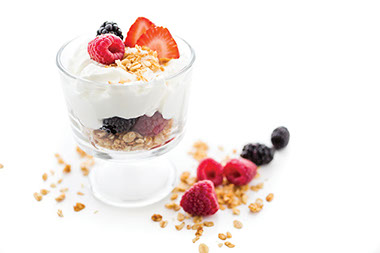
    Image of greek yogurt and fresh berries.

    One way to keep your energy up is to choose snacks that have fiber and protein. These foods are digested more slowly. That way you won’t “crash” like you do after eating sugar-filled and low-fiber foods. Some healthy choices include:

    *  An apple with a small handful of nuts

    *  Carrots and celery with string cheese

    *  Greek yogurt and fresh berries

    Source: Academy of Nutrition and Dietetics

    © American Institute for Preventive Medicine

  • Giving The Gift Of Healthy Eating

    HEALTHY EATING

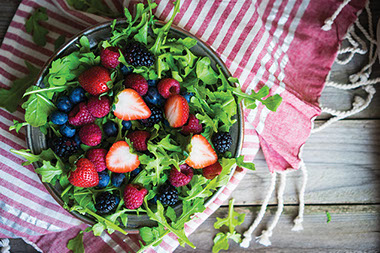
    Image of salad filled with a variety of berries.

    The holiday season is usually associated with a lot of unhealthy, rich foods and sweets. The result of eating too much of these treats is often weight gain. A study in the New England Journal of Medicine found that people gained weight within 10 days of a national holiday, and it took several months to lose that weight.

    This year, celebrate without extra weight! Spread the gift of healthy eating to others by giving gifts that encourage good habits.

    Making healthy food easier

    If you’re looking for a thoughtful gift that will be truly appreciated, try giving the gift of healthy food that saves time and effort! Here are some ideas:

    *Make a healthy meal that freezes well and hand deliver it.The recipient can choose to freeze and eat later, or eat it that day. Be sure you are aware of any food allergies or other dietary needs. Some ideas include homemade chili or pasta sauce.

    *Put a more creative twist on a traditional fruit basket and give them a fruit salad that’s ready to eat.Pre-washed and cut fruit that’s ready to grab means they can enjoy it right away, without any prep time.

    *Put soup ingredients in a mason jar.This is a popular gift that helps the person prepare an easy and healthy dinner. Usually, the dry ingredients for your favorite soup will go well in a jar. Be sure to include directions on how to cook it, and consider adding some whole-grain bread on the side.

    *Share your favorite mix or sauce.Do you have a secret recipe for healthy granola or a delicious marinade for meats? Share your gift of cooking by putting it in a jar or container with a nice label. Provide tips on how to use or prepare it.

    Not into cooking?You can always purchase dishes or containers that are useful for healthy eating. For instance, a person who eats lunch on the go may appreciate containers that can keep salads, dressing or other healthy foods fresh and delicious.

    © American Institute for Preventive Medicine

  • How Cooking At Home Helps You Score Healthy Points

    HEALTHY EATING

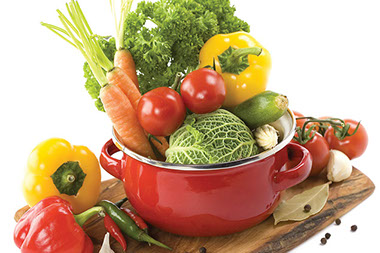
    Image of cooking pot fill with different vegetables.

    Most people enjoy an occasional night out at a favorite restaurant. Unfortunately, many Americans eat out too frequently, and this often means consuming more calories and fat. The Academy of Nutrition and Dietetics says restaurant portions are often too large, contributing to overeating and obesity. A serving of French fries 20 years ago was 2 ounces and 210 calories. Today, it averages 7 ounces and 610 calories!

    Cooking at home allows you to control portion sizes, calories, fat, and sodium. Challenge yourself to eat at home just once or twice a week more. You may find that you save money and lose excess weight by cooking your own meals more often.

    © American Institute for Preventive Medicine

  • New Guidelines On How To Eat Right

    HEALTHY EATING

    Image of family sitting at the kitchen table eating dinner.

    When it comes to eating right, it’s easy to get frustrated. It seems there’s always a new diet in the news, telling you to avoid certain foods or only eat certain things. How do you know what works and what’s just a fad?

    Every five years, the U.S. Department of Agriculture issues new eating tips for Americans to help them make healthy food choices. These guidelines aim to help you eat a wide variety of healthy foods and minimize unhealthy choices. The latest guidelines were recently released, and they recommend that you eat the following:

    *  Vegetables in a variety of colors – dark green, yellow, red, and orange

    *  Legumes (beans and peas), starchy foods like potatoes, and other fresh produce

    *  Plenty of whole fruits

    *  A variety of grains like bread and pasta, making sure at least half of them are whole grains

    *  Fat-free or low-fat dairy, including milk, yogurt, cheese, and/or fortified non-dairy beverages

    *  Protein foods, including seafood, lean meats and poultry, eggs, nuts, seeds, and soy products

    *  Healthy oils, such as olive and canola

    What not to eat

    The guidelines say you should limit saturated fats to less than 10 percent of your daily calories. Do the same for added sugars – no more than 10 percent of total calories. Avoid trans fats altogether. Limit daily sodium intake to 2,300 mg. You can find all of these nutrients on the nutrition facts panel.

    Activity and your health

    Finally, the USDA recommends adults get at least 30 minutes of exercise, five days a week. Walking is a great choice for most people. This can be broken up into smaller, 10-minute increments if needed. The main point is to avoid being inactive. Exercise has numerous benefits for your health, including reduced risks of heart disease, obesity, type 2 diabetes, and even some types of cancers.

    The guidelines are meant to be a helpful resource. If you’re not meeting all of them now, don’t give up. Each day that you work toward these healthy guidelines is a step in the right direction.

    © American Institute for Preventive Medicine