Category: Uncategorized

  • Family Meals: Healthy & Simple

    HEALTHY EATING

    Image of mother with 2 young kids wearing chef hats.

    Try these time-saving tips to make eating healthier simpler for you and your family, says Penny Kris-Etherton, PhD, RD, professor of nutrition at Penn State University.

    Plan out 2 to 4 weeks of healthy meals for breakfast, lunch, and dinner.Sit down and map out meals that include your family’s heart-healthy favorites. Update your list as you come across new recipe ideas.

    Use the weekend to make menus.Start by using the list from the first tip and make sure you grab the ingredients you need when you go grocery shopping. Keep an eye out for fresh, seasonal items that are on sale.

    If you work during the week, cook over the weekend and store leftovers in the fridge or freezer.Meals can be hassle-free when you’re just thawing and reheating for quick lunches and dinners.

    Cut up vegetables and keep them handy in the fridge.You’ll have ready-made nutritious snacks and ingredients.

    Shop sales, clip coupons, and buy fruits and vegetables in season.Look for less-expensive items. For example, blueberries cost less in spring and summer, when they’re in season. You’ll pay more in the fall and winter when they’re shipped from warmer continents.

    Skip the ready-made foods.They can be higher in sodium and often cost more than homemade foods.

    Replace high-calorie or high-fat favorites with nutrition-rich foods one at a time.Your family won’t feel shocked or deprived of their favorites if the changes to their diets are gradual. Try one change per week as a starting point.

    © American Institute for Preventive Medicine

  • Happier Moods Mean Healthier Foods

    HEALTHY EATING

    Image of women holding a healthy salad in one hand and chocolate in the other.

    Looking to lose weight? Think a happy thought before you eat. A Cornell study has found that mood and food do more than just rhyme. Your mood impacts what kind and how much food you eat.

    “People use food to either maintain a good mood or regain a good mood, and if you’re already in a good mood, you tend to eat more healthfully than if you’re in a bad mood,” said Professor Brian Wansink, whose study was published in the Journal of Consumer Psychology.

    “The take away of this study is you can change your mood and eat better. Before a snack or meal, think of something that makes you happy or grateful, and you’ll eat less and better,” said Wansink.

    © American Institute for Preventive Medicine

  • Is Cinnamon Good For Your Health?

    HEALTHY EATING

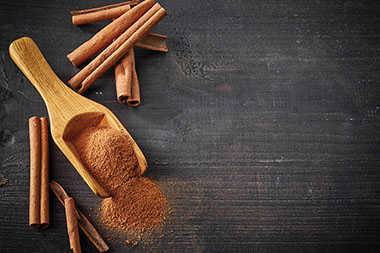
    Image of cinnamon.

    Cinnamon is often used in sugar-loaded treats like cinnamon rolls and lattes. And though it’s a popular spice for desserts, it’s not necessarily an unhealthy choice. The spice has been used for thousands of years, and some recent studies suggest cinnamon may even have health benefits:

    *  A study in the journal Diabetes Care studied 60 people with type 2 diabetes. Some were given cinnamon capsules, and others were given a placebo (a fake pill that contained no cinnamon). Those who consumed the cinnamon for 40 days had lower levels of blood sugar, triglycerides, LDL (“bad”) cholesterol, and total cholesterol.

    *  A study in the Journal of Nutrition suggests that cinnamon and other spices may help reduce triglyceride levels after eating a fatty meal.

    *  The Journal of Neuroimmune Pharmacology published a study that suggests cinnamon may be able to protect the brain against changes that can cause Parkinson’s disease.

    Want to spice up your health with cinnamon? Try adding it to your favorite foods or drinks in place of sugar. Its natural flavor can be a welcome addition to coffee, tea, oatmeal, fruit, and even chili.

    High doses of cinnamon can be dangerous, though. Be sure to talk with your doctor before taking cinnamon or other natural supplement.

    © American Institute for Preventive Medicine
  • Packing A Lunch Punch

    HEALTHY EATING

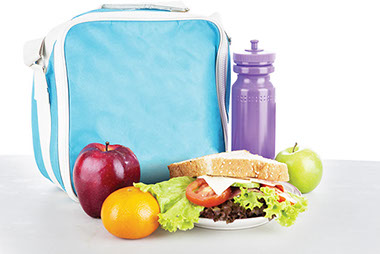
    Image of lunch bag with a water bottle, a sandwich, apples and orange.

    Plan ahead and first wash your hands before packing a school lunch (or your own).

    “Think about the perishability of the foods you’re making,” said Rutgers University professor Don Schaffner, a food scientist and spokesperson for the Institute of Food Technologists. “Perishable foods can remain at room temperature for no more than 2 hours. Properly refrigerated foods can last a long time, but most school children won’t have access to a refrigerator where they can store their lunchbox.”

    The Institute offers some guidance for parents as they pack lunches:

    *  Start each day with a clean box or bag. Insulated, vinyl lunch bags are popular and do better at keeping foods cool than paper bags or metal lunch boxes.

    *  Clean out lunch bags using warm soapy water and allow them to dry completely overnight before packing the next day. This helps deter the growth of bacteria in the bag.

    *  Choose secure packing materials, such as sealable, single-use sandwich bags that can be disposed of when used, or reusable plastic wear that is dishwasher safe.

    *  As much as possible, opt for foods that are not perishable, such as peanut butter and jelly sandwiches. (Follow the school’s policy on peanut butter. It may not be allowed due to peanut allergies.) PBJs will last from the time you prepare it in the morning until lunchtime. Single-serve fruits in prepackaged containers are also great options because they’re less perishable.

    *  Encourage older kids to assemble lunch on their own at school. Pack bread in one container and place fillings like meat or cheese separately with a cold pack. Having kids assemble the sandwich at lunchtime ensures the freshest possible results!

    *  Cold packs are designed to keep foods and drinks cold, not cool them down. If you start with room-temperature ingredients in the morning, it’s unlikely the cold pack will be able to cool them enough by lunchtime. Instead, refrigerate items the night before.

    *  Always use a cold pack when you are packing anything perishable, like cheese and meat slices or fresh-cut fruit with a yogurt-based dip. Place the perishable food right against the cold pack in the bag.

    *  For hot foods like chili, soup, or stew, use an insulated container. Before storing the food, fill the container with boiling water, let it stand for a few minutes, empty it, and then add the hot food.

    © American Institute for Preventive Medicine

  • State Fair Food. How Unhealthy?

    HEALTHY EATING

    Image of state fair food booths.

    State fair food booths are famous for deep-frying most anything-even butter. It’s not unusual for a single serving to hit 500 or even 1,000 calories, with dozens of grams of fat.

    As unlikely as it may sound, it is possible to get a taste of a state fair without overindulging, says Dr. Donald Hensrud, a Mayo Clinic specialist in nutrition and preventive medicine.

    *  Give yourself a good start and eat something healthy before you go. Have some fruit to start the day or a salad before you go in the afternoon.

    *  Work off the extra calories through walking, which is easy to do at the fair.

    *  Burn off extra calories by getting in an extra workout or two, before or after the fair.

    *  Decide ahead of time how much and what you’ll indulge in. If you have a plan, you’re less likely to overeat. Turkey legs on the midway or dairy barn homemade ice cream? Pick one and plan ahead.

    *  Split portions with family or friends. This will not only help decrease calorie intake, but also lets you enjoy more tastes and may help to save money.

    *  Drink plenty of water to stay hydrated and aid the digestive process. Stay away from non-diet soda. It’s loaded with calories and sugar and has no nutritional benefit. Drink water instead.

    *  Don’t panic if you overindulge. Return to your normal eating routine the next day.

    © American Institute for Preventive Medicine
  • Understanding Carbs

    HEALTHY EATING

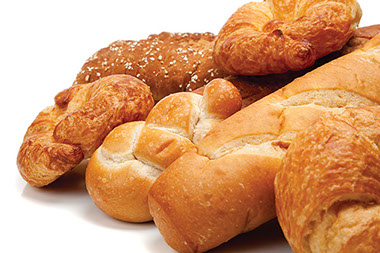
    Image of different type of breads.

    Carbohydrates (or carbs) are one of the main types of nutrients in our diets. Fats and protein are other nutrients.

    Carbs with a simple chemical structure are called sugars. Sugars are found naturally in foods such as fruits, vegetables, and milk products. They’re also added to many foods and drinks.

    Complex carbs, such as starches and fiber, are found in whole-grain breads and cereals and in starchy vegetables such as potatoes.

    Your digestive system changes the carbs you eat into glucose, a type of sugar that your body uses for energy.

    Simple carbs are more quickly digested and absorbed than complex carbs, so simple carbs can raise your blood glucose levels faster and higher. If you have diabetes, you need to manage your blood glucose levels. High blood glucose can damage your tissues and organs.

    It makes sense to eat more complex carbs, according to researchers at NIH. And not just people with diabetes, but everyone. Complex carbs are more gradually absorbed and help control blood sugar levels.

    Whole foods with complex carbs will give you more minerals and vitamins too and are usually good sources of fiber.

    Make Wise Carb Choices

    *  Try different kinds of beans and lentils.

    *  Choose cereals high in fiber (5 or more grams per serving, read the label for this information).

    *  Switch to whole grains. Look for whole-grain bread, whole-wheat pasta, brown or wild rice, barley, quinoa, and bulgur.

    *  Eat more fresh fruits and vegetables and drink less juice.

    *  Snack on fruit and small portions of nuts and seeds.

    *  Limit candy.

    © American Institute for Preventive Medicine

  • White Chicken Chili

    HEALTHY EATING

    Image of a bowl of white chicken chili.

    Ingredients

    4 cups white beans (cooked or low-sodium canned)

    1 tablespoon olive oil

    2 red peppers (chopped)

    1 large onion (chopped)

    1 chopped green chili (adjust to taste)

    3 cloves garlic (minced)

    1 tablespoon chili powder

    1 teaspoon cumin

    1 teaspoon oregano

    2 cups low-sodium chicken broth

    2 cups low-fat milk

    1/4 cup chopped, fresh cilantro (flat-leaf parsley)

    3/4 pounds chicken (cooked and cubed)

    6 corn tortillas (toasted and cut into 1-inch squares)

    Directions

    1. Sauté peppers and onion in olive oil.

    2. Add green chili, garlic, spices and chicken broth. Simmer for 20 minutes.

    3. Add low-fat milk, cooked beans, and cooked chicken. Allow to thicken before adding cilantro. Heat through.

    4. Top chili with crisp tortillas before serving.

    If using canned white beans, rinse and drain them to lower sodium. You can use any vegetable oil in place of olive oil and fresh parsley in place of fresh cilantro. In place of chili powder, you can use a mix of other spices such as cayenne pepper, cumin, or oregano. In place of oregano, you can use Italian mixed herbs/seasonings, basil, or thyme.

    Serves 10. Per serving: Calories: 210; Total fat: 5 g; Saturated fat: 1 g; Sodium: 150 mg; Total carbohydrate: 25 g; Fiber: 5 g; Protein: 18 g

    Source: USDA Healthy Eating on a Budget Cookbook

    © American Institute for Preventive Medicine

  • How To Set Up An Emergency Fund

    FINANCIAL HEALTH

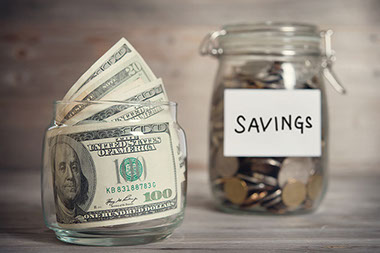
    Image of money in savings jar.

    An emergency fund is a great way to save yourself from financial disaster. It gives you peace of mind when unexpected expenses come up. And, it may help keep you out of debt when you need extra money for an emergency. People who don’t have emergency funds may have to turn to high-interest loans or more credit card debt.

    It can be difficult to set money aside when it’s being used for other day-to-day things. But, it is possible to do with a little discipline and planning. Here’s how:

    *Make it automatic.Have some money automatically put in a separate account with each paycheck. Even if the amount is small, it can add up over time. An automatic transfer is more convenient than doing it yourself. You may find that after a while, you don’t miss that extra money. You learn to get by without it.

    *Make it a priority.Pay your emergency fund first, before you use your paycheck for non-necessary items. Make a budget that doesn’t include your emergency money. This will ensure your bills and other necessities get paid without skipping your emergency fund payment.

    *Use a bank or credit union savings account.These are easier to access in an emergency than savings bonds, mutual funds or certificates of deposit (CDs). But, don’t put it in your regular checking account, where you may be tempted to use it for a non-emergency.

    *Keep the account totally separate.Make sure that account is for emergencies only. Make it a savings account instead of checking. Be sure the account doesn’t include fees or penalties.

    *“Do I need this?”Cover your credit card with a savings message to reduce non-essential spending.

    Creative ways to save

    Think of little ways you can change your daily routine to save money. You’ll be surprised how much you can save!

    Put away $.50 a day in loose change.

    Monthly savings: $15

    Yearly savings: $180

    Skip the coffee out and bring your own from home.

    Monthly savings: $80

    Yearly savings: $960

    Bring your own lunch 3 days a week instead of eating out.

    Monthly savings: $96

    Yearly savings: $1,152

    Eat dinner at home 2 more times per month.

    Monthly savings: $40-80

    Yearly savings: $480-960

    Source: Consumer Federation of America

    © American Institute for Preventive Medicine

  • Stop! Thief

    FINANCIAL HEALTH

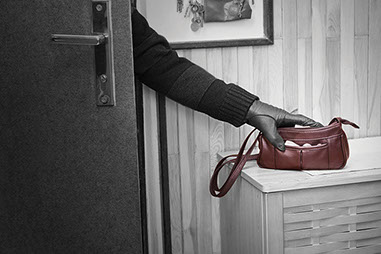
    Image of arm sneaking in from a door grabbing a purse on the counter.

    When your purse or wallet is lost or stolen, do you know the 8 steps you need to take right away because the thief is already cashing in on your loss? Act fast, advises the Federal Trade Commission:

    1. File a report with the police immediately. Get a copy in case your bank, credit card company, or insurance  company needs proof of the crime.

    2. Report the loss to your bank. Cancel checking and savings accounts. Open new ones, and stop payments on outstanding checks. Cancel each credit and charge card. Get new cards with new account numbers. Get a new ATM card, account number, and PIN or password.

    3. Call your utility companies. Tell them that someone may try  to get new service using your identification.

    4. Report your missing driver’s license to the department of  motor vehicles.

    5. Report missing cards to the major credit reporting agencies and place a fraud alert on your accounts: Equifax: 1-800-525-6285, Experian: 1-888-397-3742, TransUnion: 1-800-680-7289.

    6. Change the locks on your home and car if the keys were taken.

    7. Contact the Social Security Administration.    Call: 1-800-772-1213.

    8. Contact your insurance companies. Make sure no one tries to add someone to your policies.

    © American Institute for Preventive Medicine
  • Bursitis Isn’t Just For Grandma

    MEDICAL NEWS

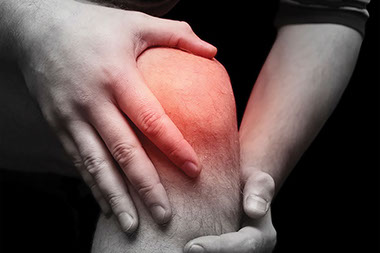
    Close up image of man's knee in pain.

    Hey, activity is good for you. But what happens when activity triggers sore, aching, and swollen joints?

    The problem could be bursitis-that’s what your grandmother used to call it. Bursitis occurs when the bursae (those fluid-filled sacs that surround and cushion joints) become irritated or infected, often causing pain when you move. Sometimes an infection develops.

    © American Institute for Preventive Medicine