Blog

  • Get Grilled On Safety Tips

    HEALTHY EATING

    Man grilling food outside.

    Metal grill brushes pose dangers

    If you’ve ever used a grill, you know that it needs to be cleaned. Many people reach for a metal wire grill brush to remove stuck-on food and debris. But this could be a dangerous mistake.

    The American Medical Association says that wire grill brushes were responsible for more than 1,600 emergency room visits in just one year. These brushes have metal bristles that can break off and stick to the grill. They may be too small to see, so you don’t know they’re there. When you cook food on your grill, the tiny bristles can stick to the food.

    If someone accidentally swallows one of these metal bristles, they can be seriously injured. The bristles can cut the inside of the mouth, throat or tonsils. This could require emergency surgery.

    If you use a wire brush to clean the grill, be sure to wipe the grill off with a cloth afterward. Check the underside of the grill and lid for any bristles too.

    You can also avoid using wire brushes altogether. Instead, soak the grill parts in soapy water and clean with a sponge or a paint scraper. Some people use a ball of aluminum foil to scrape the grill.

    Be safe with your grill

    *  Propane (gas) and charcoal grills should only be used outside. Never use them inside a garage, barn or other building.

    *  Keep the grill well away from your deck railings, tree branches and house.

    *  Don’t let children or pets near the grill.

    *  Open the gas grill lid before lighting it.

    *  Keep charcoal fluid out of reach of children and pets.

    *  Do not add charcoal fluid or other flammable liquids to a fire. Use it only to get the grill started.

    *  Let charcoal cool completely before throwing it away.

    Source: National Fire Protection Association

    © American Institute for Preventive Medicine

  • Fun Ways To Reduce Family Stress

    SUCCESS OVER STRESS

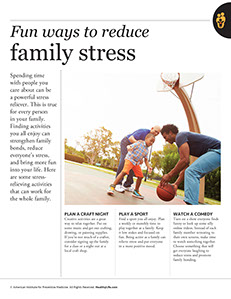
    Grandfather, father, and young son playing basketball.

    Spending time with people you care about can be a powerful stress reliever. This is true for every person in your family. Finding activities you all enjoy can strengthen family bonds, reduce everyone’s stress, and bring more fun into your life. Here are some stress-relieving activities that can work for the whole family.

    Plan a craft night

    Creative activities are a great way to relax together. Put on some music and get out crafting, drawing, or painting supplies. If you’re not much of a crafter, consider signing up the family for a class or a night out at a local craft shop.

    Play a sport

    Find a sport you all enjoy. Plan a weekly or monthly time to play together as a family. Keep it low stakes and focused on fun. Being active as a family can relieve stress and put everyone in a more positive mood.

    Watch a comedy

    Turn on a show everyone finds funny or look up some silly online videos. Instead of each family member retreating to their own screens, make time to watch something together. Choose something that will get everyone laughing to reduce stress and promote family bonding.

    © American Institute for Preventive Medicine
  • Fun Facts About Cruciferous Vegetables

    HEALTHY EATING

    A bowl filled with broccoli and brussels sprouts.

    *  The word “cruciferous” means “cross bearing.” These vegetables got this name because the four petals on cruciferous vegetables make a cross shape.

    *  Brussels sprouts and broccoli are rich in magnesium. This mineral is needed for hundreds of different functions in the body, including bone health, muscle relaxation, nerve function and blood sugar control.

    *  Cruciferous vegetables get their taste and aroma from sulfur compounds called glucosinolates. Glucosinolates help the body protect cells from damage. This could be a factor in preventing some types of cancer.

    Sources: Academy of Nutrition and Dietetics, American Institute for Cancer Research

    © American Institute for Preventive Medicine

  • Forget The ‘Perfect’ Family

    FAMILY LIFE

    Dad playing with his 3 young kids.

    Real world families

    Though television shows may portray happy families, every family has disagreements and conflicts. Spouses and partners must work hard to maintain a healthy relationship. This can be difficult, even for happy couples. Disagreements between parents and children are also bound to happen.

    Expect problems, obstacles and arguments. The solution is not to avoid these things. Rather, it’s to learn how to work through them. If you have ongoing problems with your spouse or kids, talk to your doctor. They may recommend seeing a counselor or family therapist. Remember, there’s nothing wrong with asking for help.

    Controlling your kids

    Many parents believe that what their kids do is a direct result of their parenting. This can put a heavy burden on parents. Remember that children are individuals and may do things that you’ve taught them not to do. This doesn’t mean you’ve failed as a parent.

    Your job is to show each child that they are loved and accepted. Help them learn ways they can succeed, teach them respect for others and help them see their place in the world. This is a huge task, and there’s no “right way” that works for every child. Although you can influence and shape your children, ultimately you cannot control them.

    Source: American Academy of Pediatrics

    © American Institute for Preventive Medicine

  • Foot Health Matters With Diabetes

    SELF-CARE CORNER

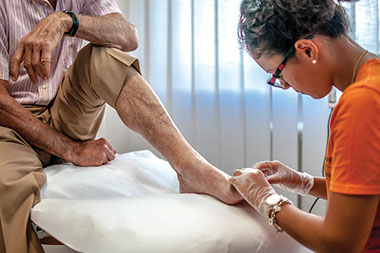
    Patient having his foot examined by a doctor.

    People with diabetes have a higher risk of getting certain foot problems. This usually happens because diabetes can cause nerve damage in the feet. This is known as diabetic neuropathy, which can lead to tingling, burning or weakness in your feet.

    Why does neuropathy matter?

    Diabetic neuropathy isn’t just painful. It also means that you may not feel things like cuts, injuries or heat or cold on your feet. Your feet could get hurt or burned and you wouldn’t know it. Then, with reduced blood flow, your body may not be able to heal the skin very well.

    Keeping skin healthy

    Wash, dry and moisturize the skin on your feet every day. Also, check for problems. Here’s how:

    *  After bathing, dry your feet gently with a towel.

    *  Look for corns, calluses, blisters or cuts. If you notice any of these, call your health care provider. Don’t try to remove corns or calluses yourself.

    *  If your skin looks healthy, you can moisturize. Apply a skin cream to dry areas.

    *  Don’t apply cream between your toes. This can cause fungus to grow. Keep the area between toes clean and dry.

    *  If you can’t trim your toenails easily, have this done by a podiatrist or other health provider.

    Good shoes are your friend

    Poorly fit shoes can cause sores, or ulcers, on your feet. These can lead to infection. Even if you don’t feel pain, see your doctor about any sores on your feet. You should also stay off your feet until your doctor says it’s ok. Don’t walk in your bare feet because this can put your feet at risk.

    You can avoid many foot ulcers by getting comfortable, supportive shoes. A podiatrist or foot specialist may help you find a pair that fits your feet well without rubbing. Wearing socks that wick moisture, such as wool socks, can also help. Wearing wet socks or shoes can lead to fungal infections.

    Helpful ways to avoid foot problems with diabetes:

    1.  Go to regular checkups.

    2.  See your doctor if you have any foot injuries or skin changes on your feet.

    3.  Follow your diabetes plan to keep blood sugar under control.

    4.  Check your feet every day.

    Source: American Diabetes Association

    © American Institute for Preventive Medicine

  • Foods With Magnesium

    HEALTHY EATING

    Image of spinach.

    To boost your magnesium levels and get other healthy nutrients, try to eat these foods regularly:

    *  Almonds

    *  Spinach

    *  Cashews

    *  Peanuts & peanut butter

    *  Black beans

    *  Edamame

    *  Avocado

    *  Fortified breakfast cereals

    *  Brown rice

    If you’re eating fortified cereal or peanut butter, look for types without added sugar or salt. Also, be mindful of the amount of fat and calories in nuts and nut butter. While these foods can be part of a healthy diet, the recommended serving sizes are usually small.

    © American Institute for Preventive Medicine
  • Flu Shot Faqs

    MEDICAL NEWS

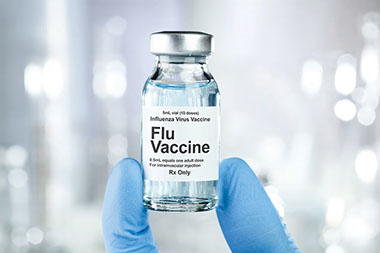
    Flu vaccine in bottle.

    Every year, millions of people get the flu. Some get very sick and need to be hospitalized. Thousands of people die from the flu every year.

    This year as we battle COVID-19, getting a flu shot is more important than ever. Flu shots decrease the chance that you will be hospitalized or die from the flu. This helps ensure that hospitals will not become overwhelmed with flu and COVID-19 patients.

    Won’t last year’s shot help me?

    Everyone needs to get a flu shot every year. There are two reasons why:

    *  Your immune system’s protection from the shot gets weaker over time.

    *  Flu viruses are always changing, so you need a shot that has this year’s flu strains in it.

    Will a flu shot increase my risk of getting COVID-19?

    No. Studies have shown that a flu vaccine will not put you at risk for COVID-19. But it will help protect you from the flu, which also protects your loved ones and people around you!

    Will the flu shot give me the flu?

    The flu shot is made from inactivated flu virus. An inactivated virus cannot give you the flu. Some people notice side effects from the shot like aches or a mild fever. These side effects last only a day or two. This is much milder than getting the flu, where fever, aches and other symptoms last a week or longer.

    What if I’m not high risk?

    Everyone 6 months of age and older should get the flu shot, even if they have no health problems. Even young, healthy people – including children – can become very sick with the flu.

    When more people get the flu shot, we help protect people who are high risk, including babies, older adults and people who are allergic to the shot.

    Is it too late to get a flu shot?

    Even if you haven’t gotten your flu shot yet, it’s not too late. After getting the shot, you won’t have immunity right away. It takes about two weeks for your body to develop antibodies to the flu.

    Source: Centers for Disease Control and Prevention, World Health Organization

    © American Institute for Preventive Medicine

  • First Aid Kits: Stay Up To Date

    SELF-CARE CORNER

    Women helping wrap man's foot and ankle with sprain wrap.

    A first aid kit is an essential self-care item that should always be handy. A well-stocked kit prepares you for any situation or emergency that may arise.

    If you don’t have a first aid kit, you can purchase ready-made kits at most pharmacies. Ideally, you should have a kit for your home as well as your vehicle, so you’re covered anywhere you go.

    First aid kits should be updated every six months to keep supplies stocked and replace expired items. Now is a good time to go through your kits to ensure they are up to date and stocked with everything you need.

    What should be in your kit?

    *  2 absorbent compress dressings (5 x 9 inches)

    *  25 adhesive bandages (assorted sizes)

    *  1 adhesive cloth tape (10 yards x 1 inch)

    *  5 antibiotic ointment packets

    *  5 antiseptic wipe packets

    *  2 packets of aspirin (81 mg each)

    *  1 emergency blanket

    *  1 breathing barrier (with one-way valve)

    *  1 instant cold compress

    *  2 pairs of nonlatex gloves (size: large)

    *  2 hydrocortisone ointment packets

    *  1 3-inch gauze roll (roller) bandage

    *  1 roller bandage (4 inches wide)

    *  5 3 x 3-inch sterile gauze pads

    *  5 sterile gauze pads (4 x 4 inches)

    *  A thermometer (non-mercury/non-glass)

    *  2 triangular bandages

    *  Tweezers

    *  A first aid guide or reference book

    Personalize your kit

    Depending on the needs of yourself and your family, you should add special items unique to your situation. For example:

    *  If someone in your family has diabetes, include glucose tabs/gels, quick glucose snacks, and a glucagon injection kit.

    *  If someone in your family has a severe allergy, include an epi-pen and some antihistamine medication.

    *  Include a list of medications that each family member takes, as well as contact information for their doctors.

    *  Include your address in a prominent place in your first aid kit. This will allow the person who is helping you in an emergency to give this information to first responders.

    © American Institute for Preventive Medicine