
Blog

  • 3 “S”S For Being Active At Work

    FAMILY LIFE

    Two coworkers holding a set of dumb bells in hands.

    Many people have jobs that require sitting at a desk or being inactive for long periods of time. This can make it hard to reap the benefits of exercise, like having more energy and weight loss. But you can fit in fitness at work with just a few tricks.

    1.  Shoes. If you wear a dress or work shoes, bring your sneakers to work. Keep them under your desk and slip them on during your lunch break so you can take a brisk walk in comfort.

    2.  Stairs & standing. Whenever possible, take the stairs instead of the elevator. A few extra calories burned is better than none. Try to stand or walk when you don’t need to be sitting. This could be during a phone conversation, or going down the hall to speak to someone instead of calling or emailing them.

    3.  Schedule. Put time in your schedule to exercise. It’s one of the most important things you can do for YOU! If you don’t have enough time at lunch, find a way to exercise either before or after work. Write it down in your work calendar as a reminder that it’s an important commitment.

    © American Institute for Preventive Medicine

  • 3″M”S For Giving Kids An Allowance

    FAMILY LIFE

    Child hands holding a dollar bill.

    An allowance can help children learn about responsibility. It also helps children learn about the value of money. The 3 M’s of allowance will help you guide kids of all ages in the right direction.

    1.  Make yourself clear. Tell them that chores should contribute to the family, not just themselves. For instance, they should do more than keep their room clean and pick up their own things. They may also do things like help with yard work, clean the bathroom sink or empty the dishwasher. Make sure they do these things well before you pay them. If they don’t know how to do it, show them.

    2.  Modest amounts. Kids should use allowance for fun things, not clothes or necessities. There’s no need to give them big amounts of money. Remember this is not a salary, but a way to teach kids about work. Older children should have more difficult jobs and therefore, their allowance should be larger.

    3.  Monitor their spending. Once they earn their money, talk with kids about spending and saving. While they should have some freedom to spend their money on something they want, help them make wise choices. They may regret their purchase later if they don’t give it a lot of thought.

    © American Institute for Preventive Medicine

  • 3 Keys To A Virtual Family Gathering

    FAMILY LIFE

    Couple waving in front of a computer screen while have dinner.

    While there is no true replacement for being with family & friends, the option to connect virtually is sometimes the best available. To get the most out of your virtual time, consider these tips.

    Have the right technology and try it out in advance

    You need a quality device setup for video chats, such as a laptop, smartphone, or tablet. You also need a good internet connection.

    Choose an app that works for everyone

    There are so many video chat apps out there. The right one for you depends on the size of the group and the devices people are using. Shop around.

    Plan virtual activities that everyone can enjoy

    *  Pictionary

    *  Charades

    *  Scattergories

    *  Talent show

    *  Trivia

    *  Get-to-know-you-better questions

    *  Jokes or riddles

    © American Institute for Preventive Medicine

  • 3 “C”S To Be Your Best At Work

    WORK LIFE

    Two coworkers sitting at the table looking at the computer screen.

    Every job can be done half-heartedly – or done really well. Doing your best will help you feel satisfied with your job, which is great for your mental health.

    1.Confidence:Be confident in your abilities, especially your ability to go above and beyond at work. Not only is this good for your clients, coworkers and/or customers, but it has an added bonus: you’ll feel great too!

    2.Connect:Build positive relationships with people at work to help you succeed. If you’re experienced, help others learn from you. If you need guidance, don’t be afraid to ask others for their advice and input.

    3.Communicate:If you see a problem, speak up. Constructive feedback can be done in a way that’s respectful and kind. If you see good things happening, point those out, too. It’s a great way to build morale.

    © American Institute for Preventive Medicine

  • Zucchini Casserole

    HEALTHY EATING

    Image of zucchini casserole.

    Ingredients

    1 pound sausage (ground)

    1 cup onion (small, diced)

    3 cups zucchini (small, diced)

    3 cups squash (small, yellow, diced)

    3 cups potatoes (medium, peeled and diced)

    1 can tomatoes (Italian stewed, cut up)

    Directions

    Brown sausage and onion together in a skillet; drain. Mix all ingredients together and place in a casserole dish. Cover with foil and bake at 350 degrees F for 45 minutes. Instead of using the Italian stewed tomatoes, you could use fresh diced tomatoes with some Italian spices added.

    Makes 6 servings: Per serving: 220 calories, 9 g total fat, 11g protein, 25 g carbs, 3 g fiber,

    460 mg sodium.

    From the USDA What’s Cooking? Find more recipes at www.usda.gov/whatscooking.

    © American Institute for Preventive Medicine

  • Zika Virus: What To Know

    MEDICAL NEWS

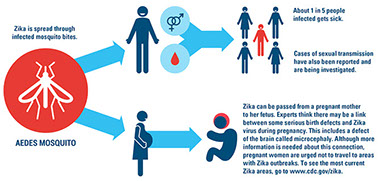
    Infograph showing the zika virus.

    According to the CDC, Zika has not yet been spread by mosquitoes in the U.S., but cases have been reported here. These occurred in people who recently traveled to one of the known Zika areas.

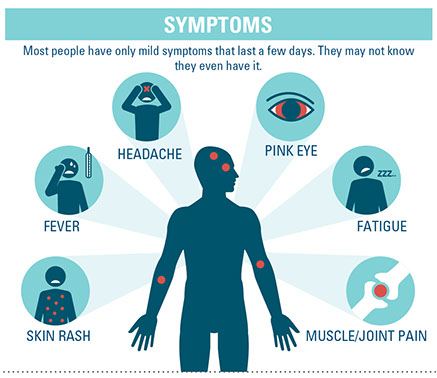
    Graph showing symptoms of zika virus.

    Treatment

    At this time, there is no vaccine for Zika.

    *  Rest

    *  Drink water

    *  Take medications for pain and fever

    *  Call your doctor

    Prevention

    *  Use an insect repellent regularly on yourself and your children. Use one registered with the EPA.

    *  Wear light-colored clothes that cover as much of your body as possible.

    *  Sleep under a mosquito bed net if you are sleeping outside or not able to protect yourself from mosquito bites.

    *  Get rid of standing water. This is where mosquitoes breed. Cover rain barrels and other containers that store water.

    *  Protect windows and doors with screens or mosquito nets. Use air conditioning, if possible.

    *  If you’ve recently been to a known Zika area, are pregnant or are having symptoms of Zika, call your doctor.

    Sources: World Health Organization and Centers for Disease Control and Prevention

    © American Institute for Preventive Medicine

  • You May Need To Get Tested For Hepatitis C

    MEDICAL NEWS

    Image of doctor talking to a patient.

    An estimated 3.2 million Americans are infected with chronic hepatitis C, a viral infection of the liver. Among those are larger numbers of Veterans and baby boomers.

    The CDC recently recommended that all baby boomers in the U.S. (those born between 1945 and 1965) get a simple one-time blood test for hepatitis C. They estimate that this testing could identify more than 800,000 additional people with the disease.

    Here’s what we know:

    *  Chronic hepatitis C won’t go away on its own.

    *  Many people living with hepatitis C are not aware they have the condition and may go years without showing symptoms. Hepatitis C is treated with a combination of medications.

    *  The rate of hepatitis C among people born in 1945 through 1965 is about 4%, compared to about 1% among other Americans. That difference is likely due to risky behaviors among this group.

    *  You can get hepatitis C from infected blood or body fluids. Today, the most common way people get infected is by needle-sharing during intravenous drug use. Most new infections occur among drug users. In addition, an infected pregnant woman can infect her unborn baby.

    *  Since 1992, when reliable blood screening procedures became available, the risk of transmission of hepatitis C by blood transfusion has fallen to less than one per million units of transfused blood, according to the CDC. Rarely, the virus can be transmitted through sexual intercourse.

    *  Hepatitis C is not transmitted through shaking hands, coughing, sneezing, breastfeeding, or sharing cups and utensils.

    *  Hepatitis C can cause serious liver problems.

    © American Institute for Preventive Medicine
  • You Can Survive A Family Vacation With The In-Laws

    FAMILY LIFE

    Image of multi-generation family at the beach.

    Instead of calling it “the 7 worst days of your life,” change the mantra to “this will be fun and interesting,” advises Wake Forest University Professor of Counseling Samuel T. Gladding, when describing a family vacation that includes your in-laws.

    Time spent together on the beach or at another vacation place can help children bond with grandparents, Gladding said. “If you don’t have some exposure to extended family, you will never truly get to know them. It takes time, effort and expense to be in the same place with them. The dividend is that you get to know them and then you can build a relationship. That’s how people grow.”

    Connecting with extended families is important because family members have skills, contacts, and abilities beyond those found in nuclear families, he said. Tapping into that family power is a good idea.

    Plan the right activities. Arrange constructive activities that involve interaction, such as cooking or playing board games. A Gladding family favorite is charades because it is silly and makes people laugh. When people laugh together, they create good memories that help build relationships.

    But don’t plan to spend every minute with the group. Set aside time to go out to eat or do some other favorite activity with your own immediate family. It’s okay to say, “For this block of time, we want to have just our small family together.”

    If you set expectations in advance, no one will be surprised when you take a break on Tuesday night to go play miniature golf. It also gives the grandparents some space they might appreciate just as much as you do.

    © American Institute for Preventive Medicine
  • Yes, You Can Eat Chocolate

    HEALTHY EATING

    Image of chocolate pieces stacked on top of each other.

    Although actual health benefits of eating chocolate are still being studied, the NIH News in Health reports that you can eat some types of chocolate in moderation:

    *  Eat as dark a chocolate as you can. Darker chocolate may help lower blood pressure.

    *  Choose dark chocolate instead of less healthy treats such as ice cream or candy.

    *  Avoid white and milk chocolates. Also avoid filled chocolate, such as truffles.

    *  Make hot chocolate with unsweetened cocoa, water, or nonfat milk, and a little added sugar.

    *  Watch your total calories because chocolate has a lot of them.

    © American Institute for Preventive Medicine