Tag: checkup

  • Health Screenings For Men

    SELF-CARE CORNER

    Blue stethoscope on a blue table.

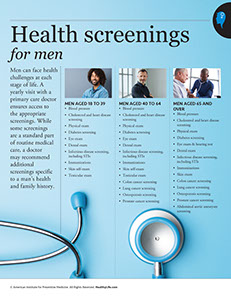
    Men can face health challenges at each stage of life. A yearly visit with a primary care doctor ensures access to the appropriate screenings. While some screenings are a standard part of routine medical care, a doctor may recommend additional screenings specific to a man’s health and family history.

    Men aged 18 to 39

    *  Blood pressure

    *  Cholesterol and heart disease screening

    *  Physical exam

    *  Diabetes screening

    *  Eye exam

    *  Dental exam

    *  Infectious disease screening, including STIs

    *  Immunizations

    *  Skin self-exam

    *  Testicular exam

    Men aged 40 to 64

    *  Blood pressure

    *  Cholesterol and heart disease screening

    *  Physical exam

    *  Diabetes screening

    *  Eye exam

    *  Dental exam

    *  Infectious disease screening, including STIs

    *  Immunizations

    *  Skin self-exam

    *  Testicular exam

    *  Colon cancer screening

    *  Lung cancer screening

    *  Osteoporosis screening

    *  Prostate cancer screening

    Men aged 65 and over

    *  Blood pressure

    *  Cholesterol and heart disease screening

    *  Physical exam

    *  Diabetes screening

    *  Eye exam & hearing test

    *  Dental exam

    *  Infectious disease screening, including STIs

    *  Immunizations

    *  Skin exam

    *  Colon cancer screening

    *  Lung cancer screening

    *  Osteoporosis screening

    *  Prostate cancer screening

    *  Abdominal aortic aneurysm screening
    © American Institute for Preventive Medicine
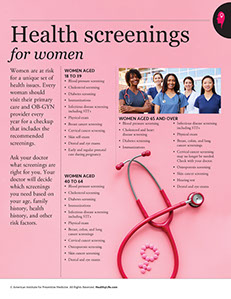
  • Health Screenings For Women

    SELF-CARE CORNER

    Stethoscope and female symbol pills on pink top view.

    Women are at risk for a unique set of health issues. Every woman should visit their primary care and OB-GYN provider every year for a checkup that includes the recommended screenings.

    Ask your doctor what screenings are right for you. Your doctor will decide which screenings you need based on your age, family history, health history, and other risk factors.

    Women aged 18 to 39

    *  Blood pressure screening

    *  Cholesterol screening

    *  Diabetes screening

    *  Immunizations

    *  Infectious disease screening including STI’s

    *  Physical exam

    *  Breast cancer screening

    *  Cervical cancer screening

    *  Skin self-exam

    *  Dental and eye exams

    *  Early and regular prenatal care during pregnancy

    Women aged  40 to 64

    *  Blood pressure screening

    *  Cholesterol screening

    *  Diabetes screening

    *  Immunizations

    *  Infectious disease screening including STI’s

    *  Physical exam

    *  Breast, colon, and lung cancer screenings

    *  Cervical cancer screening

    *  Osteoporosis screening

    *  Skin cancer screening

    *  Dental and eye exams

    Women aged 65 and over

    *  Blood pressure screening

    *  Cholesterol and heart disease screening

    *  Diabetes screening

    *  Immunizations

    *  Infectious disease screening including STI’s

    *  Physical exam

    *  Breast, colon, and lung cancer screenings

    *  Cervical cancer screening may no longer be needed. Check with your doctor.

    *  Osteoporosis screening

    *  Skin cancer screening

    *  Hearing test

    *  Dental and eye exams

    © American Institute for Preventive Medicine
  • What Your Fingernails Reveal About Your Health

    Skin Conditions

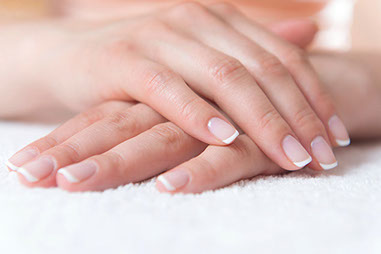
    Image of fingernails.

    You may see your hands hundreds of times a day, but do you ever examine them? Probably not. Yet taking a closer look – especially at our fingernails – may not be a bad idea. They’re a good indicator of overall health.

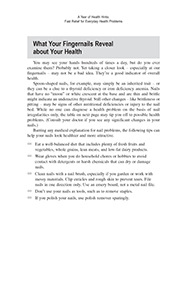
    Spoon-shaped nails, for example, may simply be an inherited trait – or they can be a clue to a thyroid deficiency or iron deficiency anemia. Nails that have no “moon” or white crescent at the base and are thin and brittle might indicate an underactive thyroid. Still other changes – like brittleness or pitting – may be signs of other nutritional deficiencies or injury to the nail bed. While no one can diagnose a health problem on the basis of nail irregularities only, the table on next page may tip you off to possible health problems. (Consult your doctor if you see any significant changes in your nails.)

    Barring any medical explanation for nail problems, the following tips can help your nails look healthier and more attractive.

    *  Eat a well-balanced diet that includes plenty of fresh fruits and vegetables, whole grains, lean meats, and low-fat dairy products.

    *  Wear gloves when you do household chores or hobbies to avoid contact with detergents or harsh chemicals that can dry or damage nails.

    *  Clean nails with a nail brush, especially if you garden or work with messy materials. Clip cuticles and rough skin to prevent tears. File nails in one direction only. Use an emery board, not a metal nail file.

    *  Don’t use your nails as tools, such as to remove staples. If you polish your nails, use polish remover sparingly.

    Nail Symptoms and What They Could Mean

    Brittleness: Frequent immersion in hot water; generally poor health; impaired circulation; possible deficiency of vitamins A, C, B6, or niacin, deficiency of calcium or iron; thyroid deficiency

    Clubbing: Chronic lung disease or lung cancer; congenital heart disease; congenital or hereditary defect

    Pitting (may be normal): Eczema; psoriasis; trauma

    Ridges: Emphysema; heredity; kidney failure; old age; rheumatoid arthritis, traumas

    Separation (when nail plate lifts off nail bed): Allergy to nail lacquer and hardeners; fungal infection; iron deficiency anemia; pregnancy; psoriasis; trauma

    Splitting at top edge: Immersion in water for long periods, nail polish removers

    Spoon shaped: Thyroid deficiency; iron deficiency anemia

    A Year of Health Hints book by the American Institute for Preventive Medicine. www.HealthyLife.com. All rights reserved.

    © American Institute for Preventive Medicine
  • 5 Must-Ask Questions For Your Next Checkup

    SELF-CARE CORNER

    Image of doctor and patient with thumbs up.

    Got a checkup coming up? Don’t let your doctor do all the talking. Speak up – and ask these important questions to get the most out of your visit. If you don’t understand an answer, always ask him or her to clarify. Your doctor wants to be sure you leave the office knowing how to get – or stay – healthy.

    Are there any vaccines I should get?

    Vaccines aren’t just for kids. Many important vaccines are

    given in the adult years, including:

    *  Influenza (flu)

    *  Tdap (tetanus, diphtheria, and pertussis)

    *  Shingles

    *  Pneumococcal (Pneumovax or Prevnar 13)

    *  Measles, mumps, rubella (MMR)

    The vaccines you need will depend on your age and health status. Your doctor is the best person to help you get fully protected from many diseases.

    Do you have my most recent family history?

    Tell your doctor if you have a family member with health conditions. This history helps you and your doctor think about what health conditions could affect you in the future. Catching problems early boosts your chances of successful treatment.

    Am I due for any cancer or health screenings?

    Your age, gender, family history, and current health all play a role in what tests you may need. High cholesterol, high blood pressure, depression, certain cancers, and diabetes are just a few of the conditions that can be found through preventive care.

    What can I do to feel my best?

    Whether it’s quitting smoking, weight loss, stress management, or other health tips, ask your doctor about your health concerns. Even if you’ve tried in the past to manage these issues, your doctor may have some fresh ideas or tips that could help. Or, if you’re feeling great and in excellent health, talk about ways you can maintain healthy habits in the months and years ahead.

    When should I have my next doctor’s visit?

    Follow-up visits may be needed if you’re managing certain health problems like diabetes or high blood pressure. Even if you don’t have health issues, regular checkups are important. Your doctor can tell you when you should come back for your next visit based on your age and any health concerns.

    Sources: Centers for Disease Control and Prevention, U.S. Department of Health and Human Services

    © American Institute for Preventive Medicine
  • The Importance Of Proper Eye Care

    SELF-CARE CORNER

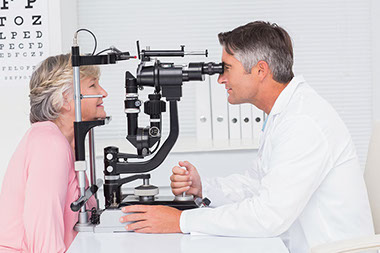
    Image of older women getting her eyes check by an eye doctor.

    Many people don’t think about their eyes until they start to hurt or develop a problem. But even if your eyes feel fine, they need proper care to keep them healthy. Follow the advice of the National Eye Institute:

    Get regular eye exams.

    Your doctor can recommend a schedule for you, depending on your age and other health factors. Many common eye diseases, such as glaucoma, diabetic eye disease and age-related macular degeneration, don’t have obvious symptoms. An eye exam can find these problems early, when they’re most treatable.

    Eat a healthy diet.

    Your eyes benefit from a diet rich in fruits, vegetables and omega-3 fatty acids. Talk with your doctor about the right diet for you.

    Keep them shaded.

    Wear sunglasses that have at least 99 percent UVA and UVB protection when you’re outside.

    Don’t smoke.

    Smoking hurts your health in many ways, including your sight. It increases your risk of eye problems that can lead to blindness. It’s never too late to quit. For free resources to help you quit, visitsmokefree.gov.

    Protect your eyes.

    Cover your face and eyes with goggles or a full-face mask when playing sports or doing work. Wear safety goggles when working with power tools and sharp objects. Follow your employer’s guidelines for wearing eye protection. Encourage your coworkers to do the same.

    Know your family history.

    If there are eye problems in your family, tell your doctor.

    © American Institute for Preventive Medicine