Tag: Family Life

  • Prevent Choking & Suffocation

    Home Safety

    Do This, Not That

    Choking and suffocation can occur at any age, but is more common in babies and toddlers. Choking is the 4th leading cause of unintentional death in children under the age of 5. At least 1 child dies from choking on food every 5 days in the U.S. Common foods and other items children choke on include:

    *  Bubble gum and other types of gum

    *  Peanuts, other nuts, and popcorn

    *  Peanut butter (especially from a  spoon or with soft white bread)

    *  Whole grapes and foods with pits, such as cherries

    *  Hot dogs (whole or cut into round pieces)

    *  Hard candy and cough drops

    *  Balloons, button-type batteries, small toy parts, marbles, coins, and safety pins.

    In adults, choking usually occurs when food is not chewed properly. The risk increases with talking or laughing while eating, drinking alcohol, taking drugs, or having a condition that impairs chewing or swallowing. In young adults, choking can result from playing the “choking game.” With this, the person uses a rope or belt to cut off blood and oxygen to the brain for a brief “high.”

    Learn first aid for choking for babies, children, and adults from your local Red Cross. Find a class in your area atwww.redcross.orgor call 800.733.2767 (800.RED.CROSS).

    Adults

    Children

    Safe at Home - Do This, Not That Book. Published by the American Institute for Preventive Medicine. www.HealthyLife.com. All rights reserved.

    © American Institute for Preventive Medicine

  • Youth Sports Safety

    Family Fitness

    Young child riding a bike.

    Every year, millions of children are injured while playing sports and doing physical activities. Most of these injuries could be prevented.

    Wearing a safety helmet helps prevent a closed head injury when biking, inline skating, etc.

    Some states and localities have mandatory laws for helmet usage.

    All helmets sold in the U.S. must meet the Consumer Product Safety Commission standard. There must be a sticker on the inside stating this. The fit of the helmet is not tested by the standards, so you should try the helmet on your child’s head before buying.

    Learn more about safety helmets from the Bicycle Helmet Safety Institute athelmets.org.

    Get youth sports safety guidelines from the National Youth Sports Health & Safety Institute atacsm.org/nyshsi/best-practices.

    A Year of Health Hints book by the American Institute for Preventive Medicine. www.HealthyLife.com. All rights reserved.

    © American Institute for Preventive Medicine

  • Drowsy Driving: Know The Signs

    WELL-BEING

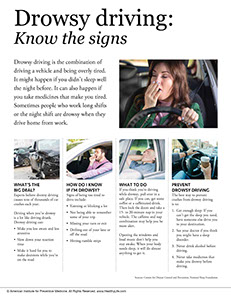
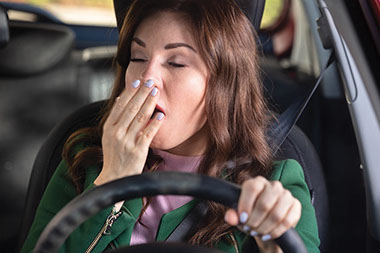
    Women yawning while driving.

    Drowsy driving is the combination of driving a vehicle and being overly tired. It might happen if you didn’t sleep well the night before. It can also happen if you take medicines that make you tired. Sometimes people who work long shifts or the night shift are drowsy when they drive home from work.

    What’s the big deal?

    Experts believe drowsy driving causes tens of thousands of car crashes each year.

    Driving when you’re drowsy is a lot like driving drunk. Drowsy driving can:

    *  Make you less aware and less attentive

    *  Slow down your reaction time

    *  Make it hard for you to make decisions while you’re  on the road

    How do I know if I’m drowsy?

    Signs of being too tired to drive include:

    *  Yawning or blinking a lot

    *  Not being able to remember some of your trip

    *  Missing your turn or exit

    *  Drifting out of your lane or off the road

    *  Hitting rumble strips

    What to do

    If you think you’re driving while drowsy, pull over in a safe place. If you can, get some coffee or a caffeinated drink. Then lock the doors and take a 15- to 20-minute nap in your vehicle. The caffeine and nap combination may help you be more alert.

    Opening the windows and loud music don’t help you stay awake. When your body needs sleep, it will do almost anything to get it.

    Prevent drowsy driving

    The best way to prevent crashes from drowsy driving is to:

    1. Get enough sleep. If you can’t get the sleep you need, have someone else drive you to your destination.

    2. See your doctor if you think you might have a sleep disorder.

    3. Never drink alcohol before driving.

    4. Never take medicines that make you drowsy before driving.

    Sources: Centers for Disease Control and Prevention, National Sleep Foundation

    © American Institute for Preventive Medicine

  • Positive Parenting Hacks

    FAMILY LIFE

    Parents with son, smile.

    Don’t focus on mistakes or bad behavior. Catch your child doing good things and point them out.

    Chores don’t have to be a punishment. Chores at home can help children learn life skills and independence.

    Spend a little time connecting each day. Take a few minutes to talk to your child without phones or screens.

    © American Institute for Preventive Medicine

  • Audit Your Home For Safety

    Home Safety

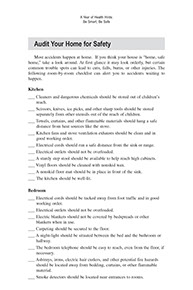
    Most accidents happen at home. If you think your house is “home, safe home,” take a look around. At first glance it may look orderly, but certain common trouble spots can lead to cuts, falls, burns, or other injuries. The following room-by-room checklist can alert you to accidents waiting to happen.

    Kitchen

    *  Cleaners and dangerous chemicals should be stored out of children’s reach.

    *  Scissors, knives, ice picks, and other sharp tools should be stored separately from other utensils out of the reach of children.

    *  Towels, curtains, and other flammable materials should hang a safe distance from heat sources like the stove.

    *  Kitchen fans and stove ventilation exhausts should be clean and in good working order.

    *  Electrical cords should run a safe distance from the sink or range.

    *  Electrical outlets should not be overloaded.

    *  A sturdy step stool should be available to help reach high cabinets.

    *  Vinyl floors should be cleaned with nonskid wax.

    *  A nonskid floor mat should be in place in front of the sink.

    *  The kitchen should be well-lit.

    Bedroom

    *  Electrical cords should be tucked away from foot traffic and in good working order.

    *  Electrical outlets should not be overloaded.

    *  Electric blankets should not be covered by bedspreads or other blankets when in use.

    *  Carpeting should be secured to the floor.

    *  A night-light should be situated between the bed and the bathroom or hallway.

    *  The bedroom telephone should be easy to reach, even from the floor, if necessary.

    *  Ashtrays, irons, electric hair curlers, and other potential fire hazards should be located away from bedding, curtains, or other flammable material.

    *  Smoke detectors should be located near entrances to rooms.

    Bathroom

    *  Floor mats should have nonskid backing.

    *  Rubber mats or adhesive-backed strips should be in place in the bathtub or shower stall.

    *  A support bar should be securely installed in the bathtub or shower stall.

    *  Hair dryers, electric shavers, or other electric appliances should be kept away from water and unplugged when not in use.

    *  A light switch should be located near the bathroom entrance or entrances.

    Halls and Stairs

    *  Halls and stairs should be well-lit, with a light switch at each end of a stairway.

    *  If a staircase is dimly lit, the top and bottom steps should be marked with reflective tape.

    *  Sturdy hand rails should be securely installed on both sides of each stairway.

    *  Floor covering on stairs and in halls should be skid-proof or carpeted and not creased or frayed.

    *  Stairways should be clear of shoes, books, toys, tools, or other clutter.

    *  When young children are in the house, gates should block access to stairways.

    Basement and Garage

    *  To avoid confusion and misuse, all chemicals and cleaners should be kept in their original containers.

    *  Hazardous chemicals should be kept under lock and key or out of reach of children.

    *  Sharp or otherwise potentially hazardous tools should be in good working order.

    *  Gasoline and other flammable materials should be stored in airtight containers and away from heat sources (outside the home, if possible).

    *  To prevent suffocation, dispose of all plastic bags, or keep them out of reach of children.

    *  Don’t leave objects small enough to be swallowed within reach of children.

    *  Buy a radon test kit from your state department of health or department of environmental protection, or contact the National Radon Hotline at 1.800.767.7236 for information on radon testing. (Radon is an invisible gas that causes health problems if it builds up in homes and can’t escape.) If your home has high radon levels, hire a reliable radon expert to help you reduce levels of this gas in your home.

    Elsewhere around the House

    *  Outdoor porches and walkways should be kept clear of ice in winter weather.

    *  Window screens should be securely fastened, especially if small children are around.

    *  Take steps to remedy unsafe situations as soon as possible.
    A Year of Health Hints book by the American Institute for Preventive Medicine. www.HealthyLife.com. All rights reserved.

    © American Institute for Preventive Medicine

  • Home Safety Checklist

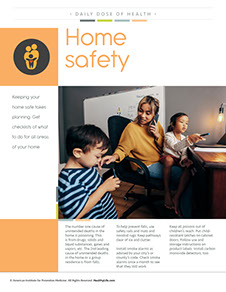
    Home Safety

    *  Keep your doors locked.

    *  Use a peephole in the front door.

    *  If you live alone, arrange for daily contact with a neighbor, relative, etc.

    *  Clearly post emergency numbers. Teach children how to call 9-1-1, etc. for help.

    *  Stock first aid supplies. In case of accidental poisoning, call the Poison Control Center (800.222.1222) for advice.

    *  Install smoke alarms and a carbon monoxide detector. Check them every 6 months. Keep a fire extinguisher handy.

    *  Never smoke in bed or when you feel drowsy. Better yet, don’t smoke at all!

    *  If you use a space heater, make sure it has an emergency shut off.

    *  Plan an escape route in case of fire. Practice it with all household members every couple of months.

    *  Keep flashlights handy.

    *  Use night lights.

    *  Keep stair areas well lit.

    *  Have snow and icy patches cleared from the sidewalk and steps.

    *  Be careful or stay home if it is icy or slippery outside.

    *  Monitor your medication use. Let your doctor know if medicine(s) affect your vision, balance, etc. If prescribed sedatives or tranquilizers, be careful when you take them. They can increase the risk of falls.

    *  Don’t get up too quickly after lying down, resting, or eating a meal. Low blood pressure can cause dizziness.

    *  Wear nonslip, snug-fitting shoes and slippers.

    *  Use safety mats or nonskid tape in your tub and shower. Install grab bars in the shower and tub, too.

    *  If you use a shower bench, use one with rubber tips on its legs.

    *  Before getting in the tub, test the bath water. Make sure it is not too hot.

    *  Never lock the bathroom door.

    *  Use a cane or walker, if necessary.

    *  Install handrails on both sides of the stairs. Keep clutter off stairs.

    *  Don’t use loose area rugs. See that carpet on stairs is nailed down securely.

    *  Arrange furniture so there is a clear path for walking. Test if furniture is sturdy enough to lean on.

    *  Clear away phone or electrical wires from walk paths.

    *  Use a step stool with a safety rail.

    *  Be alert to spills or wet floors.

    *  To pick up things, bend at your knees and keep your back straight. Don’t stoop.

    Healthier at Home book by the American Institute for Preventive Medicine. www.HealthyLife.com. All rights reserved.

    © American Institute for Preventive Medicine

  • Prevent Drowning

    Home Safety

    Do This, Not That

    According to the Centers for Disease Control and Prevention (CDC):

    *  Drowning ranks 5th among the leading causes of unintentional injury death in the United States.

    *  About 10 people die from unintentional drowning every day. Of these, 2 are children aged 14 or younger.

    *  An additional 347 people die each year from drowning in boating-related incidents.

    *  Drownings are the leading cause of death for young children ages 1 to 4. Most of these drownings occur in home swimming pools.

    *  Among adolescents and adults, alcohol use is involved in up to 70% of deaths associated with water recreation, almost a quarter of Emergency Department visits for drowning, and about 1 in 5 reported boating deaths. Alcohol influences balance, coordination, and judgment. Its effects are heightened by sun exposure and heat.

    General Guidelines

    Safe at Home - Do This, Not That Book. Published by the American Institute for Preventive Medicine. www.HealthyLife.com. All rights reserved.

    © American Institute for Preventive Medicine

  • Feeding The Picky Eater

    FAMILY LIFE

    Image of young girl excited to eat.

    Pre-dinner tips

    *  Get your child involved. Many kids can help with shopping and cooking. Being involved in the process may make them more likely to try new foods. Have them choose a favorite fruit or vegetable from the store. Younger children can help pour ingredients or cut soft foods, like bananas, with a butter knife. Older children can help with measurements.

    *  Get some exercise. Kids who have been actively playing may be hungrier when dinner comes. The hungrier they are, the more likely they may try new things.

    *  Turn off devices. Make family mealtimes relaxing and unplugged. Ban cell phones, television or other devices from the table.

    Size matters

    Don’t force your child to eat foods they don’t like. Rather, put a “sample size” on their plate. It can be just one bite of food. This may be less overwhelming than serving a large portion to them.

    Sanity-saving steps

    *  Make healthier snacks to fill the gaps. Serve fresh fruit or vegetables as a snack to get in extra nutrients. Skip the processed crackers and chips.

    *  Don’t have a battle. Forcing your child to eat could make them dislike their food even more.

    *  Don’t use bribes or rewards for eating. Rewards teach your child to expect something every time he/she tries a new food.

    *  Make one healthy meal for everyone. Don’t feel pressured to make “special meals” for picky eaters.

    *  Talk about your child’s eating habits with their doctor. Most picky eaters are getting enough of the foods they need. But, ask their pediatrician just in case. Some children need supplements to help get extra nutrients that they’re missing.

    Source: American Academy of Pediatrics

    © American Institute for Preventive Medicine

  • Preparing For College Move-In

    FAMILY LIFE

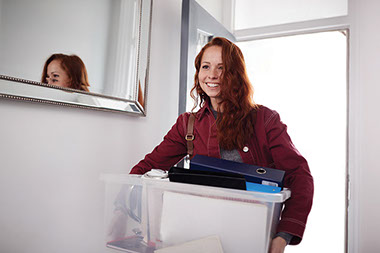
    Female college student carring in a full bin of stuff.

    It’s time to send your young adult off for their first semester of college. Here are some tips to be sure they’re ready for move-in day.

    *Pack light.Only pack the basics you know they will use and plan to order additional items when needed.

    *Bring cleaning supplies.Have them handy when you first arrive.

    *Limit who helps with the move.College move-in can be chaotic, and the fewer people, the better.

    *Pack seasonally.Your college student won’t need a winter coat in August. Use vacuum seal bags for items that will be needed later.

    *Find the nearest drugstore, grocery store, and restaurants.Make sure your student knows how to access transportation to get there.

    *Bring lots of snacks.Move-in day can be physically as well as emotionally taxing. Make sure everyone stays well hydrated and fed so you can enjoy the day together.

    © American Institute for Preventive Medicine

  • Be Healthy At Each Cycle Of Life. Recycle Along The Way.

    Home Safety

    Women with smart watch and fist up in the air.

    *  Being healthy at each cycle of life includes healthy eating, exercising, getting quality sleep, and avoiding smoking and secondhand smoke. It also includes getting health tests and vaccines that you need.

    *  Re-use paper bags.

    *  Buy recycled products and items that come in recycled packaging.

    *  Donate usable items to others instead of adding them to the trash.

    *  Rely less on disposable products used for eating, cleaning, and grooming. Use rechargeable batteries.

    *  Recycle paper, newspapers, junk mail, aluminum cans, glass bottles, and plastic. Follow the recycling rules of your city. If you do not have home recycling, take items to a recycling collection center. To find one near you, call 800.CLEAN.UP (253.2687) or visitearth911.com. Involve the whole family in recycling. Recycle at your place of work. Encourage coworkers to do the same.

    A Year of Health Hints book by the American Institute for Preventive Medicine. www.HealthyLife.com. All rights reserved.

    © American Institute for Preventive Medicine