Tag: safety

  • Make Your Summer Workout Easier

    BE FIT

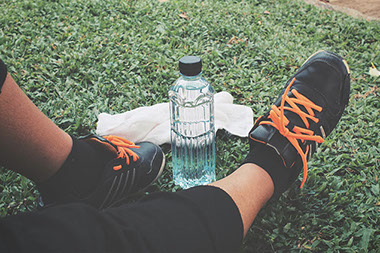
    Feet wearing tennis shoes and a bottle of water on grass.

    You can still enjoy a productive workout during the warmer months. Try these tips:

    1.Start early with water.Don’t wait to start drinking water right before you exercise. Drink water throughout the day to keep your body hydrated. Then, drink additional water during and after your workout.

    2.Go indoors when heat and humidity are too high.Don’t try to brave extreme weather with an outdoors workout. Heat exhaustion and heat stroke are dangerous and can happen to anyone. On heat advisory days, take your workout indoors.

    3.Wear the right clothes.Choose light-colored clothing that is made for sweating and workouts. Many new, lighter fabrics will keep sweat and moisture away, which makes you feel cooler. Cotton clothing is best suited for low-humidity weather conditions.

    4.Shun the midday sun.In the summer, limit or avoid heavy workouts from 10 a.m. to 4 p.m. The sun and temperatures will be hottest during these times. Instead, go out early in the morning or in the evening.

    Source: Academy of Nutrition and Dietetics

    © American Institute for Preventive Medicine

  • After-Dark Joggers, Heed This Advice

    Personal Safety

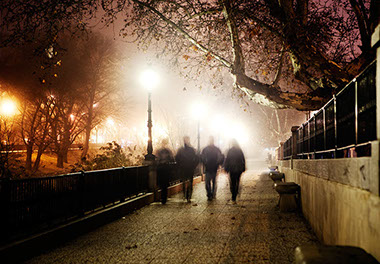
    Image of people walking/jogging in the dark.

    If you walk, run, or jog after sundown, the following tips help motorists spot you.

    *  Attach reflective tape to the front and back of your clothes.

    *  Carry a lit flashlight.

    *  Don’t use the road; stay on the shoulder, or preferably the sidewalk. Move against (facing) traffic if you must use the shoulder.

    *  Be aware of your surroundings and plan to jump to safety if a vehicle veers toward you.

    A Year of Health Hints book by the American Institute for Preventive Medicine. www.HealthyLife.com. All rights reserved.

    © American Institute for Preventive Medicine

  • Prevent Injuries

    Work Life

    Most workplace injuries can be prevented. What you need to do depends on the job you do and the hazards you are exposed to. Your place of work may have certain standards and safety measures. Some are set by the Occupational Safety and Health Administration (OSHA). Know and follow your workplace’s safety rules. Ask questions if you don’t understand them.

    General Safety Tips

    *  Help prevent slip and falls.

    – Keep walk areas free from clutter. Secure telephone and electrical cords to prevent tripping.

    – Wear nonskid shoes or footwear with a tread pattern to prevent slips, if needed.

    – Keep walking surfaces dry and free of water, grease, etc.

    – Use proper lighting. Look where you are going. Don’t carry things that block your vision.

    – Don’t lean back in your chair.

    – Don’t climb on chairs or boxes. Use a ladder that lets you safely reach items.

    *  Don’t pile items on stairs or against doors.

    *  Report injuries and “near misses” of injuries to your supervisor or to security. Follow your company’s rules for this.

    Safety for High Risk Occupations

    Certain jobs may require workers to:

    *  Use Material Safety Data Sheets (MSDSs). These tell you how to use chemicals safely. They can be on printed pages and in a computer. Know where this data is. Use the information given.

    *  Wear protective headgear (e.g., hard hats, hair covers, etc.).

    *  Wear safety glasses with side shields, goggles, face shields, tinted glasses to reduce glare, etc. Keep eyewear clean and in good condition. Replace it if it is broken or has a defect.

    *  Wear ear plugs or special ear muffs. These protect hearing from damage.

    *  Wear steel-toe shoes or boots.

    *  Protect your lungs from dust, fumes, gases, vapors, etc. If needed, use the right type of mask or respirator for the material you are working with. Not all masks filter all particles or gases. Have your respirator “fit tested” to assure safe use.

    Healthier at Home book by the American Institute for Preventive Medicine. www.HealthyLife.com. All rights reserved.

    © American Institute for Preventive Medicine

  • Nuts & Allergies

    HEALTHY EATING

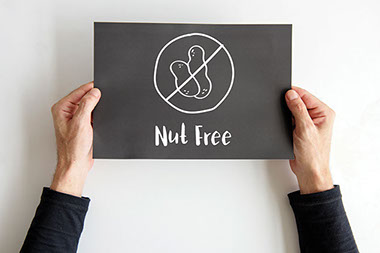
    Image of hands holding sign that says "Nut Free".

    Food allergies affect millions of people. With a food allergy, the immune system reacts to the food like it’s an invader. It may cause swelling, trouble breathing, hives and itching.

    Nut allergy dangers

    Nut allergies can be life-threatening.

    A person who is allergic to nuts could have a reaction from being near someone eating nuts. Even a tiny crumb of nuts left on a table could be life-threatening. This is why many schools do not allow nuts in classrooms or lunchrooms.

    If you or your family member has a nut allergy, you can still enjoy some nut alternatives. They can be just as delicious – and nutritious – as nuts.

    Nut alternatives

    Nuts contain plant-based protein, healthy fats and some vitamins and minerals. If you can’t eat nuts, don’t worry. There are other foods with these benefits!

    *Legumes:Soybeans, peas, lentils and chickpeas are legumes. They can be roasted as a snack or in salads. Some people are allergic to some types of legumes, however. Be sure to ask about legume allergies before using them for passing dishes or at school.

    *Seeds:There are so many kinds to choose from, like sunflower, pumpkin, chia, flax and hemp. They go well with salads, in smoothies or as a snack.

    *Avocadoes:Although not a significant source of protein, avocadoes are rich in healthy fats, B vitamins, potassium and magnesium. Avocadoes can go on many foods, from toast to salads to  stir-frys.

    Nut-Free butter Options

    Many nut-free butters make a great sandwich or spread for fruit. They taste a lot like peanut butter but without the peanuts.

    Today’s nut-free butters may contain soybeans, sunflower seeds, chickpeas or peas. These can all be healthy alternatives to nuts. Most contain some healthy fats and protein. Check the label for added salt or sugar.

    The Bottom Line

    Nuts are a healthy choice – and there are allergy-free options available. If you have an allergy to nuts, read all food labels. Look at allergen information and ingredients to stay safe.

    © American Institute for Preventive Medicine

  • Being Ready For A Disaster

    Home Safety

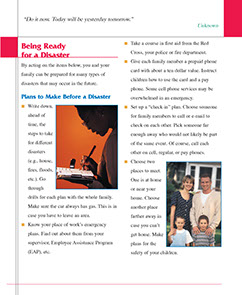
    By acting on the items below, you and your family can be prepared for many types of disasters that may occur in the future.

    General Tips to Stay Safe

    *  Be alert and aware of what’s around you (e.g., a strange car parked in the same spot for a long time or an odd package). Report these and threats of violence to local police. Since the attack inside Columbine High School in 1999, plans for violence in other schools have been prevented because people have found and told police about notes with plans, materials to make bombs, etc. Stay calm and patient.

    *  Listen for sirens that alert you about a possible disaster.

    *  Tune into the TV or radio for news as well as what to do. The Emergency Alert System (EAS) decides what actions should be taken. For more information, contactwww.fcc.gov/eb/eas.

    *  Check for injuries and give first aid, if needed.

    Plans to Make Before a Disaster

    *  Write down, ahead of time, the steps to take for different disasters (e.g., house, fires, floods, etc.). Go through drills for each plan with the whole family. Make sure the car always has gas. This is in case you have to leave an area.

    *  Know your place of work’s emergency plans. Find out about them from your supervisor, Employee Assistance Program (EAP), etc.

    *  Take a course in first aid from the Red Cross, your police or fire department.

    *  Give each family member a prepaid phone card with about a ten dollar value. Instruct children how to use the card and a pay phone. Some cell phone services may be overwhelmed in an emergency.

    *  Set up a “check-in” plan. Choose someone for family members to call or e-mail to check on each other. Pick someone far enough away who would not likely be part of the same event. Of course, call each other on cell, regular, or pay phones.

    *  Choose two places to meet. One is at home or near your home. Choose another place farther away in case you can’t get home. Make plans for the safety of your children.

    *  If you have children in school, find out the school’s crisis plan. Know the school’s policy for sending children home. Make sure the school has current phone numbers for you and other caregivers in case you can’t be reached. Find out what the school needs to have to release your child to designated caregivers.

    *  If you have a pet, plan for its safety. For more information, contact the Red Cross orwww.disasterrelief.org/library/prepare/pets.html.

    *  When you enter a building, find emergency exits and stairways. Plan ahead how to get out quickly from buildings, vehicles, crowded public places, etc.

    *  Make an emergency supply kit. Put these things in backpacks or containers that one or more family members can easily carry:

    – Three days’ supply of bottled water (one gallon a day per person if possible. Put these next to, not in your containers.)

    – Food that won’t spoil. A hand can opener.

    – Flashlight and extra batteries

    – A battery powered radio or TV and extra batteries

    – First aid kits for the home and the car

    – Sleeping bags or blankets

    – A change of clothing for each person

    – Items for family members with special needs (e.g., baby supplies, medicines, etc.)

    – Duct tape and dry towels that you can make wet to make a room airtight

    – Bleach

    – Important documents, cash, and credit cards

    For more information on being ready for disasters, contactwww.redcross.orgor call your local Red Cross. Ask about their “Preparing for the Unexpected” class. This one and a half-hour class teaches families and employees safety steps to take for many kinds of disasters.

    Types of Disasters

    Weather Disasters

    *  Find out and be prepared for disasters that are likely to occur in your area (e.g., floods, earthquakes, tornados, etc.).

    *  Tune in, daily, to weather forecasts. The Emergency Broadcast System (EBS) uses radio and TV stations to issue a WATCH (for an expected emergency) or a WARNING (for an emergency in progress or one that is about to occur).

    *  Heed the warnings given. Emergency sirens may also sound. Know when your community does a practice drill for sirens (e.g., the first Saturday of the month at 1:00 p.m). Then you won’t confuse this with an actual emergency.

    *  Watch for fallen power lines. Avoid them.

    For more information on weather updates, contact The National Weather Service atwww.nws.noaa.gov.

    Biological Terrorism

    Biological terrorism includes anthrax, smallpox, and other biological agents. If a biological attack occurs, the public will be informed and told what to do. Stay calm and listen for instructions on the radio or television.

    For up-to-date information on biological agents, contact the Centers for Disease Control and Prevention. Call 888.246.2675 (English), 888.246.2857 (Spanish) or visitwww.bt.cdc.gov.

    Bomb Threats

    *  Don’t touch strange packages.

    *  Be suspicious if packages have a ticking sound or have wires or aluminum foil sticking out from them.

    *  Leave the building as fast as you can.

    *  Call local police and the building manager.

    *  When leaving a building, try not to walk by windows.

    For more information, contactwww.disasterrelief.org.

    Anthrax

    Anthrax has already led to illness and death for a limited number of Americans. How concerned should you be about this now? Again, knowledge is power. Don’t panic!

    Know these simple facts:

    *  Anthrax is caused by a specific bacteria. If caught early enough, it can be treated with antibiotics. It does not spread from person to person.

    *  Know what anthrax looks like. It can be brownish and grainy. This is a crude form. It can also be a very fine, white powder.

    *  Know the symptoms of anthrax infections. Symptoms depend on the way anthrax causes the infection. The most common way to get infected is anthrax exposure through a cut or abrasion in the skin. When treated early, this is curable. Inhaled anthrax is more harmful, but is also treatable if found very early.

    Signs and Symptoms of Inhaled Anthrax

    *  Fever

    *  Cough (dry, not with phlegm)

    *  Muscle aches

    *  A hard time breathing

    *  Chest discomfort

    *  A runny nose is not a symptom.

    Signs and Symptoms of Skin Anthrax

    *  A raised, itchy bump that looks like a bug bite

    *  Within two days, this changes into a fluid-filled sac.

    *  A painless ulcer with a dark or black area in the center

    What Else Can You Do?

    *  Get a flu shot at the start of flu season. This lessens the chance of getting the flu. Then you won’t confuse flu symptoms with those of anthrax.

    *  Seek medical care for anthrax symptoms. This is most important for persons who could have been exposed to anthrax where they work or live.

    *  Take antibiotics only if they are prescribed. Don’t take them “just in case” to prevent getting anthrax. Taking antibiotics when they are not needed could lead to resistant bacteria. This means the medicine will no longer work against the germ.

    *  When you open mail keep it away from your face.

    *  Don’t blow or sniff the contents.

    *  WASH YOUR HANDS WELL AFTER YOU HANDLE MAIL!

    *  For more information on anthrax, contactwww.bt.cdc.gov.

    Smallpox

    Smallpox is caused by a specific virus. It was wiped out as a disease in 1977, but may exist in labs in some foreign countries. This makes it possible for use in germ warfare. Smallpox is very contagious.

    What Can You Do?

    *  Listen to the news on a regular basis. If a confirmed case of smallpox occurs, the public will be informed and told what to do.

    *  Know the symptoms of smallpox.

    *  For people exposed to smallpox, a vaccine (from an emergency supply) can be given to lessen the severity of or even prevent the illness. The vaccine needs to be given within 4 days after exposure, though.

    {Note: Besides anthrax and smallpox, there are other biological agents that terrorists could use. The government will provide information if this is an issue to be concerned about.}

    Signs and Symptoms of Smallpox

    These occur about 12 days after exposure.

    *  High fever

    *  Fatigue

    *  Headache

    *  Backache

    *  Skin rash, mostly on the face and then on the arms and legs a few days later

    *  The rash starts out flat and red and then becomes pus-filled.

    *  Crusts form early in the second week.

    *  Scabs form and

    Explosions and Fires

    *  Follow fire prevention measures. Install and maintain smoke alarms. Plan escape routes from both your home and your place of work. For a more complete list of fire prevention tips, contact: National Fire Protection Association atwww.nfpa.orgor contactwww.firesafetytips.com.

    *  Know the building’s emergency plan.

    *  Know where fire exits are.

    *  Keep fire extinguishers working. Know where they are and how to use them.

    *  Learn first aid.

    *  Keep a battery-operated radio, flashlights and extra batteries, a first-aid kit, and bright tape to mark off unsafe areas on each floor.

    *  Stay calm and exit the building quickly.

    *  If things are falling, get under a strong table or chair.

    For more information on fire safety, contactwww.disasterrelief.org.

    When Inside a Building Where a Fire Occurs

    *  Get out! Stay low (crawl) and exit the burning building as fast as you can.

    *  Feel the top, middle, and bottom of a closed door for heat. If the door is not warm, brace yourself against the door and open it slowly. If the door is warm, find another way out.

    *  Always stay below the smoke.

    *  After you are out, call 911!

    When Trapped in a Collapsed Building

    *  Use a flashlight, if you have one.

    *  Don’t move more than necessary so you won’t kick up dust. Cover your mouth with clothing.

    *  To help someone find you, tap a pipe or wall or whistle. Don’t yell. Doing so can cause you to breathe in dangerous amounts of dust. Shout only as a last resort.

    *  Wait for emergency workers. (Untrained people should not try to go inside a collapsed building for any reason.)

    Harmful Chemical Exposures

    Once in awhile, you hear about chemical leaks from industrial sites. The threat of chemical warfare is also on the minds of Americans. Of utmost concern is to keep your home safe.

    What Can You Do?

    *  Install a carbon monoxide detector in your home and garage. Follow the manufacturer’s instructions.

    *  If the alarm sounds, open windows and doors. Leave the building right away. Call 911 if persons are dizzy, weak, short of breath, confused, etc. If not, turn off all appliances that use fuel and have a qualified person inspect your home.

    *  Don’t run cars and lawn mowers in the garage. Don’t use gas ranges for heat.

    *  Have your home furnace, chimney, and flue checked by a qualified person every year. If you think there is a gas leak, call the local gas company and follow their advice.

    *  Use common sense. Buying biohazard suits and expensive gas masks are a waste of money.

    *  If you work at a company where a harmful chemical leak or exposure could occur, follow your workplace safety guidelines. Use Material Safety Data Sheets (MSDS’s), which tell you how to use chemicals safely. Know where this data is. Use the information given.

    *  In the event of a chemical leak or exposure, follow the advice of local officials. You may be told to “evacuate” or “shelter in place.”

    Evacuate

    *  If officials tell you to leave the area, do so right away.

    *  Take your disaster supply kit, if available.

    *  Wear pants, long-sleeved shirts, and sturdy shoes for protection.

    *  Lock your home.

    *  Travel routes approved by local officials. Shortcuts could be dangerous or closed.

    *  Take pets.

    *  Watch for fallen power lines and avoid them.

    Shelter in Place

    If local officials recommend to “shelter in place,” stay in your home or workplace.

    *  Close and lock windows and outside doors.

    *  Turn off heating and cooling units and fans.

    *  Close the fireplace flue.

    *  Get your disaster supply kit, if available.

    *  Turn on the radio and listen for what to do.

    *  If you can, go to an inside room with no windows above ground level.

    *  Seal vents and cracks around doors with duct tape and wet towels. Tape all the faucets and drains, too.

    Contact with chemicals can kill. For this reason, do not leave the shelter to help victims. Persons trained to deal with harmful chemicals should treat victims.
    Take Charge, Coping with a Crisis book by the American Institute for Preventive Medicine. www.HealthyLife.com. All rights reserved.

    © American Institute for Preventive Medicine

  • Avoiding Stranger Danger Isn’T Just For Kids

    Home Safety

    Image of a person in shadow.

    Always be on alert and aware of your surroundings.

    You don’t have to be paranoid that people are out to get you, but you should be cautious to avoid being robbed, carjacked, raped, and even killed for nothing more than a pair of shoes. Protect yourself and those you love.

    At home:

    *  When you move into a new home or apartment, change all locks right away.

    *  Use deadbolt locks on doors. Secure windows so they can’t be opened more than five inches from the outside.

    *  Keep shades or curtains drawn after dark and turn on outside lights.

    *  Install motion sensor lights that turn on when someone passes by.

    *  Don’t open your door to anyone you don’t know.

    *  Don’t list your first name in the phone book. Keep your name off your mailbox.

    On the go:

    *  Carry a cell phone with you. Make sure it’s charged.

    *  Walk tall on the streets and stay alert. Avoid walking alone at night, dark alleys, and people who look suspicious.

    *  Carry a whistle or stickpin.

    *  Make sure your car has plenty of gas.

    *  If your car breaks down, call for help. Stay inside with the doors locked and the windows up. Turn on your flashers and wait for police or other help to arrive.

    *  If someone approaches your car, crack your window and ask him or her to call for help. Don’t let the person into your car.

    *  Don’t hitchhike or pick up hitchhikers.

    *  If you are going on a date with someone you just met, meet him or her in a public place.

    Action Step

    Use common sense. Don’t jog, bike, or hike alone in secluded areas day or night. Instead, join a club or ask a friend who shares the same interests to join you.

    Ways to Well-Being book by the American Institute for Preventive Medicine. www.HealthyLife.com. All rights reserved.

    © American Institute for Preventive Medicine

  • Polypharmacy: What To Know

    MEDICAL NEWS

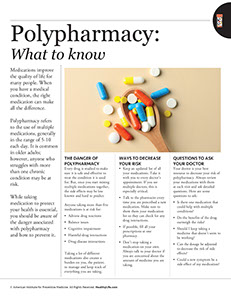
    Wooden spoon filled with variety of pills.

    Medications improve the quality of life for many people. When you have a medical condition, the right medication can make all the difference.

    Polypharmacy refers to the use of multiple medications, generally in the range of 5-10 each day. It is common in older adults; however, anyone who struggles with more than one chronic condition may be at risk.

    While taking medication to protect your health is essential, you should be aware of the danger associated with polypharmacy and how to prevent it.

    The danger of polypharmacy

    Every drug is studied to make sure it is safe and effective to treat the condition it is used for. But, once you start mixing multiple medications together, the side effects may be less known and hard to predict.

    Anyone taking more than five medications is at risk for:

    *  Adverse drug reactions

    *  Balance issues

    *  Cognitive impairment

    *  Harmful drug interactions

    *  Drug-disease interactions

    Taking a lot of different medications also creates a burden on you, the patient, to manage and keep track of everything you are taking.

    Ways to decrease your risk

    *  Keep an updated list of all your medications. Take it with you to every doctor’s appointment. If you see multiple doctors, this is especially critical.

    *  Talk to the pharmacist every time you are prescribed a new medication. Make sure to show them your medication list so they can check for any drug interactions.

    *  If possible, fill all your prescriptions at one pharmacy.

    *  Don’t stop taking a medication on your own. Always talk to your doctor if you are concerned about the amount of medicine you are taking.

    Questions to ask your doctor

    Your doctor is your best resource to decrease your risk of polypharmacy. Always review your medications with them at each visit and ask detailed questions. Here are some questions to ask:

    *  Is there one medication that could help with multiple conditions?

    *  Do the benefits of the drug outweigh the risks?

    *  Should I keep taking a medicine that doesn’t seem to be working?

    *  Can the dosage be adjusted to decrease the risk of side effects?

    *  Could a new symptom be a side effect of my medication?

    © American Institute for Preventive Medicine

  • Be Safe – Prevent Falls Checklist

    Home Safety

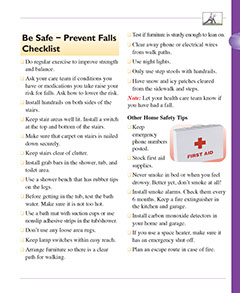
    *  Do regular exercise to improve strength and balance.

    *  Ask your care team if conditions you have or medications you take raise your risk for falls. Ask how to lower the risk.

    *  Install handrails on both sides of the stairs.

    *  Keep stair areas well lit. Install a switch at the top and bottom of the stairs.

    *  Make sure that carpet on stairs is nailed down securely.

    *  Keep stairs clear of clutter.

    *  Install grab bars in the shower, tub, and toilet area.

    *  Use a shower bench that has rubber tips on the legs.

    *  Before getting in the tub, test the bath water. Make sure it is not too hot.

    *  Use a bath mat with suction cups or use nonslip adhesive strips in the tub/shower.

    *  Don’t use any loose area rugs.

    *  Keep lamp switches within easy reach.

    *  Arrange furniture so there is a clear path for walking.

    *  Test if furniture is sturdy enough to lean on.

    *  Clear away phone or electrical wires from walk paths.

    *  Use night lights.

    *  Only use step stools with handrails.

    *  Have snow and icy patches cleared from the sidewalk and steps.

    Note: Let your health care team know if you have had a fall.

    Other Home Safety Tips

    *  Keep emergency phone numbers posted.

    *  Stock first aid supplies.

    *  Never smoke in bed or when you feel drowsy. Better yet, don’t smoke at all!

    *  Install smoke alarms. Check them every 6 months. Keep a fire extinguisher in the kitchen and garage.

    *  Install carbon monoxide detectors in your home and garage.

    *  If you use a space heater, make sure it has an emergency shut off.

    *  Plan an escape route in case of fire.

    Health at Home Lifetime book by the American Institute for Preventive Medicine. www.HealthyLife.com. All rights reserved.

    © American Institute for Preventive Medicine

  • Suicidal Thoughts 2

    Mental Health

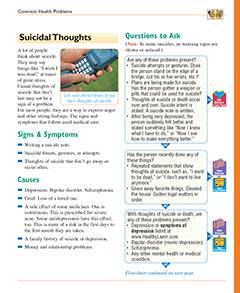
    Signs & Symptoms

    *  Writing a suicide note.

    *  Suicidal threats, gestures, or attempts.

    *  Thoughts of suicide that don’t go away or occur often.

    Causes

    *  Depression.

    *  Bipolar disorder.

    *  Schizophrenia.

    *  Grief. Loss of a loved one.

    *  A side effect of some medicines. One is isotretinoin. This is prescribed for severe acne. Some antidepressants have this effect, too. This is more of a risk in the first days to the first month they are taken.

    *  A family history of suicide or depression.

    *  Money and relationship problems.

    *  Increasing use of alcohol and/or drugs.

    *  Withdrawing from others.

    *  Showing rage or seeking revenge.

    *  Behaving recklessly.

    *  Talking about feeling trapped, hopeless, or in unbearable pain.

    Treatment

    *  Emergency care.

    *  Treating the mental and/or physical problems that lead to thoughts and attempts of suicide. Examples are bipolar disorder and depression.

    *  Counseling.

    *  Talking with family and friends often.

    Questions to Ask

    Self-Care / Prevention

    For Suicidal Thoughts

    *  Call the National Suicide Prevention Lifeline at 800.273.8255.

    *  Let someone know. Talk to your doctor, a trusted family member, friend, or teacher. If it is hard for you to talk to someone, write your thoughts down. Let someone else read them.

    To Help Prevent a Suicide

    *  Keep firearms, drugs, etc., away from persons at risk.

    *  Take courses that teach problem solving, coping skills, and suicide awareness.

    *  If you think the person is serious about suicide, get help. Watch and protect him or her until you get help. Keep the person talking. Ask questions such as, “Are you thinking about hurting or killing yourself?”

    *  Urge the person to call for help (e.g., his or her health care provider, a suicide prevention hotline, EMS, etc.) Make the call yourself if the person can’t or won’t.

    *  Express concern. The person needs to know that someone cares. Most suicidal persons feel alone. Tell the person how much he or she means to you and others. Talk about reasons to stay alive. Don’t judge. The person needs someone to listen, not preach moral values.

    *  Tell the person that depression and thinking about suicide can be treated. Urge him or her to get professional care. Offer help in seeking care.

    Resources

    Mental Health America (MHA)

    800.969.6642

    mentalhealthamerica.net

    National Suicide Prevention Lifeline

    800.273.TALK (273.8255)

    suicidepreventionlifeline.org

    Healthier at Home book by the American Institute for Preventive Medicine. www.HealthyLife.com. All rights reserved.

    © American Institute for Preventive Medicine

  • Safe Travels

    WELL-BEING

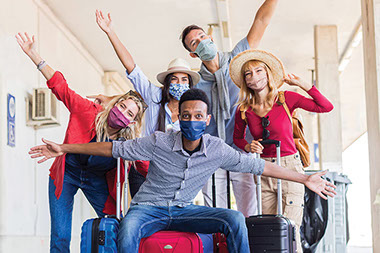
    Group of friends with luggage, wearing face masks, ready to travel.

    COVID has changed many things in recent years, including the way we travel. No one wants to end up sick on vacation or pass an infection to those around them. Thankfully, there are ways to make travel safer for everyone. A few simple precautions are all it takes.

    *  Get updated on your vaccines, including COVID and any specific vaccines recommended by your destination country.

    *  Check the COVID situation at your destination. If community spread is high, you may want to take extra precautions.

    *  Find out if there are any testing, vaccine, or other documentation requirements at any stage of your journey.

    *  While masks are not required everywhere, the CDC recommends masking up on public transportation.

    *  Consider getting a COVID test when you return if you were in an area with a high risk of exposure.

    *  Be patient and flexible. Everyone wants to get to their destination safely.

    © American Institute for Preventive Medicine