Tag: safety

  • Child Passenger Safety

    Child Safety

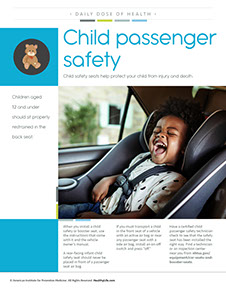
    Yound child in a car seat laughing.

    Child safety seats help protect your child from injury and death.

    Children aged 12 and under should sit properly restrained in the back seat.

    When you install a child safety or booster seat, use the instructions that come with it and the vehicle owner’s manual.

    A rear-facing infant child safety seat should never be placed in front of a passenger seat air bag.

    If you must transport a child in the front seat of a vehicle with an active air bag or near any passenger seat with a side air bag, install an on-off switch and press “off.”

    Have a certified child passenger safety technician check to see that the safety seat has been installed the right way. Find a technician or an inspection center near you fromnhtsa.gov/equipment/car-seats-and-booster-seats.

    A Year of Health Hints book by the American Institute for Preventive Medicine. www.HealthyLife.com. All rights reserved.

    © American Institute for Preventive Medicine

  • Violence & Abuse

    Mental Health

    Violence is the intended use or threat of force or power against one or more persons or even oneself. It results in physical or emotional harm, deprivation, or, too often, death. Worldwide, violence causes 44% of deaths among males; 7% among females.

    Abuse is one form of violence. It can be emotional, physical, economic, and/or sexual.

    Violence and abuse are law and order issues, as well as, personal and public health issues.

    Signs & Symptoms

    A person who commits violence and abuse does the things listed below. The signs often progress from ones that cause less harm to ones that can threaten life.

    *  Uses verbal abuse, such as name calling.

    *  Acts possessive and extremely jealous.

    *  Has a bad temper. Does violent acts in front of others, but doesn’t harm them. An example is putting a fist through a wall.

    *  Gives threats.

    *  Acts cruel to animals.

    *  Pushes, slaps, and/or restrains others.

    *  Punches. Kicks. Bites. Sexually assaults.

    *  Chokes others. Breaks bones. Uses weapons.

    Causes

    Violence and abuse are ways to gain and keep control over others. Persons who commit violence or abuse come from all groups and backgrounds. Often, they have these problems:

    *  Poor skills to communicate.

    *  A family history of violence. They may have been abused in the past. They may have seen one parent beat the other.

    *  Alcohol or drug abuse.

    Treatment

    Treatment for the victim of abuse or violence depends on the situation and includes:

    *  Emergency medical care. Calling the police.

    *  Going to a safe place, such as a shelter for victims of abuse.

    *  Counseling.

    *  Training to be assertive.

    In general, persons who abuse others or commit violence find it hard to change their behavior without professional help.

    Questions to Ask

    Self-Care / Prevention

    To Handle Being in an Abusive Relationship

    *  Get help!

    *  Have a safety plan for times you feel unsafe or in danger.

    – Decide who you will call (e.g., police, neighbors, relatives, a shelter). Make a list of these telephone numbers. Memorize them, too.

    – Decide where you will go. If you have children and pets, develop safety plans. Practice the safety plans with your children. Have a plan for taking them with you. Have plans for where they should go if you can’t get away.

    – Keep extra keys to your car and house in a safe place unknown to the person abusing you.

    – Put some cash in a safe place that you can get quickly in case you need money for transportation to a safe place.

    To Manage Conflict Without Violence

    *  When you communicate, state your needs without putting others down.

    *  Learn to deal with frustration, rejection, ridicule, jealousy, and anger.

    *  Accept differences in others. This includes sexual preferences, ethnic and religious backgrounds, etc. You do not need to change your beliefs, but don’t expect other persons to change theirs, either.

    *  Be an active listener. Focus on what the other person is saying. Try to understand his or her point of view. Or, simply accept it as an opinion.

    *  Take a course that teaches skills to manage conflict.

    *  When you can’t resolve a conflict on your own, get help.

    Resources

    National Center for Victims of Crime

    202.467.8700

    www.ncvc.org

    National Domestic Violence Hotline

    800.799.7233

    www.thehotline.org

    Healthier at Home book by the American Institute for Preventive Medicine. www.HealthyLife.com. All rights reserved.

    © American Institute for Preventive Medicine

  • Simple Steps For A Safe Thanksgiving Turkey

    HEALTHY EATING

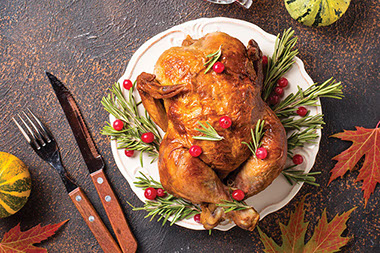
    Cooked turkey on plate.

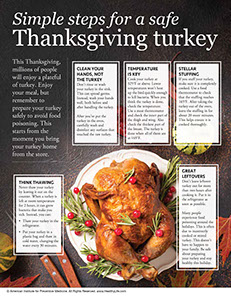
    This Thanksgiving, millions of people will enjoy a plateful of turkey. Enjoy your meal, but remember to prepare your turkey safely to avoid food poisoning. This starts from the moment you bring your turkey home from the store.

    Think thawing

    Never thaw your turkey by leaving it out on the counter. When a turkey is left at room temperature for 2 hours, it can grow bacteria that make you sick. Instead, you can:

    *  Thaw your turkey in the refrigerator.

    *  Put your turkey in a plastic bag and thaw in cold water, changing the water every 30 minutes.

    Clean your hands, not  the turkey

    Don’t rinse or wash your turkey in the sink. This can spread germs. Instead, wash your hands well, both before and after handling the turkey. After you’ve put the turkey in the oven, carefully wash and disinfect any surfaces that touched the raw turkey.

    Temperature is key

    Cook your turkey at 325°F or above. Lower temperatures won’t heat up the bird quickly enough to kill bacteria. When you think the turkey is done, check the temperature. Use a meat thermometer and check the inner part of the thigh and wing. Also check the thickest part of the breast. The turkey is done when all of them are at 165°F.

    Stellar stuffing

    If you stuff your turkey, make sure it is completely cooked. Use a food thermometer to check that the stuffing reaches 165°F. After taking the turkey out of the oven, leave the stuffing in for about 20 more minutes. This helps ensure it is cooked thoroughly.

    Great leftovers

    Don’t leave leftover turkey out for more than two hours after cooking it. Put it in the refrigerator as soon as possible.

    Many people experience food poisoning around the holidays. This is often due to incorrectly cooked or stored turkey. This doesn’t have to happen to your family. Be safe about preparing your turkey and stay healthy this holiday.

    © American Institute for Preventive Medicine

  • Youth Sports Safety

    Family Fitness

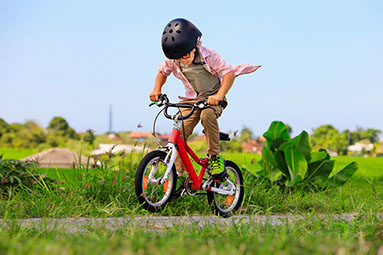
    Young child riding a bike.

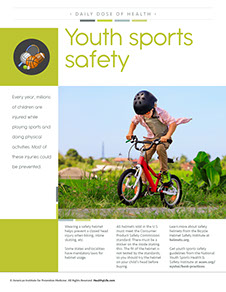
    Every year, millions of children are injured while playing sports and doing physical activities. Most of these injuries could be prevented.

    Wearing a safety helmet helps prevent a closed head injury when biking, inline skating, etc.

    Some states and localities have mandatory laws for helmet usage.

    All helmets sold in the U.S. must meet the Consumer Product Safety Commission standard. There must be a sticker on the inside stating this. The fit of the helmet is not tested by the standards, so you should try the helmet on your child’s head before buying.

    Learn more about safety helmets from the Bicycle Helmet Safety Institute athelmets.org.

    Get youth sports safety guidelines from the National Youth Sports Health & Safety Institute atacsm.org/nyshsi/best-practices.

    A Year of Health Hints book by the American Institute for Preventive Medicine. www.HealthyLife.com. All rights reserved.

    © American Institute for Preventive Medicine

  • Uv Safety 2

    SELF-CARE CORNER

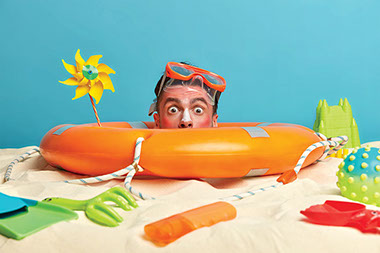
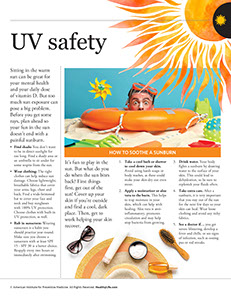
    Man's sun burn face popping out of swimming tube.

    Sitting in the warm sun can be great for your mental health and your daily dose of vitamin D. But too much sun exposure can pose a big problem. Before you get some rays, plan ahead so your fun in the sun doesn’t end with a painful sunburn.

    *Find shade:You don’t want to be in direct sunlight for too long. Find a shady area or an umbrella to sit under for some respite from the sun.

    *Wear clothing:The right clothes can help reduce sun damage. Choose lightweight, breathable fabrics that cover your arms, legs, chest and back. Find a wide-brimmed hat to cover your face and neck and buy sunglasses with 100% UV protection. Choose clothes with built-in UV protection, as well.

    *Rub in sunscreen:Wearing sunscreen is a habit you should practice year-round. Make sure you choose a sunscreen with at least SPF 15 – SPF 30 is a better choice. Reapply every two hours or immediately after swimming.

    How to soothe a sunburn

    It’s fun to play in the sun. But what do you do when the sun bites back? First things first, get out of the sun! Cover up your skin if you’re outside and find a cool, dark place. Then, get to work helping your skin recover.

    1.Take a cool bath or shower to cool down your skin.Avoid using harsh soaps or body washes, as these could make your skin dry out even more.

    2.Apply a moisturizer or aloe vera to the burn.This helps to trap moisture in your skin, which can help with healing. Aloe vera is anti-inflammatory, promotes circulation and may help stop bacteria from growing.

    3.Drink water.Your body fights a sunburn by drawing water to the surface of your skin. This could lead to dehydration, so be sure to replenish your fluids often.

    4.Take extra care.After a sunburn, it is very important that you stay out of the sun for the next few days so your skin can heal. Wear loose clothing and avoid any itchy fabrics.

    5.See a doctor if…you get severe blistering, develop a fever and chills, or see signs of infection, such as oozing pus or red streaks.

    © American Institute for Preventive Medicine

  • Handle Food With Care

    Home Safety

    Healthy eating starts with preparation.

    Your body will know if you’ve eaten harmful bacteria, because it can make you mildly to very sick. Bacteria spread easily onto hands, cutting boards, utensils, and countertops – all things that come into contact with food. To avoid problems, cook foods to  proper temperatures and follow some simple steps.

    Clean: Wash your hands and surfaces often.

    *  Wash your hands with warm water and soap for at least 20 seconds before and after handling food or touching other surfaces.

    *  Wash cutting boards, dishes, utensils, and countertops with hot soapy water after preparing each food item.

    *  Rinse fruits and vegetables with running tap water.

    Separate: Don’t cross-contaminate.

    *  Keep raw meat, poultry, seafood and eggs separate from other foods.

    *  Use one cutting board for fruits and vegetables and another for meat, poultry, seafood, or eggs.

    *  Never place cooked food on a plate that held raw food.

    Chill: Refrigerate perishable foods.

    *  Refrigerate or freeze meat, poultry, eggs, and other perishables as soon as you get home from shopping for foods.

    *  Don’t let raw meat, poultry, eggs, cooked food, or cut fruits or vegetables sit at room temperature more than two hours.

    *  Defrost foods in the refrigerator or cold water. Use the microwave on the defrost setting if you are cooking the food right away.

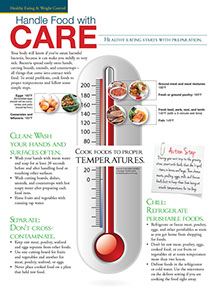
    Cook foods to proper temperatures.

    Eggs: 160ºF (Scrambled eggs should not be runny; whites and yolks should be firm.)

    Casseroles and leftovers: 165ºF

    Ground meat and meat mixtures: 160ºF

    Fresh or ground poultry: 165ºF

    Fresh beef, pork, veal, and lamb: 145ºF (with a 3-minute rest time)

    Fish: 145ºF

    Action Step

    During your next trip to the grocery store, start with foods that don’t spoil − items in boxes and bags. Then choose meats, poultry, eggs, milk, and frozen foods last to keep them from being at unsafe temperatures for too long.

    Ways to Well-Being book by the American Institute for Preventive Medicine. www.HealthyLife.com. All rights reserved.

    © American Institute for Preventive Medicine

  • Avoid Drowsy Driving 2

    SleepWell® Program

    Week 2

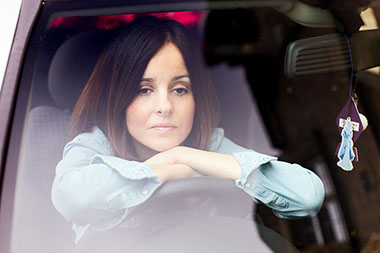
    Image of a drowsy driver.

    Driving while sleepy can severely impair your driving and cause an accident. Studies have linked sleepiness and fatigue to decreases in reaction time, decision making, and mind and body coordination. All of these factors are very important for safe driving.

    According to estimates from the American Automobile Association (AAA), one out of every five deadly traffic accidents is due to drowsy driving. More than one-quarter of drivers admitted to driving in the past month while having trouble keeping their eyes open. (Source: AAA, 2014.)

    Drive when you feel alert. On long drives, plan 15 minute breaks to get out and stretch your legs every two hours.

    Closing your eyes for even a second (called microsleep) can be enough to travel blindly far down the road (or off the road). If you drive while you are fatigued, you and anyone around you is at serious risk.

    Signs of fatigue:

    *  You can’t stop yawning

    *  You have trouble keeping your head up

    *  Your eyes close for a moment or go out of focus

    *  You have wandering, disconnected thoughts

    *  You have no memory of driving the last few miles

    *  You miss seeing a sign or your exit

    *  You slow down when you don’t mean to or break suddenly or too late

    *  You drift across the road or veer off onto rumble strips

    What to do:

    *  Pull to the side of the road or go to a rest stop

    *  Take a 15-20 minute nap. If you can, have 250-300 mg caffeine (amount in 2 cups of coffee) before the nap.

    *  Get a non-drowsy person to drive or find some way of getting home without driving yourself

    *  Drive to a motel or place where you can sleep

    © American Institute for Preventive Medicine

  • What To Know About Moldy Food

    HEALTHY EATING

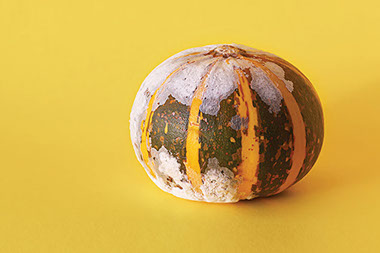
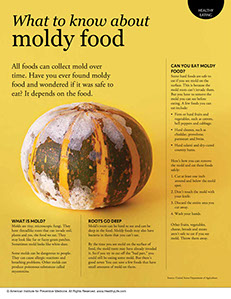
    A squash that has mold on it.

    All foods can collect mold over time. Have you ever found moldy food and wondered if it was safe to eat? It depends on the food.

    What is mold?

    Molds are tiny, microscopic fungi. They have threadlike roots that can invade soil, plants and yes, the food we eat. They may look like fur or fuzzy green patches. Sometimes mold looks like white dust.

    Some molds can be dangerous to people. They can cause allergic reactions and breathing problems. Other molds can produce poisonous substances called mycotoxins.

    Roots go deep

    Mold’s roots can be hard to see and can be deep in the food. Moldy foods may also have bacteria in them that you can’t see.

    By the time you see mold on the surface of food, the mold roots may have already invaded it. So if you try to cut off the “bad part,” you could still be eating some mold. But there’s good news: You can save a few foods that have small amounts of mold on them.

    Can you eat moldy food?

    Some hard foods are safe to eat if you see mold on the surface. This is because the mold roots can’t invade them. But you have to remove the mold you can see before eating. A few foods you can eat include:

    *  Firm or hard fruits and vegetables, such as carrots, bell peppers and cabbage.

    *  Hard cheeses, such as cheddar, provolone, parmesan and Swiss.

    *  Hard salami and dry-cured country hams.

    Here’s how you can remove the mold and eat these foods safely:

    1.  Cut at least one inch around and below the mold spot.

    2.  Don’t touch the mold with your knife.

    3.  Discard the entire area you cut away.

    4.  Wash your hands.

    Other fruits, vegetables, cheese, breads and meats aren’t safe to eat if you see mold. Throw them away.

    Source: United States Department of Agriculture

    © American Institute for Preventive Medicine

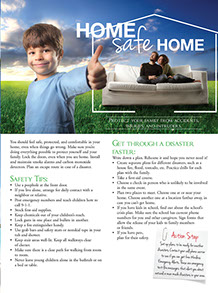
  • Home Safe Home

    Home Safety

    Protect your family from accidents, injuries, and intruders.

    You should feel safe, protected, and comfortable in your home, even when things go wrong. Make sure you’re doing everything possible to protect yourself and your family. Lock the doors, even when you are home. Install and maintain smoke alarms and carbon monoxide detectors. Plan an escape route in case of a disaster.

    Safety Tips:

    *  Use a peephole at the front door.

    *  If you live alone, arrange for daily contact with a neighbor or relative.

    *  Post emergency numbers and teach children how to call 9-1-1.

    *  Stock first-aid supplies.

    *  Keep chemicals out of your children’s reach.

    *  Lock guns in one place and bullets in another.

    *  Keep a fire extinguisher handy.

    *  Use grab bars and safety mats or nonskid tape in your tub and shower.

    *  Keep stair areas well-lit. Keep all walkways clear  of clutter.

    *  Make sure there is a clear path for walking from room to room.

    *  Never leave young children alone in the bathtub or on a bed or table.

    Ways to get through a disaster faster:

    Write down a plan. Rehearse it and hope you never need it!

    *  Create separate plans for different disasters, such as a house fire, flood, tornado, etc. Practice drills for each plan with the family.

    *  Take a first-aid course.

    *  Choose a check-in person who is unlikely to be involved in the same event.

    *  Plan two places to meet. Choose one at or near your home. Choose another one at a location farther away, in case you can’t get home.

    *  If you have kids in school, find out about the school’s crisis plan. Make sure the school has current phone numbers for you and other caregivers. Sign forms that allow the release of your kids to family members or friends.

    *  If you have pets, plan for their safety.

    Action Step

    Set up plans to be ready for weather disasters. Contact your cell phone carrier to see if you can get free Wireless Emergency Alerts.

    Ways to Well-Being book by the American Institute for Preventive Medicine. www.HealthyLife.com. All rights reserved.

    © American Institute for Preventive Medicine