Category: Family Life

  • Helping Kids Make Health Decisions

    FAMILY LIFE

    Couple with young daughter.

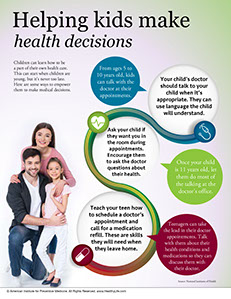
    Children can learn how to be a part of their own health care. This can start when children are young, but it’s never too late. Here are some ways to empower them to make medical decisions.

    From ages 5 to 10 years old, kids can talk with the doctor at their appointments.

    Your child’s doctor should talk to your child when it’s appropriate. They can use language the child will understand.

    Once your child is 11 years old, let them do most of the talking at the doctor’s office.

    Ask your child if they want you in the room during appointments. Encourage them to ask the doctor questions about their health.

    Teenagers can take the lead in their doctor appointments. Talk with them about their health conditions and medications so they can discuss them with their doctor.

    Teach your teen how to schedule a doctor’s appointment and call for a medication refill. These are skills they will need when they leave home.

    © American Institute for Preventive Medicine

  • Weekly Family Meetings

    FAMILY LIFE

    Young family smiling and laughing togething.

    A weekly family meeting is a time to be together, check in, and address any issues that arise.

    *  Make the meeting fun: Plan a special dessert to enjoy. Create a relaxed mood with special lighting or comfy pillows.

    *  Have an agenda: While you don’t want the meeting to be too formal, you should have a schedule to keep you on task.

    *  Get everyone involved: Let people take turns leading discussions. Encourage input and prioritize creative problem-solving.

    *  Set a respectful tone: This is a good time to practice resolving conflict with respect and consideration.

    *  End on a good note: If a tough topic needed to be addressed, be sure to end with something positive. Talk about fun upcoming events or brainstorm vacation ideas.

    © American Institute for Preventive Medicine

  • Plan For Happiness During The Holidays

    Connect With Relatives

    Couple enjoying the outdoors.

    If holidays are sad due to a lost loved one, plan to be with other people.

    For many people, holiday times are too hectic and tiring to be enjoyable. For others, living alone or with memories of a lost loved one brings sadness.

    *  Schedule activities you enjoy, but take time to unwind.

    *  Keep from over planning, hosting, and attending too many events.

    *  Lower expectations of having a perfect holiday. Focus on family traditions that are enjoyable, but realistic.

    *  Talk to someone you trust if you are having sad feelings.

    Minding Your Mental Health Book. Published by the American Institute for Preventive Medicine. www.HealthyLife.com. All rights reserved.

    © American Institute for Preventive Medicine

  • Getting On With Your Life

    Home Safety

    Returning to normal routines after a crisis is easier said than done for many people. This section will make it easier to adjust to the changes in your life after a major crisis or trauma. You probably will never forget the traumatic event. You will be healthier, though, if you move on. The past can’t be changed, but the future can. Focus on creating a “new normal.” Use this time to determine your priorities and goals in life. Make a list of your goals. Write down, too, the steps you need to take to reach each goal.

    Balance Body, Mind, and Spirit

    *  Give yourself time to heal. Know that this will not be an easy time. Let yourself feel whatever you are feeling. Be patient with changes in your feelings.

    *  Stay involved with other people and activities. Be informed.

    *  Help others.

    *  Connect with people. Visit or call people who will support you. Rely on family, friends, co-workers, neighbors, and support groups.

    *  Think positively about challenges ahead.

    *  Get extra rest.

    *  Eat healthy foods.

    *  Exercise.

    *  Take extra care of yourself, even if you don’t feel like it.

    *  Plan your time. Stay busy. Work. Read. Play sports. Do hobbies.

    *  Express your thoughts and feelings about the event. Find good listeners. Talking about it lessens the power trauma has over you, clears your head, and calms you. It also helps you to heal and feel more in control. It helps to write down your thoughts and feelings, too.

    *  Find time to relax. Do things you enjoy. Breathe deeply. Meditate. Do yoga.

    *  Don’t use alcohol or drugs to feel better. You must deal with your emotions so you can heal. Numbing the feelings won’t help.

    *  Find healthy things to do that make you feel good about yourself or feel more in control.

    *  Limit TV watching of disasters.

    *  Don’t make big life decisions in haste.

    Spirituality Can Help You Cope

    During times of crisis, many people find a deep inner peace and strength through their faith. Faith can give deeper meaning to life and helps you focus on what really matters. Some people may question their faith as they search for meaning in a tragedy. Questions and doubts during hard times are normal. The benefits of spirituality come in many ways.

    *  Praying and meditating. Prayer vigils.

    *  Counting your blessings

    *  Forgiving and healing

    *  Practicing and receiving unconditional love

    *  Connecting to a higher power

    *  Reaching out to help others

    *  Attending a place of worship can provide a sense of community and shared purpose as well as support, reassurance, and understanding.

    Pastoral counselors can help with mental health and spiritual concerns. They are certified mental health professionals. They also have had in-depth training in religion and/or theology. You can choose one of your faith (e.g., Catholic, Jewish, Muslim, Protestant, etc.). Call 800.225.5603 or visitwww.aapc.org.

    Effects of the Media

    Having easy access to a world of information can be empowering and help allay fears by keeping us informed and connected to the world at large. On the other hand, newspaper and television, in particular, can overwhelm viewers and have a negative effect on many people. This includes increasing fear.

    Television’s immediate and powerful images can burn into your memory, especially if a traumatic event is watched over and over. How much is too much? The answer depends on the person. Here are some general tips:

    *  Control TV watching. Immediately after a crisis, it is natural to want to keep the TV or radio on for much of the day to stay informed. After a couple of days or if you feel anxious, turn it off. Do not expose children under the age of six to televised videotapes of attacks and disasters. Limit TV viewing for older children and watch it with them.

    *  Use the newspaper, radio, or internet to keep informed.

    *  Check in a few times a day in case something new has happened. Don’t leave the TV on all day. While TV can give a feeling of being connected, it is also emotionally draining. There is a time to just turn it off.

    *  Use the media in moderation. Spend time on other activities you enjoy.

    *  Watch cartoons, other funny shows and videos with your children.

    *  If waking up to the news from a clock radio every morning is draining, find a nice music station instead.

    *  Don’t read, watch, or listen to the news for at least an hour before bed.

    Helping Children Cope

    In the wake of crisis or disaster, helping children cope is a priority in the minds of parents and teachers. According to the American Counseling Association, after any disaster, children are most afraid of the following:

    *  That the event will recur

    *  That they or someone they love will be hurt or killed

    *  That they may be separated from those they love and will be left alone

    Things you say and do can help your children cope with a crisis.

    Talking with Children

    *  Comfort children. Let them know that you will keep them safe, that you are safe, and you will take care of them. Tell them how rare disasters are and about all the people who work to keep us safe. Tell them that good acts in the world outnumber the bad.

    *  Answer children’s questions honestly. Keep in mind their age and maturity when you respond. Give basic answers. Don’t give too much detail. Children will ask for more information if they want it.

    *  Find out what the child is concerned about. What have they seen? Heard? Experienced? Listen without judging.

    *  Allow children to express their feelings, but do not push them if they aren’t ready. If they can’t talk about their feelings, let them express feelings through drawing, play, etc.

    *  Encourage children to feel in control. Let them make choices about meals, clothing, etc.

    *  As children retell events, ask questions or play out the event. Many children need to hear the same thing over and over before they understand. Help young children to learn words that express their feelings. n Let children know it is normal to feel upset after something bad happens and that the traumatic event was not their fault.

    *  Remind children of times they have been brave before in a new or difficult situation.

    *  Do not criticize regressive behavior or shame the child with statements like, “You’re acting babyish.”

    *  Let children cry and be sad. Don’t expect them to be brave and tough.

    *  Don’t keep secrets. Children will imagine something much worse is going on or think they are to blame. Don’t be afraid to say, “I don’t know.”

    *  Tell them about the heroes involved in a tragedy, (e.g., firefighters, police, doctors, nurses, and ordinary people).

    *  Some children may express hate toward a large group of people. You may feel hate, as well. Let children know that you understand their anger toward specific people who may have caused harm. Help them to separate those feelings from prejudice toward a larger group. Remind them how prejudice causes many problems and that the world can be a better place by being good to others.

    Actions to Take to Help Children

    Above all, stay calm. Children look to us for how to respond.

    *  Try to return to normal routines (school, after- school activities, and play, etc.) as soon as possible.

    *  Make sure the child gets enough rest and eats healthy foods.

    *  Review family safety plans. This will help children feel prepared in the event an emergency situation occurs.

    *  Understand there may be a short, temporary decline in school performance. Talk to teachers, coaches, etc. to see how your children are doing in other settings. Let these same persons know how your child is doing at home.

    *  Spend extra time together as a family. Spend one-on- one time with each child. Give your children hugs and kisses.

    *  Be a role model for tolerance, understanding, and peace.

    *  Do things that show how one person can make a difference. Donate time. Send cards. n Don’t let children under age six watch or hear the news. Watch the news with older children and talk to them about it afterward.

    *  Do relaxing activities together. Read books. Listen to music. Draw or do other artwork. Take a walk, etc.

    *  Limit how much young children hear adults talking about the event.

    *  Avoid unnecessary separations from parents or other important caregivers.

    *  Allow time to cope. Be patient with angry outbursts. Give children a healthy outlet for anger, such as a pillow to punch.

    *  Tell and show children how much you love them. This is true at all times, but even more so after a crisis.

    *  If, after six weeks following a crisis, your child is not able to function normally at home, at school, or in play, seek help for your child from a mental health professional.

    What Really Matters

    After a crisis, many people decide what is truly important to them. You, too, may find yourself experiencing the following common reactions:

    *  You draw closer to loved ones. You tell them how we feel about them. You spend more time with family and friends.

    *  You become more spiritual. You look for deeper meaning in your life.

    *  You make decisions or do things you may have been putting off.

    *  You work less and play more.

    *  You slow down the pace of a hectic lifestyle.

    *  You become more informed about the world.

    *  You reach out to help others and strive to make the world a better place.

    *  Realizing how fragile life is, you learn to enjoy each moment more and fret less.

    *  You learn survival skills.

    *  Communities, nations, and the world unite.

    Take Charge, Coping with a Crisis book by the American Institute for Preventive Medicine. www.HealthyLife.com. All rights reserved.

    © American Institute for Preventive Medicine

  • Prevent Fires & Burns

    Home Safety

    Do This, Not That

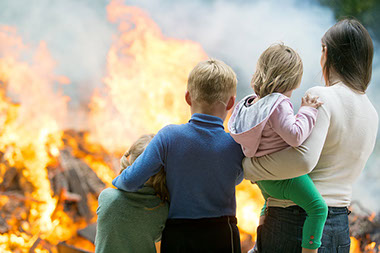
    Simple actions can make you and your family safer and keep your things from going up in smoke.

    Most home fire deaths occur at night. If you think that you’ll be awoken by smoke, noise, or breaking glass, then you’re almost certainly wrong. Every fire produces large amounts of carbon monoxide which is a very toxic and odorless gas. You will most likely be overcome by this as you sleep and never wake up.

    Smoke alarms can make the difference between dying in your sleep and getting your family to safety. About two-thirds of home fire deaths occur in homes that have no smoke alarms or have ones that are not working.

    General Guidelines

    Cooking Safety

    Electrical Safety

    Safe at Home - Do This, Not That Book. Published by the American Institute for Preventive Medicine.

    © American Institute for Preventive Medicine

  • Helping Teens Stay Drug-Free

    FAMILY LIFE

    Father and teen son smiling.

    Most parents don’t want to think about their teen using drugs. They assume their teen is doing OK. They may also think it would be obvious if their teen was into drugs or alcohol.

    Unfortunately, even teens with great parents sometimes take risks and make dangerous choices.

    Why do teens take risks?

    A teen’s brain is very sensitive to emotions and doing things that feel good. Plus, their brains aren’t fully developed yet.

    This means they are not ready to make rational decisions all the time. They may also struggle with mental health issues like depression or anxiety. It can be all too easy to slip into using drugs or alcohol.

    What can parents do?

    A good relationship with your teen is important. This can help them feel they can talk to you about challenges they are facing. This also means they might come to you if they have a problem with drugs or alcohol. Here are some tips to help you stay connected:

    *Be a great listener.Talk with your teen about their daily life. Give them a chance to express their opinion. Don’t interrupt. If they tell you something upsetting, try to remain calm. Ask them how you can help.

    *Help them find activities.Teens do well if they have an outlet for fun and stress relief. This may be music, sports, religious activities or volunteering.

    *Know your teen’s friends.Encourage your teen and their friends to hang out at your house.

    *Don’t solve their problems for them.Parents want to help their teen when they need it. But it’s often more effective to teach them skills to help them solve their own problems. If they have a fight with a friend, talk with them about ways they could work it out themselves. Offer your support but try not to step in.

    *Talk about tough stuff.Help your teen figure out what to do if they are being pressured into something. Show them that they can turn to you. Do they feel comfortable calling you if they need a ride home from a party? Can they talk to you about peer pressure and drinking?

    Source: National Institutes of Health

    © American Institute for Preventive Medicine

  • Explore Your Family History

    FAMILY LIFE

    Old black and white photos on table next to camera, laptop, old photo album.

    Learning about your ancestors & where they came from can be very rewarding. If you want to uncover your family history, there are easy ways to get started tracing your roots.

    Start recording

    Begin by starting a written record, or using an online tool to fill in the parts of your family tree you know about. A few online tools include:

    *  Family Tree Builder (free)

    *  RootsMagic (costs)

    *  Ancestry (costs)

    *  MyHeritage (costs)

    Involve relatives

    Once you’ve maxed out your own knowledge, ask family to fill in the gaps. It’s also worthwhile to find out if any family members have attempted to trace the family genealogy before. Keep track of this information:

    *  First and last names

    *  Date and place of birth

    *  Location of family homes

    *  Occupation, education, military service, etc.

    Go online

    Dig into the various websites that collect and store geological information. Using what you know already about your family tree, you can learn a wealth of information by tapping into these resources:

    *familysearch.org– This has one of the most comprehensive catalogs and is a good first step.

    *ancestry.com

    *archives.com

    © American Institute for Preventive Medicine
  • Handle Food With Care

    Home Safety

    Healthy eating starts with preparation.

    Your body will know if you’ve eaten harmful bacteria, because it can make you mildly to very sick. Bacteria spread easily onto hands, cutting boards, utensils, and countertops – all things that come into contact with food. To avoid problems, cook foods to  proper temperatures and follow some simple steps.

    Clean: Wash your hands and surfaces often.

    *  Wash your hands with warm water and soap for at least 20 seconds before and after handling food or touching other surfaces.

    *  Wash cutting boards, dishes, utensils, and countertops with hot soapy water after preparing each food item.

    *  Rinse fruits and vegetables with running tap water.

    Separate: Don’t cross-contaminate.

    *  Keep raw meat, poultry, seafood and eggs separate from other foods.

    *  Use one cutting board for fruits and vegetables and another for meat, poultry, seafood, or eggs.

    *  Never place cooked food on a plate that held raw food.

    Chill: Refrigerate perishable foods.

    *  Refrigerate or freeze meat, poultry, eggs, and other perishables as soon as you get home from shopping for foods.

    *  Don’t let raw meat, poultry, eggs, cooked food, or cut fruits or vegetables sit at room temperature more than two hours.

    *  Defrost foods in the refrigerator or cold water. Use the microwave on the defrost setting if you are cooking the food right away.

    Cook foods to proper temperatures.

    Eggs: 160ºF (Scrambled eggs should not be runny; whites and yolks should be firm.)

    Casseroles and leftovers: 165ºF

    Ground meat and meat mixtures: 160ºF

    Fresh or ground poultry: 165ºF

    Fresh beef, pork, veal, and lamb: 145ºF (with a 3-minute rest time)

    Fish: 145ºF

    Action Step

    During your next trip to the grocery store, start with foods that don’t spoil − items in boxes and bags. Then choose meats, poultry, eggs, milk, and frozen foods last to keep them from being at unsafe temperatures for too long.

    Ways to Well-Being book by the American Institute for Preventive Medicine. www.HealthyLife.com. All rights reserved.

    © American Institute for Preventive Medicine

  • Reduce Indoor Air Pollution For A Healthier Home

    Home Safety

    Women tending to her plants.

    *  Do not smoke. Do not allow smoking in your house.

    *  Open windows as much as you can to let fresh outdoor air in.

    *  Live clean and green. Use baking soda, vinegar, plain soap, etc. and/or 100 percent biodegradable products that do not have chlorine, phosphates, and dyes. Paint with zero-or low volatile organic (VOC) compound paints. Use products with the EPA’s “Design for the Environment (DfE)” on the label. Find out more fromepa.gov/dfe.

    *  Have green houseplants, such as Boston ferns and spider plants. These absorb indoor air pollutants.

    *  Choose energy-efficient products, such as ones with an ENERGY STAR. Find out about these fromenergystar.gov.

    *  To help eliminate gases, odors, chemicals and particles, put an air filter or electronic air cleaner on your furnace. Or use a portable air purifier and/or a vacuum that has a HEPA filter.

    *  To limit mold growth, keep your house clean, dry, and well ventilated.

    A Year of Health Hints book by the American Institute for Preventive Medicine. www.HealthyLife.com. All rights reserved.

    © American Institute for Preventive Medicine