Returning to normal routines after a crisis is easier said than done for many people. This section will make it easier to adjust to the changes in your life after a major crisis or trauma. You probably will never forget the traumatic event. You will be healthier, though, if you move on. The past can’t be changed, but the future can. Focus on creating a “new normal.” Use this time to determine your priorities and goals in life. Make a list of your goals. Write down, too, the steps you need to take to reach each goal.
Balance Body, Mind, and Spirit
* Give yourself time to heal. Know that this will not be an easy time. Let yourself feel whatever you are feeling. Be patient with changes in your feelings.
* Stay involved with other people and activities. Be informed.
* Help others.
* Connect with people. Visit or call people who will support you. Rely on family, friends, co-workers, neighbors, and support groups.
* Think positively about challenges ahead.
* Get extra rest.
* Eat healthy foods.
* Exercise.
* Take extra care of yourself, even if you don’t feel like it.
* Plan your time. Stay busy. Work. Read. Play sports. Do hobbies.
* Express your thoughts and feelings about the event. Find good listeners. Talking about it lessens the power trauma has over you, clears your head, and calms you. It also helps you to heal and feel more in control. It helps to write down your thoughts and feelings, too.
* Find time to relax. Do things you enjoy. Breathe deeply. Meditate. Do yoga.
* Don’t use alcohol or drugs to feel better. You must deal with your emotions so you can heal. Numbing the feelings won’t help.
* Find healthy things to do that make you feel good about yourself or feel more in control.
* Limit TV watching of disasters.
* Don’t make big life decisions in haste.
Spirituality Can Help You Cope
During times of crisis, many people find a deep inner peace and strength through their faith. Faith can give deeper meaning to life and helps you focus on what really matters. Some people may question their faith as they search for meaning in a tragedy. Questions and doubts during hard times are normal. The benefits of spirituality come in many ways.
* Praying and meditating. Prayer vigils.
* Counting your blessings
* Forgiving and healing
* Practicing and receiving unconditional love
* Connecting to a higher power
* Reaching out to help others
* Attending a place of worship can provide a sense of community and shared purpose as well as support, reassurance, and understanding.
Pastoral counselors can help with mental health and spiritual concerns. They are certified mental health professionals. They also have had in-depth training in religion and/or theology. You can choose one of your faith (e.g., Catholic, Jewish, Muslim, Protestant, etc.). Call 800.225.5603 or visitwww.aapc.org.
Effects of the Media
Having easy access to a world of information can be empowering and help allay fears by keeping us informed and connected to the world at large. On the other hand, newspaper and television, in particular, can overwhelm viewers and have a negative effect on many people. This includes increasing fear.
Television’s immediate and powerful images can burn into your memory, especially if a traumatic event is watched over and over. How much is too much? The answer depends on the person. Here are some general tips:
* Control TV watching. Immediately after a crisis, it is natural to want to keep the TV or radio on for much of the day to stay informed. After a couple of days or if you feel anxious, turn it off. Do not expose children under the age of six to televised videotapes of attacks and disasters. Limit TV viewing for older children and watch it with them.
* Use the newspaper, radio, or internet to keep informed.
* Check in a few times a day in case something new has happened. Don’t leave the TV on all day. While TV can give a feeling of being connected, it is also emotionally draining. There is a time to just turn it off.
* Use the media in moderation. Spend time on other activities you enjoy.
* Watch cartoons, other funny shows and videos with your children.
* If waking up to the news from a clock radio every morning is draining, find a nice music station instead.
* Don’t read, watch, or listen to the news for at least an hour before bed.
Helping Children Cope
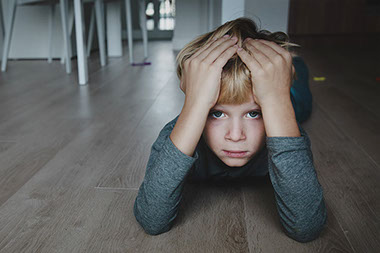
In the wake of crisis or disaster, helping children cope is a priority in the minds of parents and teachers. According to the American Counseling Association, after any disaster, children are most afraid of the following:
* That the event will recur
* That they or someone they love will be hurt or killed
* That they may be separated from those they love and will be left alone
Things you say and do can help your children cope with a crisis.
Talking with Children
* Comfort children. Let them know that you will keep them safe, that you are safe, and you will take care of them. Tell them how rare disasters are and about all the people who work to keep us safe. Tell them that good acts in the world outnumber the bad.
* Answer children’s questions honestly. Keep in mind their age and maturity when you respond. Give basic answers. Don’t give too much detail. Children will ask for more information if they want it.
* Find out what the child is concerned about. What have they seen? Heard? Experienced? Listen without judging.
* Allow children to express their feelings, but do not push them if they aren’t ready. If they can’t talk about their feelings, let them express feelings through drawing, play, etc.
* Encourage children to feel in control. Let them make choices about meals, clothing, etc.
* As children retell events, ask questions or play out the event. Many children need to hear the same thing over and over before they understand. Help young children to learn words that express their feelings. n Let children know it is normal to feel upset after something bad happens and that the traumatic event was not their fault.
* Remind children of times they have been brave before in a new or difficult situation.
* Do not criticize regressive behavior or shame the child with statements like, “You’re acting babyish.”
* Let children cry and be sad. Don’t expect them to be brave and tough.
* Don’t keep secrets. Children will imagine something much worse is going on or think they are to blame. Don’t be afraid to say, “I don’t know.”
* Tell them about the heroes involved in a tragedy, (e.g., firefighters, police, doctors, nurses, and ordinary people).
* Some children may express hate toward a large group of people. You may feel hate, as well. Let children know that you understand their anger toward specific people who may have caused harm. Help them to separate those feelings from prejudice toward a larger group. Remind them how prejudice causes many problems and that the world can be a better place by being good to others.
Actions to Take to Help Children
Above all, stay calm. Children look to us for how to respond.
* Try to return to normal routines (school, after- school activities, and play, etc.) as soon as possible.
* Make sure the child gets enough rest and eats healthy foods.
* Review family safety plans. This will help children feel prepared in the event an emergency situation occurs.
* Understand there may be a short, temporary decline in school performance. Talk to teachers, coaches, etc. to see how your children are doing in other settings. Let these same persons know how your child is doing at home.
* Spend extra time together as a family. Spend one-on- one time with each child. Give your children hugs and kisses.
* Be a role model for tolerance, understanding, and peace.
* Do things that show how one person can make a difference. Donate time. Send cards. n Don’t let children under age six watch or hear the news. Watch the news with older children and talk to them about it afterward.
* Do relaxing activities together. Read books. Listen to music. Draw or do other artwork. Take a walk, etc.
* Limit how much young children hear adults talking about the event.
* Avoid unnecessary separations from parents or other important caregivers.
* Allow time to cope. Be patient with angry outbursts. Give children a healthy outlet for anger, such as a pillow to punch.
* Tell and show children how much you love them. This is true at all times, but even more so after a crisis.
* If, after six weeks following a crisis, your child is not able to function normally at home, at school, or in play, seek help for your child from a mental health professional.
What Really Matters
After a crisis, many people decide what is truly important to them. You, too, may find yourself experiencing the following common reactions:
* You draw closer to loved ones. You tell them how we feel about them. You spend more time with family and friends.
* You become more spiritual. You look for deeper meaning in your life.
* You make decisions or do things you may have been putting off.
* You work less and play more.
* You slow down the pace of a hectic lifestyle.
* You become more informed about the world.
* You reach out to help others and strive to make the world a better place.
* Realizing how fragile life is, you learn to enjoy each moment more and fret less.
* You learn survival skills.
* Communities, nations, and the world unite.