Category: Uncategorized

  • If You’re Sick, Rest

    Fitness

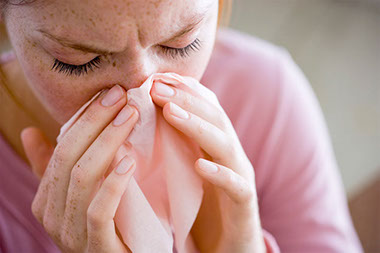
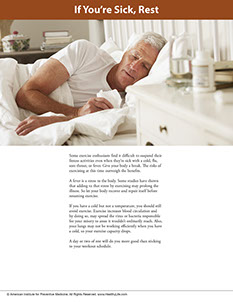
    Image of person blowing nose with a tissue.

    Some exercise enthusiasts find it difficult to suspend their fitness activities even when they’re sick with a cold, flu, sore throat, or fever. Give your body a break. The risks of exercising at this time outweigh the benefits.

    A fever is a stress to the body. Some studies have shown that adding to that stress by exercising may prolong the illness. So let your body recover and repair itself before resuming exercise.

    If you have a cold but not a temperature, you should still avoid exercise. Exercise increases blood circulation and by doing so, may spread the virus or bacteria responsible for your misery to areas it wouldn’t ordinarily reach. Also, your lungs may not be working efficiently when you have a cold, so your exercise capacity drops.

    A day or two of rest will do you more good than sticking to your workout schedule.

    Page image from A Year of Health Hints book by the American Institute for Preventive Medicine. www.HealthyLife.com. All rights reserved.

    © American Institute for Preventive Medicine

  • Walk For Well-Being

    Fitness

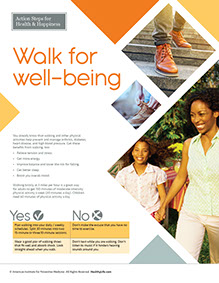
    Mother and daughter walking.

    You already know that walking and other physical activities help prevent and manage arthritis, diabetes, heart disease, and high blood pressure. Get these benefits from walking, too:

    *  Relieve tension and stress.

    *  Get more energy.

    *  Improve balance and lower the risk for falling.

    *  Get better sleep.

    *  Boost you overall mood.

    Walking briskly at 3 miles per hour is a great way for adults to get 150 minutes of moderate-intensity physical activity a week (30 minutes a day). Children need 60 minutes of physical activity a day.

    *  Plan walking into your daily / weekly schedules. Split 30 minutes into two 15-minute or three 10-minute sessions.

    *  Wear a good pair of walking shoes that fit well and absorb shock. Look straight ahead when you walk.

    *  Don’t make the excuse that you have no time to exercise.

    *  Don’t text while you are walking. Don’t listen to music if it hinders hearing sounds around you.

    Page from HealthyLife Weigh book by the American Institute for Preventive Medicine. www.HealthyLife.com. All rights reserved.

    © American Institute for Preventive Medicine

  • Can Food Prevent Cancer?

    HEALTHY EATING

    A variety of baskets filled with fruits and vegetables.

    Studies have shown that eating healthy foods, especially plants, can help prevent certain health problems. It can help you avoid type 2 diabetes, heart disease and stroke. Some research also shows that a healthy diet can help prevent cancer.

    There is no single food or diet that will always prevent cancer. Many times, cancer is caused by things we cannot control. But there is promising research that says a healthy diet can lower your risk of some cancers. Here is what researchers have found.

    Fruits and vegetables

    We already know fruits and vegetables are good for you. They are full of vitamins, fiber and other nutrients. Eating lots of fruits and vegetables may lower the chances of getting lung, colorectal, oral, esophagus, stomach and colon cancer. The Mediterranean Diet, which includes lots of fruits and vegetables, is one diet plan that seems to have anti-cancer ability.

    In addition to fruits and vegetables, people should get enough calcium and vitamin D. These nutrients may play a role in lowering the risk of getting colorectal cancer.

    Phytochemicals – a health booster

    Phytochemicals are special chemicals found in plants. Some studies suggest that they can lower your cancer risk. Phytochemicals may:

    *  Boost your immune system

    *  Help block cancer-causing substances called carcinogens

    *  Lower inflammation that can lead to cancer

    *  Help your DNA repair itself

    *  Slow down the growth of cancer cells

    *  Get rid of damaged cells in the body

    Phytochemicals are found in fruits, vegetables, legumes and whole grains. Foods that have bright colors or strong flavors tend to have the most phytochemicals.

    What not to eat

    Some foods may increase the risk of some cancers. Avoid or limit:

    *  Heavily processed meats like ham, bacon, sausage and salami

    *  Alcohol, which may increase the risk of mouth, throat, esophagus, breast, colorectal and liver cancer

    *  Foods that cause indigestion and heartburn. Long-term heartburn can increase the risk of esophagael cancers

    Most experts agree that nutritional supplements have not been shown to fight cancer. Stick to eating healthy foods for more cancer-fighting power.

    Your doctor is your partner in helping to prevent cancer and other health problems. Be sure to discuss your cancer risk and the best diet for you.

    Sources: American Academy of Family Physicians, American Institute for Cancer Research, National Institute of Diabetes and Digestive and Kidney Diseases
    © American Institute for Preventive Medicine

  • Eat Soup To Satisfy

    HEALTHY EATING

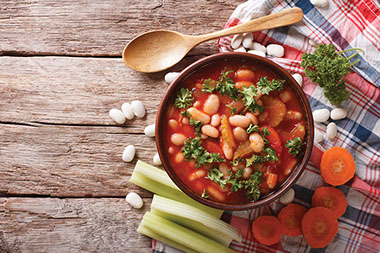
    A bowl of soup.

    Healthy foods like vegetables and fruits have lots of nutrients and fewer calories. Eating a diet with plenty of vegetables and fruit can help you lose weight.

    Soup is a comforting way to enjoy vegetables (and sometimes fruit) of the season. It’s warm, easy to eat and may help you fill up. In fact, some evidence suggests that eating soup before a meal can help you eat less.

    You’ll need to make sure your soup is lower in calories if you want to lose weight. It helps to use lots of vegetables and some fruits, and avoid high-calorie ingredients like cream and sugar.

    © American Institute for Preventive Medicine

  • The Health Benefits Ofolive Oil

    HEALTHY EATING

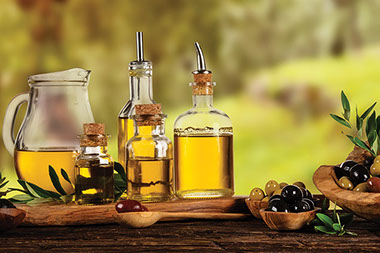
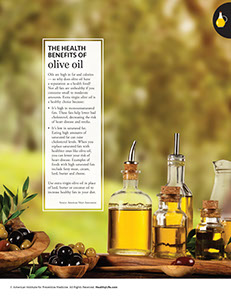
    Olive oil bottles on table.

    Oils are high in fat and calories – so why does olive oil have a reputation as a health food? Not all fats are unhealthy if you consume small to moderate amounts. Extra virgin olive oil is a healthy choice because:

    *  It’s high in monounsaturated fats. These fats help lower bad cholesterol, decreasing the risk of heart disease and stroke.

    *  It’s low in saturated fat. Eating high amounts of saturated fat can raise cholesterol levels. When you replace saturated fats with healthier ones like olive oil, you can lower your risk of heart disease. Examples of foods with high saturated fats include fatty meat, cream, lard, butter and cheese.

    Use extra virgin olive oil in place of lard, butter or coconut oil to increase healthy fats in your diet.

    Source: American Heart Association

    © American Institute for Preventive Medicine

  • Omega-3 Has Mega Benefits

    HEALTHY EATING

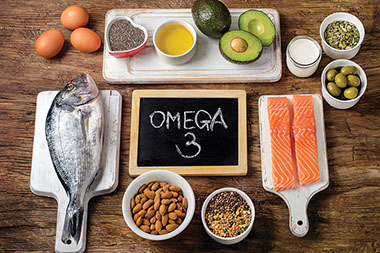
    A variety of food that contains Omega-3.

    Fatty fish like salmon have high amounts of omega-3 fats. And these fats are so healthy that they can lower the risk of stroke.

    The American Heart Association says these fats can also lower the risk of heart rhythm problems. They can also lower triglyceride levels.

    Omega-3s can help prevent the clogging of arteries. Eating two servings of salmon each week can help you get enough omega-3s in your diet.

    © American Institute for Preventive Medicine

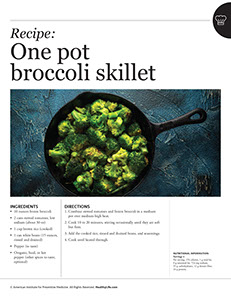
  • One Pot Broccoli Skillet

    HEALTHY EATING

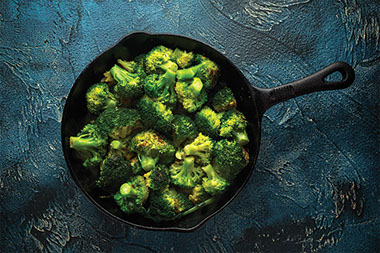
    Large skillet filled with broccoli.

    Ingredients

    *  10 ounces frozen broccoli

    *  2 cans stewed tomatoes, low sodium (about 30 oz)

    *  1 cup brown rice (cooked)

    *  1 can white beans (15 ounces, rinsed and drained)

    *  Pepper (to taste)

    *  Oregano, basil, or hot pepper (other spices to taste, optional)

    Directions

    1.  Combine stewed tomatoes and frozen broccoli in a medium pot over medium-high heat.

    2.  Cook 10 to 20 minutes, stirring occasionally until they are soft but firm.

    3.  Add the cooked rice, rinsed and drained beans, and seasonings.

    4.  Cook until heated through.

    Nutritional Information: Servings 4

    Per serving. 276 calories, 1 g total fat, 0 g saturated fat, 724 mg sodium, 55 g carbohydrates, 12 g dietary fiber, 16 g protein.

    © American Institute for Preventive Medicine

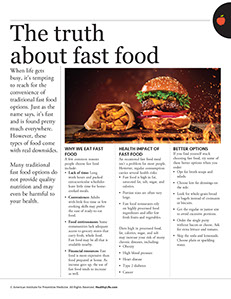
  • The Truth About Fast Food

    HEALTHY EATING

    Burger with french fries and fire.

    When life gets busy, it’s tempting to reach for the convenience of traditional fast food options. Just as the name says, it’s fast and is found pretty much everywhere. However, these types of food come with real downsides.

    Many traditional fast food options do not provide quality nutrition and may even be harmful to your health.

    Why we eat fast food

    A few common reasons people choose fast food include:

    *Lack of time:Long work hours and packed extracurricular schedules leave little time for home-cooked meals.

    *Convenience:Adults with little free time or few cooking skills may prefer the ease of ready-to-eat food.

    *Food environment:Some communities lack adequate access to grocery stores that carry fresh, whole food. Fast food may be all that is available nearby.

    *Financial resources:Fast food is more expensive than food prepared at home. As income goes up, the use of fast food tends to increase as well.

    Health impact of fast food

    An occasional fast food meal isn’t a problem for most people. However, regular consumption carries several health risks:

    *  Fast food is high in fat, saturated fat, salt, sugar, and calories.

    *  Portion sizes are often very large.

    *  Fast food restaurants rely on highly processed food ingredients and offer few fresh fruits and vegetables.

    Diets high in processed food, fat, calories, sugar, and salt may increase your risk of many chronic diseases, including:

    *  Obesity

    *  High blood pressure

    *  Heart disease

    *  Type 2 diabetes

    *  Cancer

    Better options

    If you find yourself stuck choosing fast food, try some of these better options when you order:

    *  Opt for broth soups and salads.

    *  Choose low-fat dressings on the side.

    *  Look for whole-grain bread or bagels instead of croissants or biscuits.

    *  Get the regular or junior size to avoid excessive portions.

    *  Order the single patty without bacon or cheese. Ask for extra lettuce and tomato.

    *  Skip the soda and lemonade. Choose plain or sparkling water.

    © American Institute for Preventive Medicine

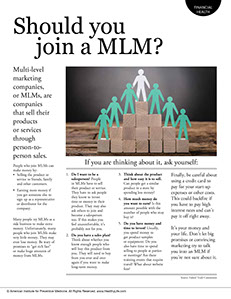
  • Should You Join A Mlm?

    FINANCIAL HEALTH

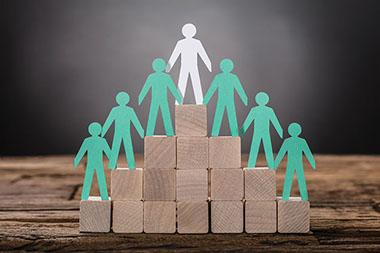
    Tier made of blocks with paper cut out of people.

    Multi-level marketing companies, or MLMs, are companies that sell their products or services through person-to-person sales.

    People who join MLMs can make money by:

    *  Selling the product or service to friends, family and other customers.

    *  Earning more money if you get someone else to sign up as a representative or distributor for the company.

    Many people try MLMs as a side business to make extra money. Unfortunately, many people who join MLMs make very little money. They may even lose money. Be wary of promises to “get rich fast” or make huge amounts of money from MLMs.

    If you are thinking about it, ask yourself:

    1.  Do I want to be a salesperson? People in MLMs have to sell their product or service. They have to ask people they know to invest time or money in their product. They may also ask others to join and become a salesperson too. If this makes you feel uncomfortable, it’s probably not for you.

    2.  Do you have a sales plan? Think about whether you know enough people who will buy this product from you. They will need to buy from you over and over again if you want to make long-term money.

    3.  Think about the product and how easy it is to sell. Can people get a similar product in a store by spending less money?

    4.  How much money do you want to earn? Is this amount possible with the number of people who may buy it?

    5.  Do you have money and time to invest? Usually, you spend money to get product samples or equipment. Do you also have time to spend selling to people at parties or meetings? Are there training events that require travel? What about website fees?

    Finally, be careful about using a credit card to pay for your start-up expenses or other costs. This could backfire if you have to pay high interest rates and can’t pay it off right away.

    It’s your money and your life. Don’t let big promises or convincing marketing try to talk you into an MLM if you’re not sure about it.

    Source: Federal Trade Commission

    © American Institute for Preventive Medicine

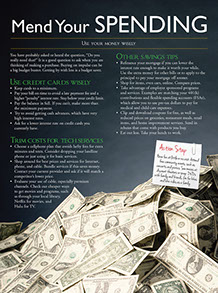
  • Mend Your Spending

    Financial Health

    Use your money wisely.

    You have probably asked or heard the question, “Do you really need that?” It is a good question to ask when you are thinking of making a purchase. Buying on impulse can be a big budget buster. Getting by with less is a budget saver.

    Use credit cards wisely:

    *  Keep cards to a minimum.

    *  Pay your bill on time to avoid a late payment fee and a higher “penalty” interest rate. Stay below your credit limit.

    *  Pay the balance in full. If you can’t, make more than the minimum payment.

    *  Try to avoid getting cash advances, which have very high interest rates.

    *  Ask for a lower interest rate on credit cards you currently have.

    Trim costs for tech services:

    *  Choose a cellphone plan that avoids hefty fees for extra minutes and texts. Consider dropping your landline phone or just using it for basic services.

    *  Shop around for best prices and services for Internet, phone, and cable. Bundle services if this saves money. Contact your current provider and ask if it will match a competitor’s lower price.

    *  Evaluate your use of cable, especially premium channels. Check out cheaper ways to get movies and programs, such as through your local library, Netflix for movies, and Hulu for TV.

    Other savings tips:

    *  Refinance your mortgage if you can lower the interest rate enough to make it worth your while. Use the extra money for other bills or to apply to the principal to pay your mortgage off sooner.

    *  Shop for items, even cars, online. Compare prices.

    *  Take advantage of employer sponsored programs and services. Examples are matching your 401(k) contributions and flexible spending accounts (FSAs), which allow you to use pre-tax dollars to pay for medical and child care expenses.

    *  Clip and download coupons for free, as well as reduced prices on groceries, restaurant meals, retail items, and home improvement services. Send in rebates that come with products you buy.

    *  Eat out less. Take your lunch to work.

    Action Step

    Have fun at little or no cost. Attend free community events, such as concerts and picnics. See movies at discount theaters or swap DVDs with family and friends. Go for hikes and bike rides as a family.

    Ways to Well-Being book by the American Institute for Preventive Medicine. www.HealthyLife.com. All rights reserved.

    © American Institute for Preventive Medicine