Category: Uncategorized

  • A Diet For Lifetime Health

    Mature Health: Over Age 50

    Image rich in B vitamins.

    Studies show that some older adults are deficient in vitamins B6, B12, and folate (a B vitamin). To guard against vitamin deficiencies, plan a diet that includes food sources of these nutrients.

    *  Lean meats, chicken, organ meats and fish, are high in B6.

    *  Milk, eggs, and lean meats are excellent sources of B12.

    *  Asparagus, brussels sprouts, and almost all green, leafy vegetables are high in folate. Other sources are cantaloupe, orange juice, and fortified grain products.

    *  Citrus fruits, tomatoes, cantaloupe, strawberries, green pepper, and broccoli are rich in vitamin C.

    It is also important to get adequate protein and calcium daily. Low-fat dairy products are rich sources of calcium. Two servings a day of 2 to 3 ounces of meat, chicken, or fish provide the protein you need. Other sources of protein include cooked dried beans, peanut butter, milk, and eggs.

    A Year of Health Hints book by the American Institute for Preventive Medicine. www.HealthyLife.com. All rights reserved.

    © American Institute for Preventive Medicine

  • 10 Dental Problems And What To Do About Them

    SELF-CARE CORNER

    Image of dentist.

    1.Bad breath:For fresh breath, brush twice a day, floss daily, drink plenty of water, see your dentist regularly, and don’t smoke. If bad breath persists, talk to your dentist or doctor.

    2.Tooth decay:When cavities are left untreated, they can get worse and lead to infections and loss of teeth. Get cavities filled quickly to prevent more extensive dental work and serious health problems.

    3.Gum disease:Without treatment, gum disease gets worse and can lead to tooth loss. Symptoms include bleeding, swollen, tender, and red gums, but it often has no signs in the early stages.

    4.Stained teeth:Some medications, foods, and drinks can yellow or discolor teeth. Many dentists offer whitening treatments that can help.

    5.Mouth sores:A salt water rinse can help with canker sores or irritation from braces or other dental appliances. But, if sores last a week or more, your dentist should take a look.

    6.Tooth sensitivity:Special toothpaste or dental procedures, such as crowns, can help relieve sensitivity to hot or cold. Look for the ADA (American Dental Association) seal of acceptance on products before buying.

    7.Enamel erosion:Acidic foods and drinks can wear away at the tooth’s protective enamel over time. This can lead to tooth sensitivity and discoloration. Drinking water and milk instead of soda can help avoid this problem.

    8.Wisdom teeth:Third molars, or wisdom teeth, often need to be removed during the teen or young adult years. If the jaw doesn’t have enough space for them, they can crowd or damage the other teeth.

    9.Oral cancer:Cancer of the mouth, lips or gums affects about 50,000 Americans every year. Symptoms may include sores, patches, lumps, or pain in the mouth. If you notice any of these signs, contact your dentist or doctor.

    10.Teeth grinding:Teeth grinding can lead to cracks and damage to the teeth enamel. A special guard made by your dentist can help protect your teeth. Beware of mouth guards sold over the counter as they can fit improperly and become a choking hazard when you sleep.

    Even if you don’t have any tooth pain or other symptoms, it’s important to see your dentist every six months. Regular checkups with your dentist can prevent or treat these problems so you can keep a healthy, bright smile for life.

    Sources: American Dental Association, Oral Health Foundation

    © American Institute for Preventive Medicine

  • Antibiotic Misuse -You Could Be Doing It

    SELF-CARE CORNER

    Image a various pills.

    Antibiotics that are overused or misused can lead to “superbugs.” These are bacteria that can’t be killed by antibiotics. Some of these bacteria can be deadly if they get in your body. The Center for Disease Control and Prevention says this is one of the top health threats in our world today.

    What can you do to prevent antibiotic misuse?

    *  Antibiotics do not treat viruses. Do not ask your doctor for an antibiotic for a viral illness.

    *  Do not take antibiotics unless your doctor prescribes them – and don’t save old antibiotics.

    *  Take your antibiotics exactly as your doctor tells you.

    *  Finish your entire course of antibiotics – even if you feel better.

    *  Do not take someone else’s antibiotics.

    *  Don’t share your antibiotics with others.

    Antibiotics DO NOT cure viruses such as:

    *  Colds

    *  The flu

    *  Most sore throats

    *  Many sinus infections

    *  Many eat infections

    *  Ear infections

    Taking an antibiotic for a virus:

    *  DOES NOT PREVENT spreading the virus to others

    *  DOES NOT HELP you feel better

    Illnesses that should be treated with antibiotics include:

    *  Whooping cough (pertussis)

    *  Strep throat

    *  Urinary tract infections

    If we only use antibiotics when needed, we can help stop more superbugs from spreading.

    © American Institute for Preventive Medicine

  • Carbon Monoxide – A Serious, Silent Danger

    SELF-CARE CORNER

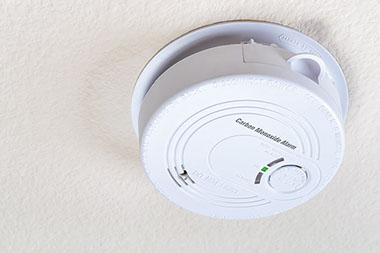
    Image of carbon monoxide detector.

    You may already know the importance of having a smoke detector in your home. But another hazard can be just as dangerous as a fire, and you can’t see it or smell it: carbon monoxide.

    Carbon monoxide, or CO, is a deadly gas that comes from combustion fumes. These fumes are given off by cars and trucks, gas stoves and furnaces, gas water heaters, fireplaces, and generators, to name a few. Hundreds of people die from carbon monoxide poisoning each year, according to the Centers for Disease Control and Prevention (CDC).

    Keep CO out of your home

    Fortunately, you can avoid carbon monoxide poisoning with a few precautions:

    *  Install a carbon monoxide detector in your home. This purchase is an investment in your family’s safety. Replace the detector every five years.

    *  Have your furnace and any other gas, oil or coal-burning appliances serviced by a professional every year.

    *  Never use a generator inside your home, basement or garage. Keep it more than 20 feet from windows, doors or vents.

    *  Make sure all gas appliances are vented to the outside.

    *  Have your chimney checked or cleaned every year.

    *  Don’t burn charcoal indoors.

    *  Never use a portable gas camp stove or flameless chemical heaters indoors.

    *  Don’t run cars or trucks in a garage that’s attached to your house. If your garage is not attached to the house, be sure the garage door is open any time a car or truck is running inside.

    Signs of CO poisoning

    Because you can’t see or smell carbon monoxide (CO), it’s important to be aware of possible warning signs. A working CO detector will alert you to dangerous levels of CO. But, if you notice these signs, get everyone outside right away and seek emergency medical care:

    *  Headache

    *  Dizziness

    *  Weakness

    *  Upset stomach and/or vomiting

    *  Chest pain

    *  Confusion

    People who are sleeping or who have had too much alcohol to drink may not notice the signs of CO poisoning. They may be killed by CO without ever feeling any signs. This is why it’s crucial to have a working CO detector in your home. Change the batteries in your detector at least twice a year.

    © American Institute for Preventive Medicine

  • Give Cold Sores The Cold Shoulder

    SELF-CARE CORNER

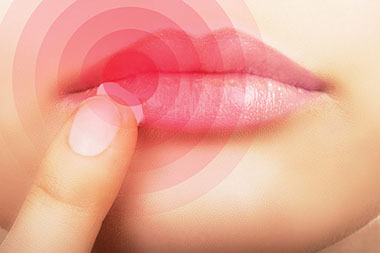
    Close up image of cold sore.

    Cold sores – those bothersome blisters that appear around the mouth – can be painful and embarrassing. Cold sores are spread by a virus, but not the cold virus.

    Cold sores happen when a person gets infected with the herpes simplex virus (HSV). This is why cold sores may also be called “oral herpes.” HSV is very contagious. It can be easily spread person to person by:

    *  Sharing drinks or utensils

    *  Kissing

    *  Touching a cold sore or infected person’s face, and then touching your face

    *  Touching an infected person’s face and then touching someone else (this is how many babies get HSV)

    *  Sharing personal items like razors or towels

    *  Intimate or sexual contact

    *  Touching the same object that was touched by a person with a cold sore.

    The type of HSV that causes cold sores is usually HSV  type 1. Another type of HSV,  known as HSV type 2, is most often spread through sexual contact. HSV type 2 is the virus that usually causes genital herpes. But, either type of  HSV can cause cold sores or genital herpes.

    What triggers cold sores?

    Once you get HSV, there is no cure. It stays in the body forever and it may cause repeated outbreaks of cold sores. Certain things may trigger a cold sore outbreak. Things that bring down the body’s defenses may allow the virus to become active and produce a cold sore again. Many people get cold sores due to:

    *  Stress

    *  Hormone changes such as menstruation or pregnancy

    *  Illnesses, like the flu or a cold

    *  Sun exposure

    *  Certain foods

    Don’t spread cold sores!

    Even if you stay healthy and avoid stress, there is no way to prevent all cold sore outbreaks. So, it’s best to try and avoid spreading cold sores and HSV to others.

    The best way to avoid spreading cold sores is to wash your hands frequently and avoid contact that could spread the sore. If you feel a cold sore coming on, don’t share drinks and other items listed in this article. Avoid touching your mouth and don’t touch people’s faces or kiss people, especially babies, children and people with weakened immune systems.

    Treating cold sores

    If you get cold sores frequently, ask your doctor about medicines that can help. Some antiviral medicines can reduce the number of outbreaks. They also help lower the chance of spreading HSV to others.

    Some over-the-counter medicines can also help speed up the healing time of a sore, but they won’t prevent outbreaks or stop the spread of HSV. Ask your doctor if one of these treatments might work for you.

    Sources: American Academy of Pediatrics, Centers for Disease Control and Prevention, National Institutes of Health

    © American Institute for Preventive Medicine

  • Make The Most Of Your Health Care Dollars

    SELF-CARE CORNER

    Image of doctor taking a patient's blood pressure reading.

    So you’ve got that high deductible health plan or flexible spending account. How can you save money-and spend your dollars wisely? Blue Cross Blue Shield of Delaware offers these suggestions:

    *Stay in-network.Make sure your doctors, laboratory, and hospital are a part of your health plan’s provider network so you save on copays and coinsurance amounts.

    *Use alternatives to emergency services.A visit to the hospital ER is generally unnecessary for issues such as the flu, minor cuts and sprains, or urinary tract infections. Overall costs are usually lower at walk-in clinics and urgent care centers. Check your health plan’s provider directory for nearby centers.

    *Take the tests.Receive the screenings, tests, vaccines, and other care that your plan covers, as recommended by your doctor. When you and your family stay healthy, you can avoid doctor visits and time off from work.

    *Take your medicine.To receive the full benefit of your medicine, remember to take the recommended dosage for as long as your doctor prescribes it. People who take their medicine as prescribed need less health care-and less expensive care. If you don’t understand how to take your medicine, ask your doctor or pharmacist.

    *Find the best price for the medication you need.Always ask if a generic prescription drug or an over-the-counter (OTC) drug would be best for you. For any brand-name drug, research the manufacturer before you fill the prescription. Then check its website for any discount coupons or free copay programs that may be available for that drug.

    © American Institute for Preventive Medicine

  • Ringing In The Ears

    SELF-CARE CORNER

    Image of man holding a magnifying glass next to his ear.

    Developing tinnitus or ringing in the ears can be annoying at best. At worse, the condition can cause anxiety, depression, insomnia, and other serious medical issues. Tinnitus is often described as buzzing, ringing, hissing, humming, roaring, or whistling that someone hears. Imagine hearing something that seems to come from inside your head. More than 50 million people in the United States have the condition, according to the American Tinnitus Association.

    If you struggle with tinnitus, you may find help with these tips from Neuromonics:

    *Be good to yourself.Tinnitus can affect many areas of life.

    *Educate yourself.Tinnitus has several causes and affects each person differently. The more a tinnitus sufferer understands, the greater the chances of making the tinnitus less bothersome.

    *Educate others.Family members, friends, coworkers, and associates can benefit from understanding tinnitus and its effects. They can be more supportive if they understand the conditions that are difficult for a tinnitus sufferer.

    *Seek out support.A few individuals who understand the daily trials of tinnitus can be invaluable. Consider a formal support group-in-person or online-to find out about coping strategies.

    *Contact the ATA’s Support Networkatwww.ata.org/support.

    *Obtain counseling.For some people, a licensed therapist or counselor can help with techniques to make tinnitus symptoms less bothersome and with effects of tinnitus such as anxiety and depression.

    © American Institute for Preventive Medicine

  • Tiny Blood Suckers

    SELF-CARE CORNER

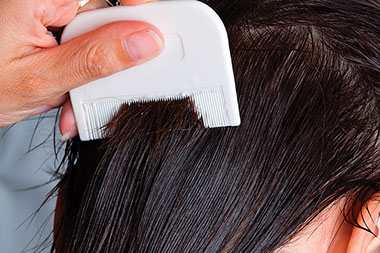
    Image of a person using a lice comb.

    Lice aren’t vampires, but they hold onto hair and bite into your scalp (or more likely into your children’s scalps) and feed on blood, according to Dr. Andrew Bonwit, a pediatric infectious disease expert at Loyola University. Usually, bites aren’t painful, he says, but they may itch.

    According to the CDC, an estimated 6 to 12 million lice cases occur each year among children 3 to 11 years old.

    “Parents and school staff may become understandably upset by outbreaks of head lice, but it is important to remember that if the problem occurs, it is treatable, although repeat applications of medicine are usually needed,” said Dr. Bonwit.

    Contrary to what you may think: Anyone can get head lice. It’s not a sign of uncleanliness. Pets don’t carry lice or spread them to you. And although you don’t want to use anyone else’s hairbrush, lice seem to be transmitted from head-to-head contact from one person to another. Lice don’t carry serious diseases, and kids with lice at school should see a doctor for treatment with shampoos.

    © American Institute for Preventive Medicine

  • Winter Itch

    SELF-CARE CORNER

    Image of a snowman.

    All winter flakes are not made of snow. Cold weather, with its low relative humidity, wreaks havoc on your skin, making it dry and flaky. Skin dries out if it’s deprived of moisture, and this dryness often aggravates itchiness, resulting in a condition commonly referred to as “winter itch.” During the winter the air is drier, and indoor heating further robs your skin of moisture. Fortunately, there are several ways that you can replenish the water content of your skin.

    Dr. Robyn Gmyrek, a dermatologist and director of the Skin and Laser Center at New York-Presbyterian Hospital/Columbia University Medical Center, suggests the following skin advice:

    *Moisturize daily.Petrolatum or cream-based moisturizers are far better than lotions for normal to dry skin. If you have sensitive skin, choose a moisturizer without fragrance or lanolin. After bathing, apply moisturizer directly to your wet skin to ensure that the moisturizer can help to trap surface moisture.

    *Limit the use of hot water and soap.If you have “winter itch,” take short lukewarm showers or baths with a non-irritating, non-detergent-based cleanser. Immediately afterward, apply a thick cream or a petroleum-jelly-type moisturizer. Gently pat skin dry.

    *Humidify.Dry air can pull the moisture from your skin. Room humidifiers can be very helpful. However, be sure to clean the unit and change the water according to the manufacturer’s instructions to reduce mold and fungi.

    *Protect yourself from the wind.Cover your face and use a petrolatum-based balm for your lips.

    *Protect your skin from the sun.Remember that winter sun can also be dangerous to the skin. Even in the winter months you should use a sunscreen with a sun-protection factor of 15 or greater if you will be outdoors for prolonged periods.

    *Avoid winter tanning.Tanning beds and artificial sunlamps are always damaging to your skin and increase your risk of skin cancer.

    *Take vitamin D supplements.During the summer months your natural vitamin D production increases due to daily sun exposure, but when winter rolls around that exposure decreases. Taking vitamin supplements can ensure that you are getting the recommended amounts of vitamin D all year.

    © American Institute for Preventive Medicine

  • Boomers Beware

    BE FIT

    Image of older women with exercise equipment.

    Boomers are now age 50 and older. And they are getting lots of injuries to backs, knees, hips, ligaments and tendons (the structures that attach muscles to bones).

    Regular exercise is critical for maintaining and improving bone and muscle strength. And yet if not done properly, exercise can result in pain and injury, sprains and strains. The American Academy of Orthopaedic Surgeons offers the following exercise safety advice for anyone older than 50:

    Warm up and stretch.Walking, bending, jumping jacks, and running in place before exercise gets and keeps the circulatory system moving and helps prevent injury. Stretching can be done before or after a workout.

    Exercise consistently.Don’t be a weekend warrior. Try to get at least 30 minutes of moderate physical activity every day.

    Take lessons.Consider taking lessons for the sport you love. Whether you’re new to a sport or have been taking part in it a long-time, proper form and instruction reduce the chance of an overuse injury like tendonitis or stress fractures.

    Wear the proper equipment.Select the proper gear and shoes for your sport.

    Listen to your body.As you age, you may find that you are not as flexible as you once were, or that you cannot tolerate the same types of activities. If so, modify your exercise routine to accommodate your body’s needs. For example, if you’ve been a daily runner for many years, consider replacing a day or two of that activity with swimming, biking, or another sport that puts less impact on your joints.

    Use the 10% rule.When changing your activity level, increase it in increments of no more than 10% per week. Slowly build up each week until you reach your higher goal. This will prevent overuse injuries that may keep you from exercising or enjoying your favorite sport for some time.

    Develop and maintain a balanced fitness program.Include cardiovascular exercise, strength training, and flexibility. A balanced exercise program will provide a total body workout. This keeps you from getting bored and lessens your chances for injury.

    Take a break.Hard workouts can take a toll on your body and thus require strategies aimed at recovery. Learn to take a day off or cut back your training to allow your body to adapt and recover. Gentle stretching, light aerobic exercises, and proper nutrition and hydration are all helpful to the recovery process.

    Consult your doctor.If you develop or have had a sports or orthopedic injury like tendonitis, arthritis, stress fracture, or low back pain, consult an orthopedic surgeon who can help design or modify your fitness routine to promote wellness and minimize the chance of injury.

    © American Institute for Preventive Medicine