Category: Uncategorized

  • The Grill Is For More Than Meat

    HEALTHY EATING

    Image of a grilled corn on the cob.

    If you love getting out the grill for summer meals, don’t stop at burgers and chicken. The grill is an excellent way to prepare some of summer’s most delicious fresh produce. The Produce for Better Health Foundation says you can use the grill to turn many familiar fruits and veggies into healthy and delicious treats. Try these suggestions:

    *  Fresh pineapple chunks can be grilled on skewers for a sweet twist for kabobs and salads.

    *  Cut peaches in half and remove pit. Grill on low, cut side down, for a few minutes.

    *  Corn can be soaked in water, husks on, and grilled. Once they’re cooked, the husks will slide right off, and you’ll have hassle-free corn!

    *  Toss summer squash or zucchini with a little olive oil and fresh herbs before grilling for a nutritious and tasty side dish.

    If you’ve never grilled these items before, don’t be afraid to give them a try. Test them out when you’ve got extra time and no guests coming over. Then you can perfect your method before you serve it to others.

    © American Institute for Preventive Medicine

  • Wash That Lettuce

    HEALTHY EATING

    Close up image of hands washing lettuce.

    While it is important to thoroughly wash most fresh fruits and vegetables, if packaged greens are labeled “ready-to-eat,” “washed,” or “triple washed,” then the product does NOT need to be washed at home.

    Pre-washed greens have been through a cleaning process immediately before going into the bag. Re-washing and handling the greens creates opportunities for contamination.

    Always handle pre-washed greens with clean hands and make sure cutting boards, utensils, and countertops are clean, according to the Partnership for Food Safety Education.

    © American Institute for Preventive Medicine

  • Retirement: How Are You Going To Do That?

    FINANCIAL HEALTH

    Image of middle-aged women.

    A secure and worry-free retirement is a cherished dream for millions of us. What will it take for you to achieve that dream? The experts say –

    Save more than you think.Most people have not tried to estimate how much money they will need for retirement. And those who have, usually underestimate the amount they need.

    Know when you will retire.Many working Americans will retire before they expect to, and before they’re ready.

    Plan to live a long life and spend accordingly.Some retirees will live well beyond their life expectancy, with a great risk of outliving their savings.

    Face facts about long-term care.Many people underestimate their chances of needing long-term care. Explore lower-cost plans now.

    Understand your options.Should you take a pension in a lump sum or as a lifetime annuity? Talk with a financial planner (and your doctor) to decide the best option for you.

    Understand your investments.Due to the growth of workplace retirement savings plans, employees are now managing investments for retirement. Need help? Get it from a trusted financial adviser.

    Seek sound advice.Many retirees and pre-retirees do not seek the help of a “qualified professional.” Yet they indicate a strong desire to work with one.

    Know where your retirement income is coming from.You may be disappointed in retirement if you try to live on the income that’s available.

    Deal with inflation.Inflation is a fact of life. After retirement, you won’t be getting pay increases.

    Provide for a surviving spouse.Many married couples fail to plan for the eventual death of one spouse before the other. This can have serious consequences, especially when the survivor is the wife.

    Source: Report from LIMRA International, the Society of Actuaries and Matthew Greenwald & Associates, with research sponsored by the Society of Actuaries Committee on Post-Retirement Needs and Risks

    © American Institute for Preventive Medicine

  • 4 Ways To Save Money At Home

    FINANCIAL HEALTH

    Young couple smiling and holding money.

    Homes come with costs. Rent, mortgage, utilities and other expenses can add up. Here are some ways to save right at home that can help your wallet.

    Unsubscribe from advertising.

    Getting emails from stores and companies can tempt you to buy things you don’t really need.

    Cool down the water heater.

    Turn down the water heater 10 degrees and you can save 5 percent on water heating costs.

    Check your insurance.

    Shop for homeowners insurance every year or two. You may find a cheaper plan with the same coverage.

    Source: American Academy of Family Physicians

    © American Institute for Preventive Medicine

  • A Curve You Don’t Want

    MEDICAL NEWS

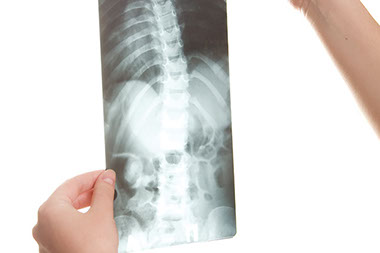
    Image of a X-ray of the spine.

    Curvature of the spine (or scoliosis) may sound like a scary diagnosis, but proper treatment enables children with the condition to lead normal, active lives.

    Small curves are a normal part of the spine and not cause for concern, according to Dr. Daniel Green, a pediatric orthopedic surgeon at Hospital for Special Surgery in Manhattan. But when the curve exceeds a certain range, children require medical help.

    Scoliosis tends to run in families, but most often the cause is not known. However, studies show that scoliosis is not caused by poor posture, the use of backpacks, or any type of exercise. It affects girls 10 times more often than boys.

    Scoliosis is often first detected during a routine visit to the child’s doctor or during a school screening. The development of scoliosis is usually gradual and painless. A curve can develop without a parent or child knowing it, until it becomes more obvious.

    Signs of scoliosis

    *  One shoulder appears higher than the other.

    *  The waist appears uneven.

    *  One hip looks higher than the other.

    *  The ribs appear to stick out on one side.

    *  The child seems to be leaning to one side when standing.

    Early diagnosis and treatment lead to a better outcome. The diagnosis is based on a physical exam and x-rays. A curve of greater than 10 degrees on an x-ray is considered to be scoliosis.

    For patients with smaller curves, the doctor may recommend just watching the condition. For bigger curves, the best treatment may be a brace to correct the condition. Sometimes surgery may be needed.

    © American Institute for Preventive Medicine

  • Crowd Control

    MEDICAL NEWS

    Image of a crowd of people.

    Wherever there are crowds, such as at football games, conventions, or music concerts, there are germs. Mayo Clinic infectious diseases expert Dr. Gregory Poland tells how you can avoid illness when you’re in a large throng of people, even in subways and on airplanes.

    Whenever you’re in a venue with hundreds or thousands of people gathering, you automatically run increased risk for getting “something.” The people around you may not have the same immunization programs or the same standards of personal cleanliness or food safety, he said, especially if you’re in an international group.

    Besides illnesses such as whooping cough, measles, mumps, colds and flu, other heightened dangers in places with large numbers of people passing through include respiratory diseases such as tuberculosis; vermin such as head lice and bedbugs; food-borne sickness such as E. coli, salmonella, hepatitis A and traveler’s diarrhea; and skin conditions including athlete’s foot and staph infections.

    Dr. Poland offers these tips for sidestepping illness:

    *  Keep your vaccines up to date: The most important ones include the MMR vaccine for measles, mumps and rubella; the seasonal flu shot; and a relatively new vaccine called Tdap, for tetanus, diphtheria, and whooping cough.

    *  Wash your hands thoroughly with soap and hot water or an alcohol-based hand sanitizer.

    *  Dine carefully: If it’s not cooked well, boiled or peeled, forget it. Make sure food that is supposed to be hot is served hot and food that is supposed to be cold is served cold, and make sure dishes and utensils are clean.

    *  Wear shower/pool shoes when using the shower or pool in public places.

    *  Avoid swimming pools, hot tubs, or whirlpools unless you are certain they are properly maintained, and it’s hard to tell.

    *  Don’t smoke: It raises the odds you’ll get Legionnaires’ disease if you’re exposed to the legionella bacteria and can also make you more susceptible to respiratory illnesses in general.

    *  Don’t try on hats in stores to minimize the risk of getting head lice. If you buy a hat, seal it in a plastic bag to carry it home, then freeze it for several days or launder it before wearing.

    *  Scout for bedbugs in a hotel room, and once in a room, only place your luggage on wooden surfaces or in the bathtub, not on the floor, bed, chair or couch until you determine whether bedbugs are present.

    *  Be an advocate for your health: If someone near you is obviously ill, move away if you can, or ask to be reseated.

    © American Institute for Preventive Medicine

  • I Cannot Tell Afib

    MEDICAL NEWS

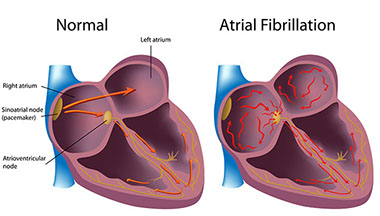
    Illustration of a normal heart vs a heart with AFib.

    Atrial fibrillation or AFib is the most common heart arrhythmia or irregularity in the U.S. It affects up to 4 million people.

    AFib needs to be taken seriously. It increases the risk of stroke by as much as 5 times and can contribute to heart failure and other heart conditions.

    When someone develops AFib, the upper chambers of the heart, the atria, beat rapidly and irregularly. “The atria quiver instead of squeezing normally. This causes slow blood flow, which leads to clots and stroke,” said Dr. Eric Rashba, Director of the Heart Rhythm Center at Stony Brook University Heart Institute.

    People with AFib often feel a fluttering in their chest, an unexplained racing of the heart, or that their heart is skipping beats. Other symptoms include fatigue, dizziness, shortness of breath, and lack of energy. Up to 10% of AFib patients have no symptoms at all.

    AFib can be related to high blood pressure, an overactive thyroid, congestive heart failure, or diseased heart valves. It is important to be diagnosed and treated early.

    The longer you wait for diagnosis and treatment, the more AFib progresses and becomes increasingly difficult to treat. Your doctor can refer you to a heart specialist. Initial treatment is medication. New procedures are also available.

    © American Institute for Preventive Medicine

  • Get Immunized

    MEDICAL NEWS

    Image of a needle and immunizations.

    Each August, National Immunization Awareness Month (NIAM) encourages all people to protect their health by being immunized against infectious diseases. This year, the National Public Health Information Coalition is coordinating NIAM activities and along with CDC is focusing on four weekly themes:

    A Healthy Start

    If you are pregnant or are planning a pregnancy, get vaccines as advised by your health care provider. These include vaccines for flu and whooping cough.

    Today’s childhood vaccines protect against 14 serious and potentially life-threatening diseases, including polio, measles, whooping cough and chickenpox. Most childhood vaccines are given during a baby’s first 2 years. That’s why it feels like so many vaccines so soon. Learn which vaccines a child needs from birth to age 6 atwww.cdc.gov/vaccines/schedules/easy-to-read/child.html.

    Back to School

    Schools are highly prone to outbreaks of infectious diseases because students can easily transmit illnesses to one another as a result of poor hand washing, uncovered coughs and dense populations. Check out the immunization schedule for all recommended vaccines for ages 7 to 18 atwww.cdc.gov/vaccines/schedules/easy-to-read/preteen-teen.htm.

    Off to the Future

    Because some diseases can spread quickly in settings like college dorms and classrooms, many colleges and universities have vaccine requirements for school entry. College-age students should get vaccines not yet received in childhood and follow the adult vaccine schedule, as needed.

    Not Just for Kids

    Did you know that adults age 19 and older need a Tdap vaccine for whooping cough if they did not get it as a teen? Adults should also get vaccines for: tetanus / diphtheria every 10 years, shingles at age 60 or older, and pneumonia at age 65. See CDC’s adult vaccine schedule for these and other vaccines atwww.cdc.gov/vaccines/schedules/downloads/adult/adult-schedule-easy-read.pdf.

    © American Institute for Preventive Medicine

  • Small Changes Your Heart Will Love

    MEDICAL NEWS

    Image of a basket filled with fruits and vegetables.

    You may know the basics of heart health that include a healthy diet, exercise, healthy weight, and avoiding tobacco. But, don’t let these major goals overwhelm you. Instead, take small steps each day that add up to big heart-healthy benefits.

    Say bye-bye to beige and eat the rainbow.

    Look at your plate’s color before you eat a meal. If it’s mostly browns, such as breads, pasta and meat, see if you can brighten it up with fruits and vegetables. Leafy greens, yellow peppers, carrots, blueberries and strawberries are just a few of the brightly colored foods that are great for your heart.

    Cut back on sodium when you can.

    If you’ve been eating salt for years, it can be hard to cut it out completely. But you may not taste the difference if you gradually replace some of the salt in your diet with herbs and spices without sodium. Cutting back on sodium can reduce your risk of heart attack, heart failure, and stroke. Many processed foods already contain high amounts of sodium, and adding salt to food greatly increases sodium intake for many people.

    Walk, if you can’t run.

    For many people, jogging, running, or other high-intensity workouts aren’t possible. Fortunately, you don’t have to choose a tough workout to get heart benefits. Start walking just a few minutes a day. Increase the amount of time you walk when you can until you are walking 30 minutes a day most days of the week. Brisk walking can be just as beneficial to your heart as running.

    If you use tobacco, keep trying to quit.

    Quitting tobacco is hard, and many people struggle to succeed. You may have strong urges to use tobacco or you may slip up and start again after you’ve quit. When this happens, be patient with yourself. Understand that many people have to quit several times before they’ve quit for good. When you quit, your heart – and your entire body – will start to heal. You’ll reduce your risk of heart disease, lung cancer, and many other serious diseases. Talk with your health care provider about prescription medication or nicotine replacement therapy.  Many of these treatments are now covered by insurance.

    Source: American Heart Association

    © American Institute for Preventive Medicine

  • Top Excuses For Not   Getting A Flu Shot (And Why You Should)

    MEDICAL NEWS

    Image of blocks that spell out "flu vaccine".

    Seasonal flu is caused by a virus that can fly through the air, hitch a ride on a handshake, hug or kiss, and is extremely good at infecting people and making them sick.

    It can spread by person-to-person contact or it can land on a surface, such as a doorknob, handrail, or elevator button, only to be picked up by the next unsuspecting person to come along. Maybe even you.

    The best way to avoid the flu this year is to get the widely available flu vaccination from your family doctor, pharmacy, or one of the many flu vaccine clinics sponsored by local health departments, says Dr. Katharine Garnier, a family physician at the University of Medicine and Dentistry of New Jersey-School of Osteopathic Medicine.

    Still, some people routinely avoid this annual shot. For those who are looking for a reason not to get inoculated, Dr. Garnier (humorously) gives her top 10 unwise reasons not to get a flu shot this year:

    1. I’m feeling incredibly lucky this year.

    2. The vaccine is inexpensive so it probably doesn’t work.

    3. I’m not afraid of body aches … or headaches … or sore throats … or dangerously high fevers … and I never get sick!

    4. I like the idea of having a real reason to call in sick for work.

    5. That cute little paper mask over my nose and mouth is a trendy fashion statement.

    6. Getting really, really sick is a great way to lose a few pounds without dieting.

    7. I’m not planning to leave my house, or let anyone in, for the next six months anyway.

    8. I’m anxious to find out if my insurance company really will cover a hospital stay.

    9. I went to the county fair and didn’t get swine flu, so I must have a natural immunity.

    10. Getting sick with the flu will give me a reason to visit relatives I don’t really like so that I can share the virus with them!

    Protect yourself and others. Get a flu shot.

    © American Institute for Preventive Medicine