Category: Uncategorized

  • The Rise Of Food Allergies

    HEALTHY EATING

    Image of an older Asian couple stretching.

    The body’s immune system is designed to fight off unwanted invaders, such as viruses, bacteria and fungi. But when the immune system reacts to something that isn’t usually harmful, such as pollen, dust, or certain foods, it’s considered an allergy.

    The Centers for Disease Control and Prevention (CDC) says 5 out of every 100 children in the U.S. have a food allergy today. About 4 percent of all adults also have food allergies.

    While some reactions may be mild, such as hives or tingling, other food allergies can cause a life-threatening allergic reaction known as anaphylaxis.

    Increase in allergies – and questions

    The Centers for Disease Control and Prevention reports that food allergies increased 18 percent among children from 1997 to 2007.

    Researchers are still trying to find out why food allergies continue to increase. However, they do know a few key facts about food allergies:

    *  Up to 90 percent of all food allergies involve eggs, dairy, peanuts, tree nuts, fish, shellfish, wheat and soy.

    *  Food allergies can occur at any age, not just during childhood. Even if you’ve eaten a food before without problems, you can become allergic to it later.

    *  If you have a parent with allergies, asthma, or eczema, you are more likely to have food allergies.

    *  Kids with food allergies are up to 4 times more likely to have asthma and other allergies, such as hay fever.

    *  Allergies to fish, shellfish, peanuts, and tree nuts tend to last a person’s entire life. Dairy, egg, and soy allergies are sometimes outgrown.

    *  There is no cure for allergies: the allergic food must be avoided.

    A recent analysis in the Journal of the American Medical Association shows that introducing some allergenic foods to a baby earlier in life could lower the risk of food allergies. Talk to your pediatrician before giving your child new foods, especially if allergies run in the family.

    Severe allergic reactions: WHAT TO DO

    Anaphylaxis is a severe allergic reaction that can be deadly. Symptoms include facial or lip swelling, paleness, weakness, difficulty breathing, vomiting and fainting. If someone is having anaphylaxis, it’s important to:

    *  Ask if the person has epinephrine (EpiPen or another injector) and see if they need help injecting it. It is usually injected into a person’s thigh. This should be done quickly.

    *  Call 911 immediately.

    *  Even if the person starts to feel better, he or she should still go to the hospital and seek medical care. The epinephrine delays the reaction, but the allergy must still be treated by a doctor right away.

    © American Institute for Preventive Medicine

  • Watermelon Feta Salad

    HEALTHY EATING

    Image of a watermelon feta salad.

    Ingredients

    7-8 lb. seedless watermelon, chilled

    1/2 cup extra virgin olive oil

    3 limes, juiced

    1/2 cup fresh mint leaves

    1-1/2 tsp salt

    3/4 tsp pepper

    1 cup crumbled feta cheese

    Directions

    Cut off watermelon rind and chop fruit into 1-inch chunks. Place chunks in a colander to drain. Chop up mint. Toss with the watermelon chunks and dressing (see recipe below). Sprinkle feta cheese on top. Serve immediately.

    To make the dressing:

    In a small bowl, whisk together olive oil, fresh lime juice, salt and pepper.

    Serves 8: Per serving: Calories: 233; Total Fat: 18 g; Saturated Fat: 5 g; Sodium: 211 mg; Total Carbohydrate: 18 g; Dietary Fiber: 1.5 g; Protein: 4 g

    © American Institute for Preventive Medicine

  • Save Money On Health Expenses

    FINANCIAL HEALTH

    Image of stethoscope and money on top of paper work.

    Unexpected health care costs can be hard on any budget. To help manage your own health care costs:

    *Get preventive care.Well visits and checkups often cost a lot less than treating a disease or illness. Talk to your doctor and dentist about how often you should be seen, and stick to this schedule.

    *Use generic medicines.Name brand medicines can cost hundreds of dollars more than generic ones. Ask your doctor if a generic medicine is available for your condition. Tell your doctor if you are having trouble paying for medications. Drug makers sometimes offer coupons or savings cards for people who need them.

    *Shop around for your prescriptions.Medicine costs can vary widely among pharmacies. Call pharmacies and ask for the cost of your prescription medicine. Some websites also have prescription medicine costs available for pharmacies in your area. You may also wish to look into mail-order pharmacies.

    *Check your medical bills.Make sure there are no mistakes on your doctor, hospital or prescription bills. And, be sure your insurance covered services it is supposed to cover. If you have questions, or think you may be over-billed, call the number listed on your bill.

    Source: Consumer Federation of America

    Watch those late fees!

    A few dollars here, 20 dollars there… late fees can add up. Whether it’s your credit card bill or a service you received, make an effort to pay your bill on time. Avoid late fees by getting bills set up on automatic payment plans. Or, have a special slot on the wall to place bills that haven’t been paid. Then, they won’t get buried under junk mail or other papers on your desk.

    © American Institute for Preventive Medicine

  • An Annual Financial Review

    FINANCIAL HEALTH

    Women writing on paper with laptop next to her.

    Managing your finances is a long-term investment. Following a budget is the blueprint for financial health. But, how do you know if it’s working?

    A yearly financial review provides a snapshot of how well your financial management achieves your financial goals. And it allows you to identify and adapt to changes in your financial health.

    Step 1: Review your debts

    Begin by making a list of all your debts and their interest rates. Evaluate your progress in reducing your debt burden in the past year. Determine if your current payoff plan is working or if you need to allocate more resources to reduce debt.

    Step 2: Reevaluate your budget

    Compare your budget to your actual monthly expenses. Make adjustments so it accurately reflects your current bills and income. It’s normal for things to change over the course of a year. Identify areas where you are overspending and need to adjust either your budget or your spending habits.

    Step 3: Assess your savings

    It’s wise to have a rainy-day fund set aside in a separate savings account. That account should be paid into each month to provide a safety net in case of unexpected expenses. Check to see how well you did contributing each month.

    Step 4: Review retirement accounts

    Check in with any retirement or investment accounts and consider whether they are growing at a comfortable pace. Make sure you are taking full advantage of any matching retirement funds from your employer. Double-check how the maximum IRA contribution may affect you in the coming year.

    Step 5: Update your financial goals

    Using all the information you have gathered, set both short and long-term financial goals. Paying off debts, reducing expenses, increasing savings or retirement, or planning for a large purchase can all be part of your updated goals. Keep the goals specific and measurable.

    © American Institute for Preventive Medicine

  • The Abcs Of Hepatitis

    MEDICAL NEWS

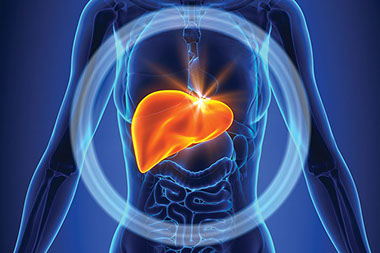
    Illustration of liver.

    Millions of Americans are living with hepatitis today, and many don’t know they have it. Hepatitis can be serious and can lead to lifelong health problems. To help fight this dangerous disease, it’s important to know how it is spread and what you can do to prevent it.

    What is hepatitis?

    Hepatitis is an inflammation of the liver. Without the liver, the body cannot process nutrients, fight infection, or filter the blood. Hepatitis can make someone very sick. Some people with viral hepatitis can get liver cancer or severe scarring of the liver, known as cirrhosis.

    How does someone get hepatitis?

    The three most common types of viral hepatitis are spread in different ways:

    *  Hepatitis A can spread if a person eats or drinks something that has been contaminated with the virus. A person with hepatitis A spreads the virus through their stool.

    *  Hepatitis B can spread when blood, semen or other body fluids from an infected person get into the body of another person. This can happen during childbirth, sexual contact, getting tattoos or piercings, sharing needles or medical equipment, or sharing personal items, such as razors.

    *  Hepatitis C spreads through blood. Sharing needles or personal equipment that comes into contact with blood is the main way it gets spread. It may also spread during sexual contact. Like hepatitis B, Hep C can infect a baby during childbirth if the mother has it.

    How do I prevent hepatitis?

    Many people don’t have symptoms of hepatitis and don’t know they are infected. This means they can spread it to others without knowing it.

    The best ways to help prevent the spread of hepatitis are:

    *  Getting the vaccine, if needed. Vaccines are available for hepatitis A and B.

    *  Getting screened for hepatitis if you are at risk and getting treatment when available.

    *  Being aware of risk factors and avoiding them whenever possible. This may include not sharing needles or other personal equipment as listed on this page. Use latex condoms during sexual activity.

    Is there a cure for viral hepatitis?

    Most people who get hepatitis A will recover after a few weeks or months. People with hepatitis B may need to be checked regularly for liver damage, and the infection may be lifelong. Hepatitis C can often be cured with today’s advanced medications.

    Ask your doctor if you are at risk for hepatitis and whether you should be screened or vaccinated.

    Sources: Centers for Disease Control, World Health Organization

    © American Institute for Preventive Medicine

  • Decoding Sunscreen Labels

    MEDICAL NEWS

    Image of a man placing sunscreen on his face.

    You may already know you should wear sunscreen to decrease your risk of skin cancer and sun damage. In fact, the Skin Cancer Foundation says that wearing sunscreen regularly can decrease your chance of getting melanoma (the deadliest skin cancer) by 50 percent. Wearing sunscreen regularly will also help you avoid signs of aging like wrinkles and dark spots.

    But the sunscreen aisle at the store leaves many people feeling overwhelmed. There are so many choices, different labels, numbers and ingredients. How do you choose one?

    The best sunscreen is one you like, because you should use it every day, says the American Academy of Dermatology (AAD). Here’s how to narrow it down and choose the sunscreen that’s right for you:

    BROAD SPECTRUM

    Always look for the words “broad spectrum.” This means it protects against both kinds of UV rays, and it’s important for proper protection.

    SPF

    Choose an SPF of at least 30.

    SPF NUMBERS

    Don’t let high numbers fool you. The Skin Cancer Foundation says higher SPF sunscreens do protect more, but not by much. No matter what the SPF number says, you still need to reapply at least every two hours, and always after toweling off, sweating or swimming.

    WATER RESISTANT

    If you’re going to be sweating or swimming, choose one that says “water resistant.” There is no such thing as “waterproof” sunscreen. The bottle will say how long the sunscreen will remain water resistant. It may say “40 minutes” or “80 minutes.” That’s how often you need to reapply it when you’ve been in the water.

    LIPS

    Choose a sunscreen for your lips too. A lip balm with broad spectrum SPF 30 is also important. Skin cancer can – and does – affect the lips.

    GELS vs CREAMS

    Sunscreen gels are great for oily skin, while creams work well for dry skin.

    SENSITIVE SKIN

    If you have sensitive skin, consider a physical-only sunscreen. This means the active ingredients on the bottle will only include titanium dioxide or zinc oxide, or both. While chemical sunscreens work well, they can irritate some sensitive-skin types.

    PRICE TAG

    Expensive doesn’t always mean better. A higher price tag may be due to the brand name or certain extra ingredients that make it feel nicer or smell good. It doesn’t mean it will protect you more than a cheaper bottle.

    NO COMBINATION

    Don’t choose a combination sunscreen and insect repellant. The AAD says sunscreen should be reapplied liberally every two hours. But insect repellant should only be applied lightly every several hours as needed.

    BABIES

    Most sunscreens are only approved for babies over 6 months of age. Look for a physical-only sunscreen or one formulated for babies. Babies younger than 6 months should be kept in the shade and covered with lightweight protective clothing and hats, says the American Academy of Pediatrics.

    © American Institute for Preventive Medicine

  • Immunize Your Child

    MEDICAL NEWS

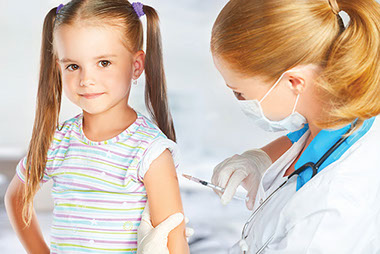
    Image of child receiving a shot by a doctor.

    As summer comes to a close, it’s time to think about going back to school. One of the most important things you can do for your child’s health is to make sure he or she is up-to-date on vaccines, which can protect against many dangerous diseases.

    Vaccine requirements

    Many states require that kids have certain vaccines (shots or immunizations) before they can come to school. The best way to ensure your child is fully protected is to talk to your child’s doctor. You can also find information about vaccines on the Centers for Disease Control website atwww.cdc.gov/vaccines.

    Some diseases, such as mumps and polio, have become very rare thanks to vaccines. But outbreaks of some diseases are still happening, and immunization is the best way to protect your child from a serious illness. For instance, 2014 had a record number of measles cases and many outbreaks of whooping cough have been occurring in schools across the U.S.

    Start vaccines on time

    Babies, toddlers and preschoolers get a number of vaccines early in life to help protect them from 14 life-threatening illnesses. This includes measles, mumps, whooping cough and more, which used to be common – and very dangerous – for young children.

    But vaccines aren’t just for little ones. As children get older, they may need “boosters” to help protect them as the first vaccine begins to wear off. And, certain vaccines like the flu shot need to be given every year for protection.

    Vaccines protect everyone

    When disease outbreaks happen, a vaccinated person is much less likely to get sick. If they do get it, they usually get a much milder case.

    Getting all vaccines on time means you are protecting your own child and others around them. This is known as “herd immunity.” When 90 to 95 percent of people in a community are vaccinated, it’s almost impossible for these dangerous diseases to spread. But when vaccine rates go below 90 percent, diseases can take hold and spread. This weakens the immunity of an entire community.

    If you’re not sure if your child needs vaccines, call your child’s doctor today and beat the back-to-school rush. Catch-up vaccines can be given, if needed, even if your child missed some shots before.

    Concerned about vaccines?

    The U.S. supply of vaccines is extremely safe and effective. When reading something about vaccines, be sure the information comes from a credible source with data to prove the statements. Many false claims have been made about vaccines. Some of these false claims can be found on the Internet even after they’ve been proven wrong. If you have questions, ask your child’s doctor or visithttps://ivaccinate.org

    to get answers to many common concerns.

    © American Institute for Preventive Medicine

  • Numbers To Know: Your Blood Pressure

    MEDICAL NEWS

    Image of scale shaped as a plate with fruits shaped as a heart.

    High blood pressure is a common problem. About half of American adults have it. In fact, many people have dangerously high blood pressure and don’t even know it. This is because high blood pressure often has no symptoms and puts you at risk of having a heart attack, stroke or kidney failure.

    What is high blood pressure?

    When your heart beats, it pumps blood through the blood vessels. High blood pressure means the force of your blood against the blood vessels is too high. Over time, this strains the heart and damages blood vessels.

    What the numbers mean

    Blood pressure is measured in two numbers:

    *  Systolic blood pressure is the upper number. This measures how much pressure the blood is putting against blood vessels when the heart beats.

    *  Diastolic blood pressure is the lower number. This is how much pressure the blood is putting against blood vessels between heartbeats.

    Both numbers are important signs of heart health. Normal blood pressure is less than 120 (upper number) and less than 80 (lower number). If either one is higher, you may be diagnosed with high blood pressure.

    Can high blood pressure be avoided?

    In many cases, a healthy lifestyle and medical care can control or prevent high blood pressure. This can lower the risk of a heart attack, stroke or other problems.

    To keep blood pressure in check, follow these guidelines:

    *  Lose excess weight if needed.

    *  Don’t smoke.

    *  Eat a healthy diet with vegetables, fruits, whole grains and lean protein.

    *  Get exercise regularly. A minimum of 30 minutes, 5 days a week is best.

    *  Avoid too much salt in your diet.

    *  Avoid or limit alcohol.

    *  Manage stress and use relaxation methods if needed.

    *  Manage other health conditions like diabetes.

    You don’t have to do this alone. Your doctor can help you with a plan to lower blood pressure. He or she may help you find ways to lose weight, and may give you diet and exercise guidelines to follow.

    Sources: American Heart Association, American Academy of Family Physicians

    © American Institute for Preventive Medicine
  • Smoking And Pregnancy

    MEDICAL NEWS

    Image of pregnant women breaking a cigarette in half.

    According to researchers at the Moffitt Cancer Center in Tampa, nearly 50% of pregnant women who smoke will quit during their pregnancies, but more than half of those will start smoking again after they give birth.

    Not only is smoking harmful for new mothers, but their babies could also be exposed to dangerous secondhand smoke or thirdhand smoke which is left on clothing, furniture, curtains and there surfaces.

    © American Institute for Preventive Medicine

  • Ulcers Not Caused By Stress

    MEDICAL NEWS

    Image of man holding this stomach.

    The lining of your stomach makes acid and enzymes that help break down food into the nutrients you need. The lining protects itself from acid damage by releasing mucus. But sometimes the lining gets inflamed and starts making less acid, enzymes, and mucus. This type of inflammation is called gastritis.

    You may have gastritis if you have pain or an uncomfortable feeling in your upper stomach. You could have nausea or vomiting. Or you may have no symptoms at all.

    Untreated, some types of gastritis can lead to ulcers. These are sores in the stomach lining.

    Some people think ulcers are caused by stress and spicy foods. But according to the NIH in Health, bacteria called H. pylori are often to blame. These bacteria break down the inner protective coating in the stomach and can cause inflammation.

    H. pylori can spread by passing from person to person or through contaminated food or water. Infections can be treated with antibiotics.

    One type of gastritis, called erosive gastritis, wears away the stomach lining. The most common cause of erosive gastritis is long-term use of medications called non-steroidal anti-inflammatory drugs. These include aspirin and ibuprofen. Stop taking these pain relievers and the gastritis usually clears up.

    Less common causes of gastritis include digestive disorders (such as Crohn’s disease) and autoimmune disorders in which the body’s protective immune cells attack healthy cells in the stomach lining.

    Gastritis can be diagnosed with an endoscope. A thin tube with a tiny camera on the end is inserted through the patient’s mouth or nose and into the stomach. The doctor looks at the stomach lining and may remove some tissue samples for testing. Treatment will depend on the type of gastritis found.

    Although stress and spicy foods don’t cause gastritis and ulcers, they can make symptoms worse. Milk might provide brief relief, but it also increases stomach acid, which can worsen symptoms. Your doctor may advise taking antacids or other drugs to  reduce acid in the stomach.

    Gastritis can lead to ulcers over time. Symptoms of ulcers include pain between the belly button and breastbone that starts between meals or during the night. It briefly stops if you eat or take antacids, lasts for minutes to hours, and comes and goes for several days or weeks.

    Contact your doctor right away if you have sudden sharp stomach pain that doesn’t go away, black or bloody stools, or vomit that is bloody or looks like coffee grounds.

    © American Institute for Preventive Medicine