Category: Family Life

  • Timeout-And Other Effective Ways To Discipline Your Child

    FAMILY LIFE

    Image of young boy in a time out.

    As a parent, one of your jobs is to teach your child to behave. While this can take time, try not to get frustrated when your child does not behave. Instead, learn effective ways to discipline your child.

    When your child does not listen, the American Academy of Pediatrics says to try these techniques:

    *Natural consequences.It’s hard (for you), but let your child see what will happen if she does not behave (as long as it does not place her in danger). For example, if she throws and breaks her toy, she will not be able to play with it. It won’t be long before she learns to play carefully with her toys.

    *Logical consequences.These are the times when you will need to step in and create a consequence. For example, tell your child that if he does not pick up his toys, you will put them away for the rest of the day. Mean what you say. Be prepared to follow through right away. Be firm and respond calmly.

    *Withholding privileges.Tell your child that if she does not cooperate, she will have to give something up she likes. But never take away something your child needs, such as a meal. Choose something your child values that is related to the misbehavior. And take the item or privilege away right away if the child is younger than 6 or 7.

    *Timeout.Works well when a specific rule has been broken. Is best for children 2 to 5 years old, but can be used throughout childhood. Set the rules ahead of time. Choose a timeout spot (a boring place such as a chair but not a bathroom or bedroom). Do not discuss or negotiate. Set a time limit (1 minute for every year of age).

    © American Institute for Preventive Medicine

  • 3″M”S For Giving Kids An Allowance

    FAMILY LIFE

    Child hands holding a dollar bill.

    An allowance can help children learn about responsibility. It also helps children learn about the value of money. The 3 M’s of allowance will help you guide kids of all ages in the right direction.

    1.  Make yourself clear. Tell them that chores should contribute to the family, not just themselves. For instance, they should do more than keep their room clean and pick up their own things. They may also do things like help with yard work, clean the bathroom sink or empty the dishwasher. Make sure they do these things well before you pay them. If they don’t know how to do it, show them.

    2.  Modest amounts. Kids should use allowance for fun things, not clothes or necessities. There’s no need to give them big amounts of money. Remember this is not a salary, but a way to teach kids about work. Older children should have more difficult jobs and therefore, their allowance should be larger.

    3.  Monitor their spending. Once they earn their money, talk with kids about spending and saving. While they should have some freedom to spend their money on something they want, help them make wise choices. They may regret their purchase later if they don’t give it a lot of thought.

    © American Institute for Preventive Medicine

  • 6 Ways To Be A Good Houseguest

    FAMILY LIFE

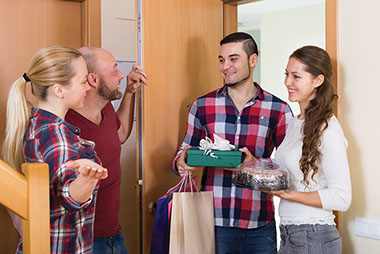
    Image of houseguest entering home with dessert.

    Each year, millions of Americans travel and visit friends and family members for the holidays. And with so many overnight visits this time of year, being a courteous houseguest is a skill that may come in handy. If you’re staying with a friend or family member, remember these tips:

    *Make plans well in advance.Don’t expect family members to drop everything at the last minute for your visit. Give them several weeks notice of when you will be coming (if possible) and don’t arrive earlier or stay longer than planned.

    *Consider a small gift.A bouquet of fresh flowers, a book, or an attractive fruit bowl are good host gifts to consider.

    *  Pay attention to house rules. Are there shoes by the door? Then you should take yours off when you enter.

    *Offer to pitch in.Ask if you can pick up some groceries at the store, or offer to pay for meals when going out.

    *Clean up after yourself.Don’t expect the host to do it all. Help clear the table after meals and wash dishes. The day of your departure, strip the sheets off the bed and offer to throw them in the laundry. Wipe off the bathroom counters after you use them. Put things back where you found them.

    *Send a note afterward.When you return home, send a short but sincere thank you note to your host.

    Source: The Emily Post Institute

    © American Institute for Preventive Medicine

  • Choosing Quality Child Care

    FAMILY LIFE

    Image of Asian baby.

    Today, more children than ever live in households where both parents work. As a result, child care is a necessity for many families. You can make an informed choice with a little homework and preparation.

    First, think about the type of care you’d like.

    In general, your choices will include daycare centers, family child care homes and in-home care like a nanny, babysitter or au pair. There is no right or wrong answer, and no one option works for everyone. Consider your and your child’s personalities, as well as the cost of each choice.

    See it for yourself.

    If you’re considering a child care center or family home, ask about coming in for a visit. Seeing the environment yourself can often give you a better feel for the caregivers and the atmosphere. Do the children get constant supervision? Do they receive positive discipline?

    Look at group size.

    Each state has required caregiver/child ratios. See if you’re comfortable with the size of the group and ask about their typical ratios. Infants need one caregiver per four children at a minimum. The ratios get higher as the children get older.

    If you’re looking for a nanny or au pair, prepare for interviews.

    You should talk with each candidate to get a feel for their personality, child care philosophy and their training and education. You may wish to write a list of questions in advance, and take notes during each interview so you can refer to them later.

    Check health and safety guidelines.

    Caregivers should be up-to-date on CPR certifications. Ask about smoke and carbon monoxide detectors and childproofing all areas for safety.

    Discuss illness prevention.

    Find out whether policies are in place to prevent the spread of illness. This may include requiring children to be fever-free for 24 hours before returning to care, as well as other policies on specific symptoms and illnesses. Caregivers should thoroughly wash their hands after each diaper change  or using the bathroom, and before  preparing any food.

    The ultimate goal for any child care is to find one that keeps your child safe, healthy and happy.

    Source: U.S. Department of Health and Human Services, Child Care Aware

    © American Institute for Preventive Medicine

  • How To Train Teens Toparticipate Safely In Sports

    FAMILY LIFE

    Image of high school girl's basketball team playing.

    Increased participation in football, soccer, basketball, and other sports also leaves athletes more prone to injury, but certain good practices can help protect them from being sidelined, according to Dr. Scott Rodeo, an orthopedic surgeon at the Hospital for Special Surgery.

    *  Athletes need to stay hydrated. Water is adequate, but fluids with electrolytes are needed if athletes exercise more than 2 hours a day.

    *  Make sure young athletes warm up properly to slowly increase the heart and breathing rate by doing low-intensity versions of the activity and stretching.

    *  Any player who feels dizzy, light-headed, or short of breath needs to get out of the game. This is especially important if playing or practicing in hot and humid conditions.

    *  Athletes can push themselves during practice, but should not go to complete exhaustion.

    *  Athletes should talk to their parents or coaches if they feel they have been injured. There is no such thing as a mild concussion. Signs of a concussion include a headache, light sensitivity, appearing confused, and clumsiness. After a player is removed from a game, parents need to monitor their child at home to make sure symptoms aren’t worsening.

    *  Limit weekly training time, number of repetitions, and total distance to no more than a 10% increase each week.

    *  Ensure the use of proper equipment for each sport: protective equipment should be the correct size, fit well, and protect from top to bottom.

    *  Players should be educated on the rules of the game: make sure they understand their role and position, as well as where to be to avoid being in harm’s way.

    *  Serious injuries should be promptly evaluated and treated. Even injuries that may be considered minor should be promptly checked by a medical professional so they do not cause more serious problems later on.

    *  Parents should be vigilant to signs of burnout such as athlete’s fatigue, poor academic performance, and complaints of nonspecific muscle or joint problems.

    *  Keep it positive: emphasize that the focus of sports participation should be on fun, skill acquisition, sportsmanship and, above all else, safety.

    *  Nutrition is important for recovery. Consume a carbohydrate bar or carbohydrate drink immediately after practice, followed by a meal one to two hours after to help maintain strength and endurance.

    © American Institute for Preventive Medicine

  • Should Kids Have Caffeine

    FAMILY LIFE

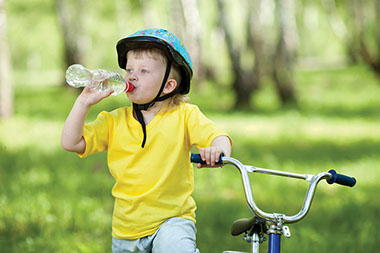
    Image of boy drinking water standing next to his bike.

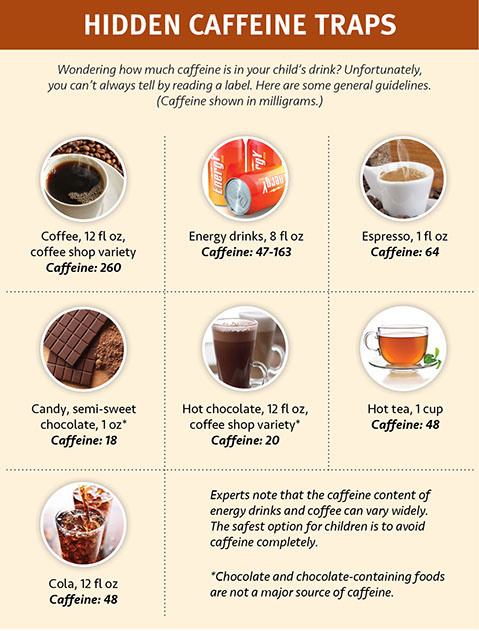
    Many kids love the sugary sweet taste of soda, sports drinks and energy drinks. And, many of these drinks also contain various amounts of caffeine. Is it okay for your child to consume these drinks?

    No, says the American Academy of Pediatrics (AAP). Because these drinks can actually be harmful, the AAP says children and teens should avoid them. Here’s why:

    *  Caffeine can be harmful to a child’s developing brain and heart, according to the AAP.

    *  Soda contains extra sugar and calories that can lead to weight gain and tooth decay.

    *  Energy drinks contain caffeine and other stimulants which can be harmful to children. Often, the caffeine content is not listed and can be higher than a cup of coffee.

    *  Water is a better option for kids playing sports. Sports drinks are usually not needed and often contain extra calories. Only children who exercise very hard for long periods may need a sports drink to replenish lost electrolytes, such as sodium and potassium.

    The Academy of Nutrition and Dietetics (AND) agrees. Caffeine can interfere with a child’s sleep. The AND adds that caffeine can lead to a cycle of lack of sleep and consuming more caffeine to get through the day. If your child is low on energy, the AND recommends a short nap or getting to bed earlier at night.

    © American Institute for Preventive Medicine
  • Tips For New Empty-Nesters

    FAMILY LIFE

    Image of couple sitting in front of their house.

    Busy parents may dream of the day when they can have time to themselves again. But sometimes when the last child leaves home, parents are left with feelings of sadness and loss. This is known as “empty nest syndrome.”

    Empty nest syndrome happens to many parents. But, there are some ways to help prepare for it and cope with it once it happens.

    Pick a hobby with your spouse.Having an empty nest means you and your partner have more time to do fun things together. This can help you improve your relationship too.

    Get support from friends and family.Talk to those who have been through the empty nest experience.

    See a doctorif you think you may have depression.

    Stay in contact.Talk to your child over the phone, in texts, or online whenever you can.

    Look for new opportunities.Have you been putting off taking a class, working toward a promotion, or other interests? Now may be the time to try it.

    Experts point out that an empty nest isn’t always a time of sadness. Many parents find they enjoy their newfound freedom, according to the American Psychological Association. With today’s technology, it’s easier than ever to stay in touch. And many parents are excited to get more time for their own goals once their children are grown.

    Source: Vanderbilt University Child and Family Center

    Not-so-empty nest

    The number of adult children living with their parents is higher today than ever. Between 2005 and 2011, the percentage of young adults living in their parents’ home went up, according to the U.S. Census Bureau. The percentage of men age 25 to 34 living in their parents’ home rose from 14 percent in 2005 to 19 percent in 2011. For women of the same age, it rose from 8 percent in 2005 to 10 percent in 2011.

    © American Institute for Preventive Medicine

  • 3 “S”S For Being Active At Work

    FAMILY LIFE

    Two coworkers holding a set of dumb bells in hands.

    Many people have jobs that require sitting at a desk or being inactive for long periods of time. This can make it hard to reap the benefits of exercise, like having more energy and weight loss. But you can fit in fitness at work with just a few tricks.

    1.  Shoes. If you wear a dress or work shoes, bring your sneakers to work. Keep them under your desk and slip them on during your lunch break so you can take a brisk walk in comfort.

    2.  Stairs & standing. Whenever possible, take the stairs instead of the elevator. A few extra calories burned is better than none. Try to stand or walk when you don’t need to be sitting. This could be during a phone conversation, or going down the hall to speak to someone instead of calling or emailing them.

    3.  Schedule. Put time in your schedule to exercise. It’s one of the most important things you can do for YOU! If you don’t have enough time at lunch, find a way to exercise either before or after work. Write it down in your work calendar as a reminder that it’s an important commitment.

    © American Institute for Preventive Medicine
  • 7 Keys To Raising Stronger And Happier Kids

    FAMILY LIFE

    Image of children at the playground.

    1.Build confidence daily (even for 5 minutes):It is the everyday things we do with our children that help them feel stronger and happier no matter what. Say affirmations together on the way to school or read a bedtime story every night that teaches about your child’s power within.

    2.Get them moving:Children need to move their bodies and get their energy released in a healthy way. Be sure they do something they love from making a garden to becoming a soccer star. (Let them pick it!)

    3.Sign them up for 1 weekly confidence-building activity:Your children’s weekly boost may be a sport like soccer or singing lessons. Most importantly, they need to see themselves succeed (really important) and also have a regular way to see themselves master a task. This builds outer and then inner confidence.

    4.See success together:Oprah always says that if you can believe it, you can achieve it. So help your children believe more fully in themselves. Do affirmations together like “I love me” and “I am amazing in every way.” Or, do a guided meditation, sing a song that sparks them up or draw a vision board. Let your creativity loose so you both become more self-assured.

    5.Get inspired:Do something inspiring together whether it is going to see magnificent waterfalls, flying a kite, or learning hula-hooping. By doing something that lights your children up, they learn how to build a new skill and you’ll see their confidence soar.

    6.Create an uplifting space:Decorate your children’s space so they see happy photos of themselves, their awards displayed, goals (or vision board) hung up and they have their favorite things all around them. By making the space feel good to your kids, they’ll realize this world is supporting them, their dreams can come true, and others want to see them succeed.

    7.Play more:Happier children know the importance of play whether they are outdoors helping their parents garden or playing tag with their buddies! So the more you help your children build skills, see their power within, and play in their daily lives, the happier they’ll be.

    Source: Maureen Healy, an emotional health and parenting expert, author of Growing Happy Kids: How to Foster Inner Confidence, Success, and Happiness

    © American Institute for Preventive Medicine