Category: Family Life

  • How Was Your Day At School?

    FAMILY LIFE

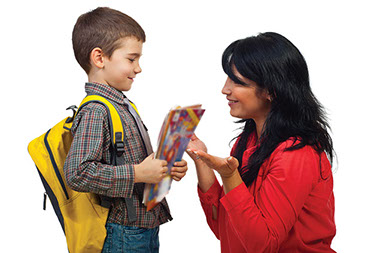
    Image of mother and her school-age child.

    Students are back in school, and now is the time for parents to develop routines to help their children succeed academically. Kimberly Greder, Iowa State University Extension and Outreach family life specialist, says parental involvement, more than income or social status, is a predictor of student achievement.

    *  Create a home environment that encourages learning. Set high but reasonable expectations for your kids.

    *  Get involved, with your kids, in school and community activities. Ask about homework. Visit with teachers and school counselors. Ask them what you can do at home to help your kids succeed.

    *  Ask your kids about their day at school.

    *  Encourage reading at home and be a role model.

    *  Watch who your kids hang out with. Make sure they are doing healthy activities.

    *  Get your kids involved in activities or sports to develop leadership skills and positive communication and conflict resolution skills.

    © American Institute for Preventive Medicine

  • Sick Kid?

    FAMILY LIFE

    Image of mother and child at the doctor's office.

    For many reasons, a child being home from school while sick can be stressful. Parents worry about the severity of their child’s illness and about the child missing school, all while trying to shuffle work schedules to be home.

    But when should kids stay home from school? Dr. Hannah Chow-Johnson, pediatrician at Loyola University Health System, gives some guidelines to help parents make that decision.

    Pinkeye.

    Extremely contagious and is usually caused by a virus. One of the first signs of pinkeye is discomfort. Other symptoms include a sticky discharge that can cause the eyelids to stick together, and the area around the eye can look red and swollen. Stay home until the redness is gone.

    Stomach problems.

    Gastroenteritis or the stomach flu can cause vomiting and diarrhea. Most often, it is caused by a virus. A child needs to rest and take gradual fluids to recover. Stay home until the vomiting and diarrhea are gone for 24 hours.

    Fevers.

    Most schools have a policy that a child can’t attend if they have a fever higher than 100 degrees F and the child needs to be fever-free for 24 hours before returning to school. Stay home and rest.

    Coughing.

    If a child has a steady cough, a hacking cough, or coughing fits, he or she should stay home. It’s also important for children and adults to be vaccinated against pertussis (whooping cough). Go back to school with a minor cough, but practice good coughing skills such as coughing into a tissue or elbow and washing hands often.

    Sore throat.

    Many parents think sore throat means strep throat, but in 70% of the cases the pain is caused by a virus. Symptoms of strep also include headache, stomachache, and fever. Sometimes there is a sunburn-like rash on the throat. Stay home if the doctor has given an antibiotic and the child has been on it for 24 hours. If the sore throat is viral, return to school when the child feels better.

    Lice.

    Unfortunately those stubborn bugs mean no school for kids. They can quickly spread through a classroom. Children need lice treatment and combing to remove all nits.

    © American Institute for Preventive Medicine

  • Tips To Help Kids Succeed

    FAMILY LIFE

    Image of kid holding an 'A' graded paper with thumbs up.

    Parenting is not an easy job, and it seems there are thousands of ways to do it. With so many parenting books and techniques available, how do you know what works? Sometimes, it helps to go back to the basics. You don’t have to be perfect or read every parenting book on the market.

    Years of research from medical experts says the following parenting tips will help keep your kids healthy and happy:

    *Be loving.Kids need love every day. Tell them you love them and give hugs and kisses.

    *Give them comfort.If a child is scared, help them to feel safe. Take steps to protect them and help them cope with fears.

    *Spend time with them.Set aside time each day to focus on them, and put the phones and devices away during this time. Point out good things they do. Be specific. For example, you might say, “I’m really proud of you for cleaning your room without being asked.”

    *Be a good listener.No matter what the topic, kids will feel valued if you look at them and listen to what they say.

    *Use a routine.Kids like to know what’s coming next. Set times for bed, meals and simple chores to help them feel secure.

    *Forgive mistakes.Help them by saying what they could do next time to avoid the mistake. Don’t criticize them as a person by saying, “you were bad.”

    *Have rules & stick to them.Parents, babysitters and other caregivers should follow the same rules. Don’t change them or let certain people break them. This only creates confusion and can lead to behavior problems.

    Even with the best advice, parents may need help from an expert. This doesn’t mean you’re a bad parent. Sometimes, talking to someone who can help makes a big difference. If you feel you need help with parenting, try the following resources:

    *  Your child’s pediatrician

    *  Your own primary doctor

    *  Local parenting classes at hospitals, schools or community centers

    *  A family counselor or minister

    *  Online support groups

    Don’t be embarrassed to ask for help. It’s a sign that you want to be the best parent you can be, and that’s a good thing!

    © American Institute for Preventive Medicine

  • 6 Ways To Help New Parents

    FAMILY LIFE

    Young couple holding newborn.

    New parents need the support to weather all the challenges & changes. Try these practical ways to help the new parents in your life.

    1.  Drop off freezer meals. A fresh meal is greatly appreciated, but having a stash of freezer meals is extra insurance for future tough days.

    2.  Clean the house. Whether you roll up your sleeves yourself or hire a service, a clean, tidy home can be a big load off a new parent’s mind.

    3.  Help with yard work. Rake, mow, prune, mulch, water, and weed so mom and dad can focus on the baby.

    4.  Hold the baby. Sometimes, all new parents need is someone else to snuggle and comfort the baby while they take a nap.

    5.  Give them a night out. Once the baby is old enough, the greatest gift you can give new parents is a chance to get away on their own and reconnect.

    6.  Provide a listening ear. New parents spend all day engaging with their baby. They need time to relax and chat with adults too!

    © American Institute for Preventive Medicine

  • Aging Parents & Falls: Simple Prevention Tips

    FAMILY LIFE

    Image of older women recieving help to sit.

    Because people are living longer than ever, many people have senior parents in their lives. One of the biggest health issues facing older adults is falls. In fact, the CDC reports that nearly 3 million older adults are treated in the emergency room each year for a fall-related injury.

    Whether your older parent lives with you or just visits occasionally, there are some simple steps you can take to keep your older parent safe from falls at home.

    *  Place handrails on both sides of all stairways.

    *  Carpets and rugs should be tacked to the floor. Do not use loose rugs.

    *  Make sure you have good lighting throughout the home, especially at the top and bottom of the stairs. Use nightlights in bathrooms, next to the bed, and in hallways.

    *  Keep the floor clean and free of clutter. Avoid having cords or wires on the floor.

    *  Place grab bars near toilets and on the inside and outside of your tub or shower.

    *  Use non-skid mats or carpet on floors that get wet.

    © American Institute for Preventive Medicine

  • Coping With The Loss Of A Spouse

    FAMILY LIFE

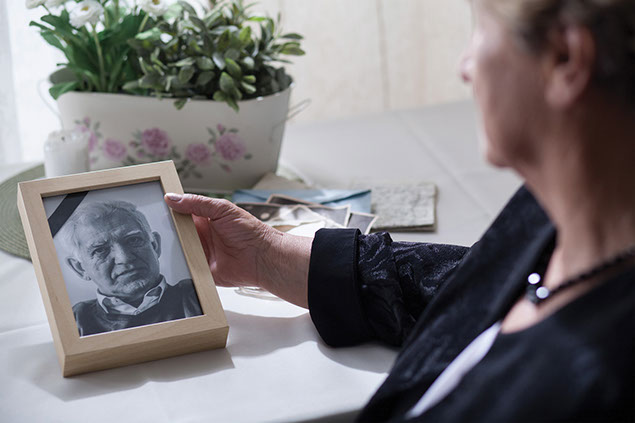
    Image of sad, older female sitting on couch.

    Losing a husband or wife is devastating. A whirlwind of intense emotions-overwhelming sadness as well as shock, fear, guilt, anger, and numbness-make the days and weeks after a spouse’s death agonizing and confusing.

    It may be small comfort to know that these feelings are normal and will be temporary.

    “Sadness may never go away entirely,” said clinical psychologist Dr. Hayley Hirschmann of Morris Psychological Group, “but the pain of acute grief becomes less intense over time as the good days start to outnumber the bad.”

    Dr. Hirschmann offers this advice:

    *Accentuate the positive:Studies have shown that those who are able to draw on humor and pleasurable memories are happier and healthier than those whose thoughts of the deceased are mostly sad and focused on their loss.

    *Let others help:Don’t shy away from expressing your feelings to those close to you; you will feel less alone if you can share your grief with a sympathetic listener. Accept help with chores and legal and financial responsibilities. Consider joining a bereavement support group.

    *Take care of yourself:Eat well, exercise regularly, get enough sleep. Be alert to falling into bad habits.

    *Don’t make big changes right away:Wait a while before moving or changing jobs.

    © American Institute for Preventive Medicine
  • Is Your Teen Depressed? How To Tell

    FAMILY LIFE

    Image of teenage boy with counselor.

    Teenagers go through a lot of hormonal and social changes that can cause high stress levels and “the blues.” But, sometimes it’s more than that. Some teens actually have depression, which is a real mental health disorder that needs treatment.

    These are some signs of depression in teens:

    *  Being angry or irritable a lot

    *  Feeling sad all the time

    *  Unexplained headaches, stomach aches or other health problems

    *  Avoiding family and friends

    *  Not finding enjoyment in things they like

    *  Being tired all the time

    *  Sleeping a lot or sleeping very little

    *  Change in eating habits or appetite

    *  Drop in grades or missing school

    *  Using alcohol or drugs

    If you notice your teen is acting different, reach out to them. Try to find out if they need some help from a counselor or a doctor. Some teens have depression without any obvious symptoms.

    Always take any threats of suicide seriously. If your teen talks about hurting themselves or suicide, get them medical help right away. Or, call the National Suicide Prevention Lifetime at 1-800-273-8255.

    Risk factors for depression in teens

    These factors may increase the risk of depression:

    *  A family history of depression or anxiety

    *  Stressful life events like a death in the family, a breakup or a move to a new place

    *  Low self-esteem or being very critical  of themselves

    *  Having a learning disability or a  chronic illness

    Try to talk with your teen often. Ask how they are feeling and how things are going at school or work. If you’re concerned, talk to them about seeing a doctor to get screened for depression.

    © American Institute for Preventive Medicine

  • Single Parents: Strategies For Success

    FAMILY LIFE

    Image of father and young daughter.

    Being a single parent can be stressful. After all, raising a child is tough work! Without someone else to share the load, things may feel twice as hard.

    The U.S. Census Bureau says 11 million households with kids under age 18 have a single parent. These tips can help you and your children lead happy and healthy lives, together:

    *  Let your kids talk. Have a family meal or some time each day to talk with your kids. Ask them about school and activities. Young children may appreciate some quiet playtime with you or reading a book together. Let them talk about their feelings, both positive and negative ones.

    *  Get support. Family, friends and support groups can be very helpful for single parents. Talking to other adults is a great way to get helpful advice and lower your stress level.

    *  Don’t worry about buying “things” for your kids. Most kids just want time with their parent. Your attention is one of the best gifts you can give them.

    *  Find good child care. You may need some time for yourself, away from your kids. A reliable babysitter or daycare is a great way to give you a break from caring for your kids. Try a new hobby, take a walk, or go out with a friend when you get the chance.

    *  Keep a schedule. As much as possible, keep each day close to the same schedule. A consistent bedtime, wake time and meal times can help kids feel secure. Kids like routine because they know what happens next.

    *  Don’t turn to your kids for support. It can be hard when you feel like you need to talk to someone about your feelings. You may be tempted to say things to your kids about work stress or your former spouse or partner. Avoid this, as it adds stress and worry to a child’s mind. Try to keep it to yourself and “vent” to an adult friend instead.

    *  Work on discipline with your former spouse or partner. Having the same rules and parenting strategy is important if kids spend time at more than one house. Try to talk with your child’s other parent about ways you can work together to raise healthy and confident kids.

    *  Keep an eye on your mental well-being. If you are feeling helpless or hopeless, or if you have anxiety or panic attacks, talk to your doctor. Your mental health is an important part of taking on the stress of being a single parent.

    Source: American Academy of Pediatrics

    © American Institute for Preventive Medicine

  • Turn Off, Tune In

    FAMILY LIFE

    Image of family sitting on couch watching TV.

    Parents, turn off the television when your children are with you. And when you do let them watch TV, make sure the programs stimulate their interest in learning.

    That’s the advice arising from University of Iowa researchers who examined the impact of television and parenting on children’s social and emotional development.

    The researchers found that background television-when the TV is on in a room where a child is doing something other than watching-can divert a child’s attention from play and learning. It also found that non-educational programs can negatively affect children’s mental development.

    Best advice:Sit down and watch a TV show. When it’s over, turn off the TV.

    © American Institute for Preventive Medicine

  • A Heavy Load For Kids’ Backs

    FAMILY LIFE

    Smiling boy wearing a backpack.

    We may think of back pain as an adult problem. But back problems can happen to kids, too. Many times, it’s because kids’ backpacks are too heavy.

    Kids often carry backpacks to school or activities. They may have books, lunch, clothes or equipment. This all adds up. Backpacks that are too heavy – or that a kid uses incorrectly – can strain the back. It may cause headaches or even damage the spine.

    How heavy should it be?

    Weigh your child both with and without the full backpack. Then subtract your child’s weight alone from his weight with the backpack.

    Kids should not have a backpack that weighs more than 10% of their body weight. If your child weighs 80 pounds, their backpack should be less than 8 pounds. If they weigh 67 pounds, their backpack should be less than 6.7 pounds.

    Measuring matters

    It’s important to find a backpack that fits your child. If you go to a store, have them try on the backpack. Make sure it is not wider than their back. The pack also should not sit more than 4 inches below the waist.

    If you buy online, pay attention to the measurements. Measure your child’s back and see if the pack is too wide or too long for them.

    Finding a good pack

    Look for these features when shopping for your child’s backpack:

    *  Two shoulder straps that are wide and padded

    *  Padding in the back

    *  Waist strap

    *  Multiple pockets

    *  Lightweight material

    Show them how to carry

    Kids should carry a backpack with the straps over both shoulders. Carrying on one shoulder can hurt their muscles and joints. Tighten the shoulder and waist straps so that they are snug against the body. The backpack should rest over the middle of their back. Put heavy items in the bottom, like books.

    Finally, keep it light! See if they can keep certain items at home to lighten their load.

    Source: American Academy of Family Physicians

    © American Institute for Preventive Medicine