Category: Family Life

  • Moving Away: Tips For Families

    FAMILY LIFE

    Image of couple holding moving boxes.

    Moving is a major change for all members of the family. Whether you’re buying a house across town or heading across the country, a new home can be stressful, fun and confusing at the same time. Kids – and parents – of all ages may need some help during the transition:

    *Plan in advance.Sometimes moves have to happen quickly due to a new job or other situation. But if you can, give your kids plenty of time to tell their friends about the move and to say goodbye. Get addresses, emails and phone numbers so they can keep in touch. Take pictures with friends and at your old home.

    *Talk about it and support each other.Be open with your child, teen or spouse. It’s okay to miss your old home or town. Ask them how they’re feeling. Having good communication can help relieve stress and work through tough feelings.

    *Keep your routine.As much as possible, do the same things you used to do once you’re in your new home. Cook familiar dishes for dinner and keep family activities the same. This can help everyone adjust.

    Essential moving items

    When you’re moving, you may feel like you don’t have anything you need at your new place. Make sure you pack these important items to get by until you’re settled in:

    *  Keys, wallet, purse and cell phone

    *  Chargers for electronics

    *  Medicines

    *  Toiletries, such as soap, shampoo, toothbrushes and deodorant

    *  Toilet paper and tissues

    *  Shower curtain

    *  First aid kit

    *  Sheets and pillows

    *  Plates, cups, utensils  and napkins

    *  Dish soap and hand soap

    *  Easy meals and snacks

    *  Favorite books or toys for kids

    *  A few changes of clothes and laundry detergent

    © American Institute for Preventive Medicine

  • Strike The Right Cord

    FAMILY LIFE

    Image of young smiling family.

    Children can be strangled by window cords on blinds and curtains. In fact, such tragedies are among the top hazards in American homes. Infants and children die each year from accidental strangling in the cords.

    The Consumer Product Safety Commission recommends that only cordless window coverings or those with unreachable cords be used in homes with young children. They are available today in the marketplace and will prevent window blind strangulations.

    In addition, the Window Covering Safety Council encourages parents, grandparents and caregivers to follow these basic cord-safety precautions:

    *  Move all furniture, cribs, beds, and climbable surfaces away from windows.

    *  Keep all window shades, blinds, and drapery cords well out of the reach of children.

    *  Install only cordless window coverings in homes with young children.

    © American Institute for Preventive Medicine

  • What Is Marriage Counseling?

    FAMILY LIFE

    Image of a couple with a marriage counselor.

    Marriage and relationships take lots of work. When a couple has a problem, they may wonder whether marriage therapy or couples counseling could help.

    Counseling usually includes talk therapy. This means you talk to a professional counselor about your issues. But, therapy isn’t just about talking. Your counselor may help one or both partners address mental health problems that can interfere with the relationship. For example, issues such as depression or anxiety may need treatment. This can go hand-in-hand with the couples counseling.

    When a couple goes to counseling, they can get “tools” to use in daily life that help them with their communications. For instance, therapy can give you new ways to look at challenges or problems. This can help you address issues before they become too big to handle. You may also learn ways to talk to each other so you can work out arguments in positive and constructive ways.

    However, if the marriage involves physical or emotional abuse, couples counseling is not going to be the answer. Instead, the person who is abusing their partner should seek treatment for their problems. The victim of abuse should speak privately with their doctor about how they can get away from the abuse.

    Help for resolving arguments

    If you need to talk something out with your spouse, try these tips:

    *  Listen first. Rather than tell your side, calmly listen to what your partner has to say. When he or she is done, then take your turn to speak.

    *  Don’t interrupt, and don’t yell.

    *  Be honest, but don’t insult. Talk about the behavior or incident that upset you. For instance: “When you did X, I felt like you didn’t care about my feelings.” Avoid name-calling.

    Sources: American Academy of Family Physicians, National Domestic Violence Hotline

    © American Institute for Preventive Medicine

  • Back-To-School Stress Busters

    FAMILY LIFE

    Smiling child with backpack on.

    Going back to school is a big transition for kids. Providing extra support and understanding can ensure a smooth start to the school year and a positive school experience.

    Ease into a daily routine

    A week or two before school starts, gradually establish an appropriate sleep and meal schedule. A tired or hungry child will struggle to manage their feelings. Set them up for success.

    Plan a daily chat time

    It doesn’t have to be long, but set aside ten or fifteen minutes to check in with your child. Ask questions and let them share their thoughts and feelings about their day.

    Make time for play

    Play is how kids relax and make sense of the world around them. Unstructured play should be a non-negotiable part of your child’s day.

    If your child is struggling, it helps to talk to your pediatrician. Your healthcare provider can recommend stress management techniques or address any other needs your child may have.

    © American Institute for Preventive Medicine

  • Bounce House Dangers

    FAMILY LIFE

    Image of a bounce house.

    If your kids like to moonwalk and jump in those ever-present birthday-party experiences called bounce houses, know about these dangers. A child goes to the ER every 45 seconds because of bouncing injuries.

    Researchers at Nationwide Children’s Hospital say inflatable bouncers are the cause of a 15-fold increase in injuries to kids-mostly broken bones, strains and sprains but also head and neck injuries. The findings were published in Pediatrics.

    Injury patterns for inflatable bouncers are similar to those the docs see on trampolines, which have national safety guidelines. Bounce houses have no guidelines. So set your own rules.

    The researchers suggest parents should consider the risks before allowing their children to use an inflatable bouncer.If you allow your child to use an inflatable bouncer, limit use to children 6 years of age and older. Make sure an adult is there to supervise while the bouncer is in use and allow only one child on the bouncer at a time. If more than one child will be on the bouncer at the same time, the children should be about the same age and size.

    © American Institute for Preventive Medicine

  • Forget The Ipad, Let Kids Play In Sand Or With Blocks

    FAMILY LIFE

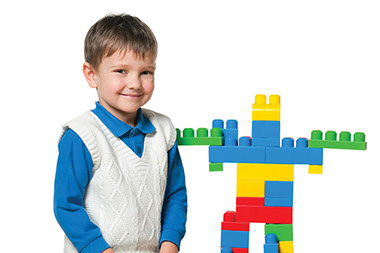
    Image of young boy playing with blocks.

    When it comes to finding toys to encourage a child’s interest in science, sometimes simpler can be better and yet more sophisticated.

    Creighton University professor of physics Dr. Gintaras Duda suggests looking at toys with a tactile, kinesthetic component that can help illustrate scientific principles while allowing a child to come up with new ways to play.

    “If you can get kids to be creative, that’s the main thing,” Dr. Duda said. “Let them sort of figure out how these things work. It’s great scientific learning. Yes, kids love to play with the iPad, but if you dump a bin of Legos out in front of them and let them go, you’ll always be surprised at what they come up with.”

    Hands-on building blocks, tower sets, and a strangely behaving substance known as kinesthetic sand, which shares certain properties with regular sand but performs differently as it’s being molded, have all captured children’s attention and imagination.

    © American Institute for Preventive Medicine

  • No Family Dinner? Other Options To Try

    FAMILY LIFE

    Image of laughing family as dad feeds daughter a piece of fruit.

    Today’s families are busier than ever. Parents’ jobs, kids’ activities, social events, and homework seem to leave little time for anything else.

    Research shows that sitting down as a family for dinner is good for everyone at the table. The Family Dinner Project says sharing a family meal is good for the brains and health of all family members. But some families simply can’t make this happen every night. So what should you do? Don’t give up on finding time for each other. There are other options for family bonding that don’t need to happen at the dinner hour.

    *Consider breakfast.If everyone is home in the morning, why not take a few extra minutes to enjoy a family breakfast? It can get everyone off on the right foot.

    *Try weekend lunches.If dinner only happens once or twice a week, weekend lunches can be a great choice too. A picnic outside in the warmer months makes for a fun change of pace.

    *Think about your schedule.If you can’t get everyone together for a meal at least twice a week, consider rearranging activities or saying “no” to some commitments. The benefits of family meals together are worth the effort.

    © American Institute for Preventive Medicine

  • Summer With Less Screens

    FAMILY LIFE

    Image of grandparents playing basketball with grandkids.

    When the kids are home from school for the summer, it can be hard to avoid technology. Kids (and adults) are used to constant entertainment from the television, computer, smartphones and tablets. But, reducing screen time can have many benefits for families:

    *  Boredom is a great way for kids to learn to be creative. If they’re always entertained by a screen, kids don’t have a chance to be bored and to learn how to entertain themselves.

    *  Sitting in front of a screen means time not spent getting exercise.

    *  Some studies suggest that too much screen time can lead to behavior problems, lack of good thinking skills, and sleep problems.

    It’s not always realistic to avoid screens completely. If you can’t, look for ways to limit screen time. Try these tips:

    *  Choose certain times of day to be screen-free. For instance, you can choose to let kids have 30 minutes of screens after lunch, but morning is for screen-free play.

    *  Watch the clock. Decide on a daily limit of screen time, such as two hours, and stick with it. Consistent rules help kids know what they can expect each day, so there is less complaining.

    *  Visit the library. If you can get kids to read books they like, they won’t miss screens as much.

    *  When you do watch TV, watch shows together as a family. Choose educational shows when possible.

    Have a plan

    A family media plan can help you stay on track with screen time. Create yours atwww.healthychildren.org/English/media.

    © American Institute for Preventive Medicine
  • What Our Aging Parents Fear Most

    FAMILY LIFE

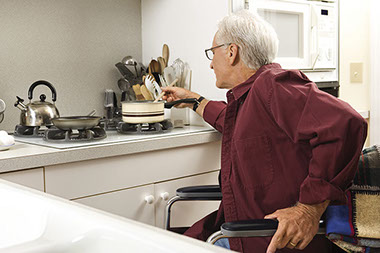
    Image of eldery man in wheel chair cooking at his stove.

    Seniors fear moving into a nursing home and losing their independence more than death, according to a new research study, Aging in Place in America, commissioned by Clarity and  The EAR Foundation.

    The study looked at the attitudes and anxieties of the nation’s elderly. The children of seniors also fear for their parents, with particular concern about their emotional and physical well-being should they have to enter a nursing home.

    One of the most significant findings of the study is that, when asked what they fear most, seniors rated loss of independence (26%) and moving out of their homes into a nursing home (13%) as their greatest fears. These two possibilities are a much higher concern than death, which was the greatest fear for only 3% of seniors surveyed.

    Other key findings include these:

    *  Most seniors want to age in place. That means they want to grow older without having to move from their homes. More than half are concerned about their ability to do so.

    *  Seniors cited three primary concerns that could jeopardize their ability to live independently: health problems, memory problems and inability to drive or get around.

    *  Many seniors said they are open to or would like to use new technologies that enable independence. More than half would consider the use of technology in their homes-specifically, sensors-to monitor their health and safety.

    *  Most Baby Boomers fear their parents will be mistreated in a nursing home and fear they will be sad. Almost two-thirds of Boomers provide some kind of help or support for their aging parents.

    “These findings tell us that, above all else, older Americans value their ability to live independently,” said Peter Bell, president of National Aging in Place Council. “As a society, we must find ways to help our parents and grandparents live their latter years at home.”

    © American Institute for Preventive Medicine

  • Bullying: How To Take Action

    FAMILY LIFE

    Image of kids wispering and pointing towards a classmate whose head is down.

    Bullying can be hard to address, especially if it’s happening to your child. Knowing how to deal with bullying can help you support your child and stay calm about it. This is important because bullying can happen more than once.

    Dealing with bullying in the right way can help you (and your child) put a stop to it. If your child is being bullied, take the following steps:

    *  Talk to your child about what happened. Without interrupting or giving your opinion, let your child openly talk about what was said or done in the bullying situation. Be sure you understand the whole story. Support them as they talk by telling them you want to help, and by keeping your actions as calm as possible.

    *  Tell the child that bullying is not their fault. No one deserves to be bullied.

    *  When giving advice, use clear examples. Role playing can be very helpful in teaching a child what to do. Never tell them to fight back or use violence. This doesn’t help the situation and can get your child in trouble or hurt.

    *  Ask your child how you can help them feel safe again. Try not to single him or her out by making changes in their routine, such as switching classes or buses. Instead, try taking other steps, such as changing seating arrangements in school or on the bus.

    *  Talk with the school or organization. State your concerns and ask them how they feel it can be addressed. Remember that the school staff cannot “discipline” other kids. Even if you want to, avoid talking with the bullying child’s parents. School officials can talk with them and be a neutral moderator.

    *  Consider getting professional support for your child. Sometimes a school counselor or mental health expert can help a child who has been bullied.

    Bullying should never be ignored. Kids who are bullied may be at higher risk for health problems like:

    *  Depression

    *  Anxiety

    *  Sleep problems

    *  Loss of interest in activities

    Their grades may also suffer. Kids who are bullied are more likely to miss school or drop out.

    Source: Stopbullying.gov

    © American Institute for Preventive Medicine